To organize a dresser, sort your clothes, use simple zones, fold well, and keep daily items easy to reach.
A tidy dresser can save time, protect your clothes, and make your room feel calmer. After organizing many small clothing spaces, I have found that the best system is not the fanciest one. It is a simple setup that matches your daily habits and stays easy to maintain. This guide explains how to organize dresser drawers step by step, with practical tips for small spaces, deep drawers, children’s clothing, and long-term upkeep.
Why organizing your dresser matters
A messy dresser often starts with one small problem: clothes do not have a clear home. When items are mixed together, you may forget what you own, overfill the drawers, or pull everything out to find one shirt.
Learning how to organize dresser drawers creates order and reduces daily stress. It also helps you see which clothes you wear, which items need repair, and which pieces no longer fit your life.
An organized dresser can help you:
• Find clothing faster
• Use every drawer more effectively
• Prevent wrinkles and damage
• Keep clean clothes separate from worn items
• Reduce unnecessary shopping
• Make laundry easier to put away
The goal is not to make every drawer look perfect. The goal is to make your routine smoother. Think of your dresser as a small filing system. Each drawer should have a clear purpose, just like each folder on a computer.
Before you organize your dresser
Take a few minutes to prepare before folding or buying storage bins. Rushing into the process can lead to a neat-looking dresser that does not work well.
Choose a clean surface for sorting. Your bed or floor can work, but use a laundry basket or empty box for items that do not belong in the dresser.
You may also want:
• Small drawer dividers
• Fabric storage bins
• Labels or removable tape
• A laundry basket
• A donation bag
• A lint roller
• A cloth for wiping drawers
Do not buy organizers first. Measure the inside of each drawer and decide what you need to store. Many people buy dividers that are too large, too short, or hard to adjust.
Before you begin, ask yourself:
• Which clothes do I wear every week?
• Which items belong on hangers?
• Which clothes need to be stored elsewhere?
• Which drawers are easiest for me to reach?
• Do I prefer folded stacks, rows, or rolled clothing?
This planning step is a key part of how to organize dresser storage. A useful system should fit your body, your room, and your habits.
:max_bytes(150000):strip_icc()/organize-clothes-in-drawer-GettyImages-1694789594-2293f072928542799a7a398972f9e6f6.jpg)
Step 1: Empty every dresser drawer
The easiest way to organize a dresser is to start with empty drawers. Take everything out, even items that seem tidy. This gives you a clear view of how much clothing you have.
Place clothing in small groups rather than one large pile. For example, make groups for shirts, pants, underwear, socks, sleepwear, workout clothes, and seasonal items.
As you sort, check each piece for:
• Stains
• Tears
• Missing buttons
• Poor fit
• Worn elastic
• Items you never choose
Create four simple piles:
- Keep and wear often
2. Keep but wear less often
-
Repair or clean
-
Donate, recycle, or discard
Be honest but kind to yourself. Clothes connected to memories can be hard to release. You do not need to remove everything that is not worn every week. However, if an item has not been worn in a year and has no special purpose, it may deserve a new home.
In my own organizing work, the biggest mistake I see is keeping “maybe” clothes in the easiest drawer space. A better choice is to place uncertain items in a separate box. If you do not reach for them after a set period, you can review them again.
Step 2: Clean and inspect the dresser
Once the drawers are empty, wipe the inside with a soft, slightly damp cloth. Remove dust, lint, and crumbs. Let the drawers dry fully before adding clothing.
Check the drawer tracks and handles. If a drawer sticks, avoid overloading it. A heavy drawer can become difficult to open and may damage the furniture over time.
Inspect the dresser for signs of moisture, mold, or pests. If you notice a strong musty smell or visible mold, remove the clothing and address the issue before storing clean items again. Do not cover mold with fragrance or liners.
Drawer liners can protect some surfaces, but they are not always needed. Avoid thick, scented liners that may trap moisture or transfer odor to clothing.
This cleaning step may seem small, but it makes how to organize dresser storage more effective. Clean drawers help clothing stay fresh and make future maintenance easier.
:strip_icc()/dresser-organization-ideas-4-mika-perry-c1d4bba24875421297a56625dace90fd.png)
Step 3: Group clothes by category
Sort clothing by type before deciding where it will go. Categories make it easier to find things and easier to put them away later.
Common dresser categories include:
• Underwear
• Bras and undershirts
• Socks
• T-shirts
• Tank tops
• Pajamas
• Workout clothing
• Leggings
• Shorts
• Sweaters
• Accessories
Keep similar items together. Do not mix socks with shirts simply because one drawer has extra space. A clear category reduces searching and prevents drawers from becoming mixed piles.
You can also group clothes by use. For example, keep work shirts together, casual shirts together, and workout tops together. The best method depends on your routine.
If you get dressed for work early each morning, placing work basics in the top drawers may help. If you exercise after work, keeping workout clothes near the front can make that habit easier.

Step 4: Assign a purpose to each drawer
Give every drawer one main job. This is one of the most important rules in how to organize dresser drawers.
A simple layout may look like this:
• Top drawer: underwear, bras, and socks
• Second drawer: everyday shirts
• Third drawer: pajamas and workout clothes
• Fourth drawer: shorts, leggings, or casual pants
• Bottom drawer: sweaters and seasonal items
Your layout may be different. Consider height, reach, and frequency of use. Place daily items in the easiest drawers to reach. Store bulky or seasonal clothing in lower drawers.
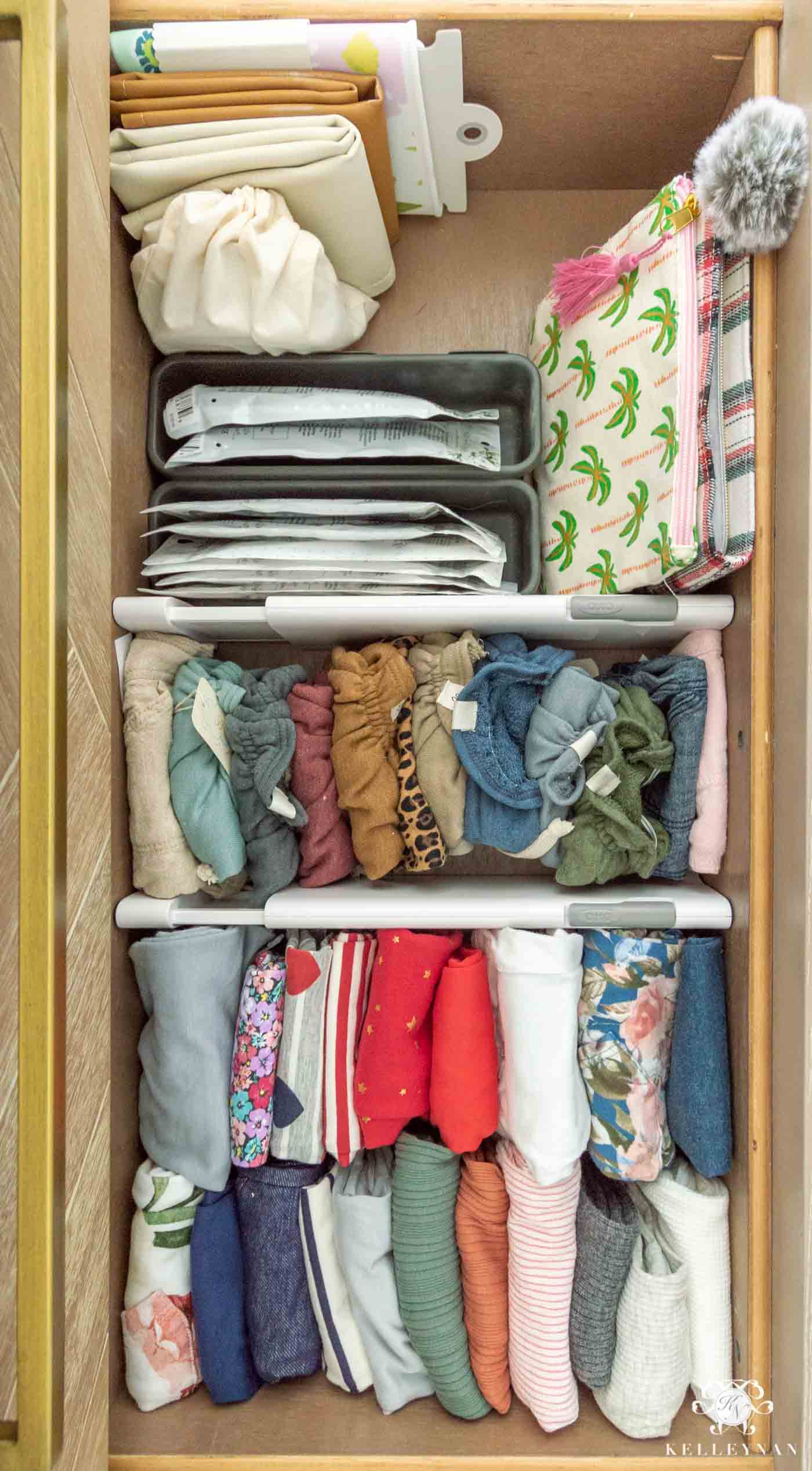
Avoid placing too many categories in one drawer. If you must combine items, use separate bins or dividers to create small zones.
For a child’s dresser, use fewer categories. Children often do better with simple labels such as shirts, pants, pajamas, and socks. A system that a child can understand is more likely to stay organized.
For a shared dresser, assign each person specific drawers. Mixing two people’s clothing in one space usually creates confusion.
Step 5: Choose the best folding method
There is no single correct way to fold clothes. The best method is the one that lets you see and remove one item without disturbing the rest.
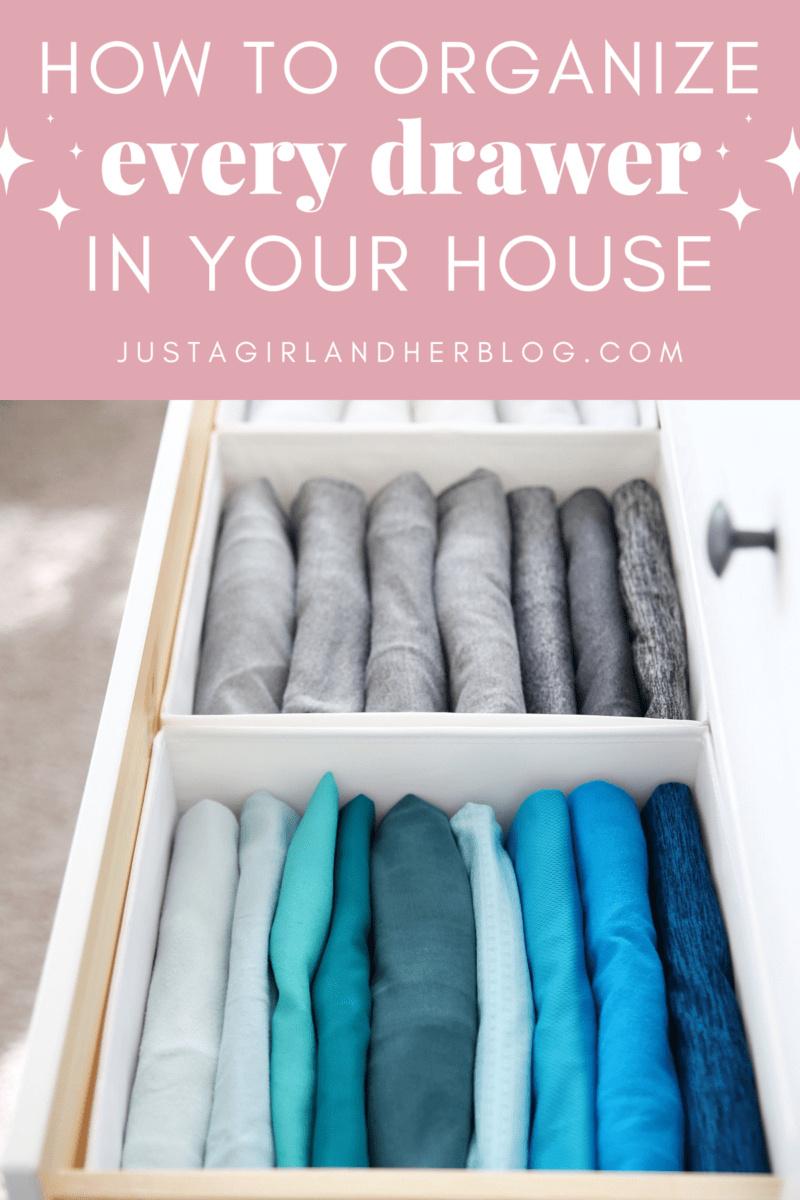
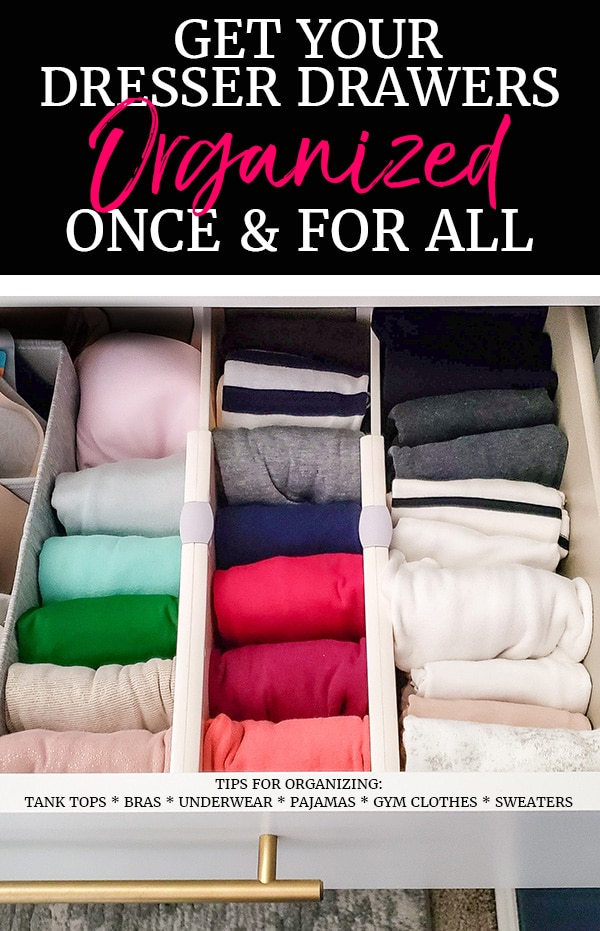
For most dresser drawers, vertical folding works well. Fold each item into a small rectangle and place it upright in rows. This method lets you see several pieces at once.
Try these methods:
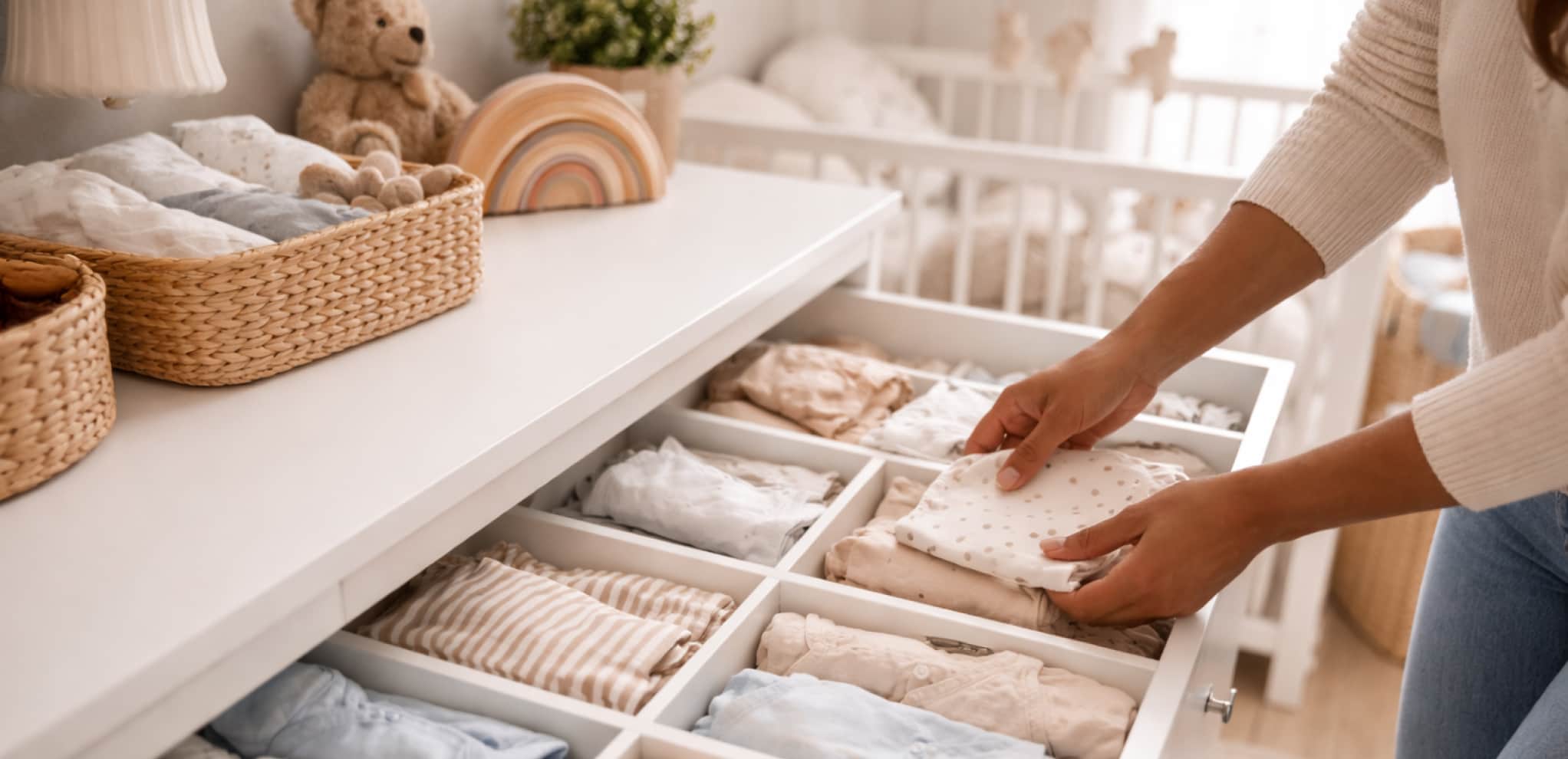
• Vertical folding: Best for T-shirts, leggings, pajamas, and baby clothes
• Small rolls: Useful for socks, workout clothes, and travel items
• Flat stacks: Helpful for bulky sweaters or items that wrinkle easily
• File folding: Places clothing upright like folders in a file cabinet
Avoid packing clothes tightly. Full drawers make it hard to remove one item and can create wrinkles. Leave a small amount of space so clothing can move without being crushed.
For delicate fabrics, follow the care label. Some clothing should be folded rather than hung because hanging may stretch the shoulders. Other items, such as structured jackets or easily wrinkled garments, may be better on hangers.
Step 6: Use dividers and bins wisely
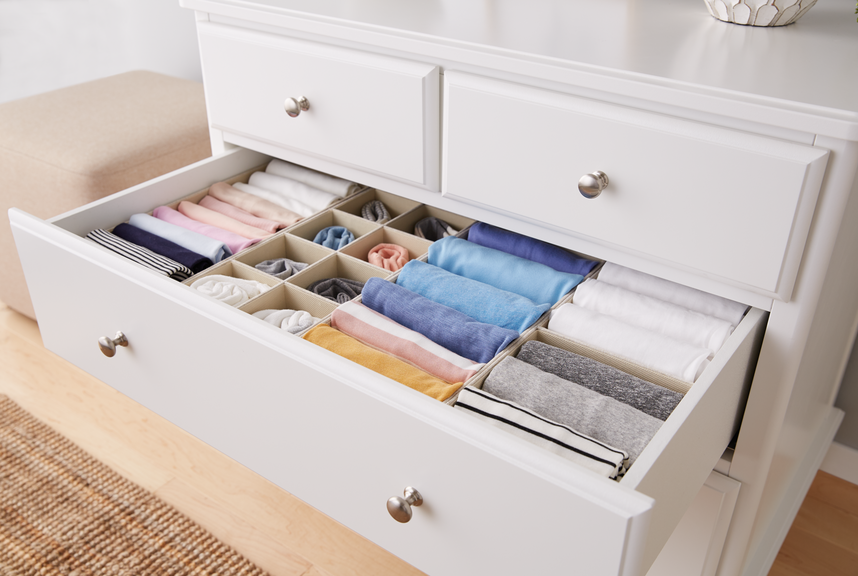
Drawer dividers can keep small items from spreading across the drawer. They work especially well for underwear, socks, ties, belts, and accessories.
Choose dividers that:
• Fit the drawer depth
• Can be adjusted
• Have smooth edges
• Are easy to remove
• Do not take up too much space
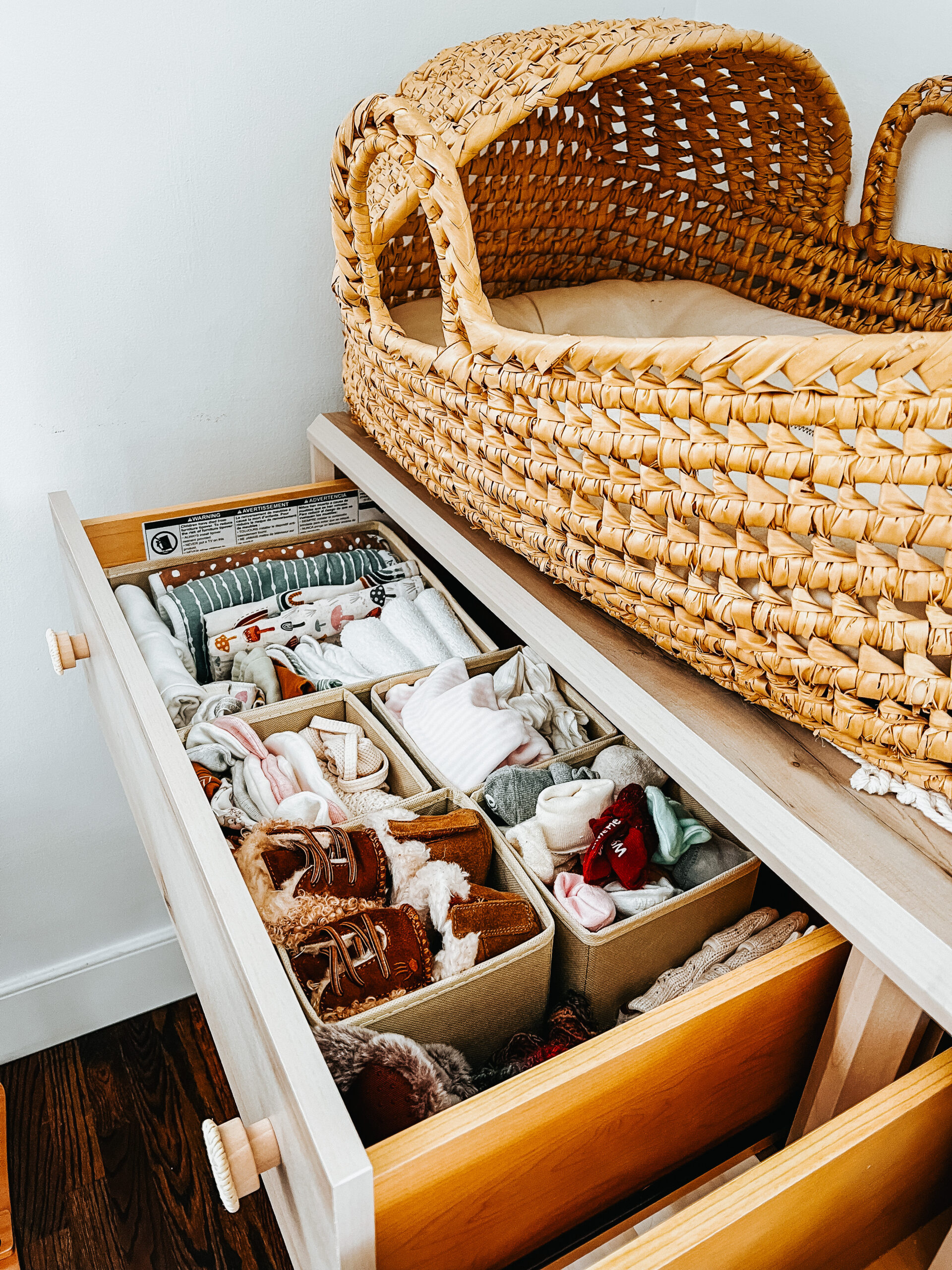
Small fabric bins can create useful zones inside deep drawers. For example, one bin can hold socks while another holds underwear. This keeps small items upright and prevents them from getting buried.
Do not fill every inch with containers. Too many organizers can reduce usable space and make laundry harder to put away. Storage tools should support the system, not become another source of clutter.
If you are learning how to organize dresser drawers on a budget, use items you already have. Small boxes, clean shoe boxes, or sturdy containers can work as temporary dividers. Cover sharp edges before using cardboard boxes with delicate clothing.
How to organize a dresser with deep drawers
Deep drawers offer plenty of space, but they can hide clothing under large piles. The solution is to create layers or sections.
Place folded clothing upright rather than stacking it high. If upright folding does not work for bulky items, use shallow bins inside the drawer.
Good choices for deep drawers include:
• Sweaters in one bin
• Jeans in another section
• Seasonal clothes at the back
• Small items in separate containers
Keep the items you use most near the front. Avoid placing daily underwear or socks behind bulky clothing.
You can also use drawer organizers with long compartments. These help divide the depth of the drawer and make each group easier to reach.
A common mistake is using deep drawers as a general storage box. This makes the dresser look full but hides what you own. Every section should have a clear purpose.
How to organize a small dresser
A small dresser needs strict limits. Since space is tight, focus on the clothing you wear most often.
Start by removing items that belong in a closet, under-bed container, or storage bin. Bulky coats, formal clothing, and rarely used accessories may not need dresser space.
Use these small-space strategies:
• Store one category per drawer when possible
• Fold clothing into vertical rows
• Use slim dividers
• Keep seasonal items elsewhere
• Limit duplicate basics
• Place bulky items on shelves or in a closet
You can also use the top of the dresser carefully. A small tray may hold watches, jewelry, or daily items. Avoid turning the top into a second storage pile.
If your dresser is very small, organize by routine instead of clothing type. One drawer might hold morning clothes, while another holds sleepwear and undergarments. This can be more useful than a strict category system.
How to organize dresser drawers for children
Children’s clothing needs a simple system. Young children may not sort items by fabric or style, but they can understand basic categories.
Try this layout:
• Top drawer: underwear and socks
• Second drawer: shirts
• Third drawer: pants and shorts
• Bottom drawer: pajamas
Use picture labels for young children who cannot read yet. A small shirt, sock, or moon picture can show what belongs in each drawer.
Keep clothing at a child-friendly height when possible. This encourages independence and makes it easier for children to put away laundry.
Do not overfill the drawers. Children may pull everything out when clothing is packed too tightly. Leave room so they can choose one item without creating a large mess.
Every few months, check the fit of children’s clothing. Kids grow quickly, and outgrown pieces can take up valuable space.
How to organize dresser tops
The top of a dresser should remain useful, not become a catch-all area. Keep only items you use often or items that help you get ready.
Useful dresser-top items may include:
• A small tray for jewelry
• A lamp
• A clock
• A mirror
• A container for daily skincare
• A small plant, if the room has enough light
Create a home for mail, receipts, and loose objects somewhere else. A dresser top can become cluttered quickly because it is often near the bedroom entrance.
Leave some open space. Clear space makes the entire room feel calmer and gives you room to fold laundry.
Avoid placing heavy objects near the front edge, especially if children or pets use the room. Secure tall mirrors and other heavy items according to safety guidance.
How to keep your dresser organized
Knowing how to organize dresser drawers is useful, but maintenance keeps the system working. Spend a few minutes each week returning clothes to their assigned zones.
Use this simple routine:
-
Put clean laundry away as soon as possible.
-
Return worn but clean items to the correct drawer.
-
Remove clothing that does not belong.
-
Refold messy sections instead of waiting for a full disaster.
-
Review one drawer each month.
The “one-minute reset” can help. Before leaving the room, return loose items to their homes. This small habit prevents clutter from spreading.
Do not demand perfect folding every day. A practical system can handle rushed mornings and busy laundry days. If a drawer becomes messy, adjust the system instead of blaming yourself.
In my experience, the most lasting dresser systems are easy to reset. If putting one shirt away takes several steps, people often stop using the system. Keep the process simple.
Mistakes to avoid when organizing a dresser
Some organizing methods look attractive but fail in daily use. Avoid these common problems.
• Keeping too many clothes: More clothing requires more space and makes each category harder to manage.
• Using oversized stacks: Tall stacks fall over and hide lower items.
• Buying too many containers: Containers can take away space if they do not fit the drawer.
• Ignoring laundry habits: A system should match how you wash, fold, and put away clothing.
• Storing worn clothes with clean clothes: Use a hamper, hook, or separate basket for items that need washing.
• Placing daily items in hard-to-reach drawers: Convenience matters more than appearance.
• Folding every fabric the same way: Delicate, bulky, and stretchy items may need different care.
• Forgetting seasonal changes: Rotate clothing when the weather changes to reduce crowding.
The most important lesson is to organize for real life. A dresser is not a showroom. It should support your mornings, laundry routine, and available space.
When to use a closet or other storage
A dresser is not the right home for every item. Use a closet for clothing that wrinkles easily or needs more room.
Consider hanging:
• Dresses
• Blazers
• Button-down shirts
• Formal pants
• Coats
• Clothing made from delicate or structured fabric
Use under-bed storage or labeled bins for:
• Seasonal clothing
• Special-event outfits
• Extra blankets
• Sentimental clothing
• Rarely used accessories
Do not store damp clothing in drawers. Moisture can create odors and may contribute to mold growth. Clothing should be clean and fully dry before it goes into long-term storage.
If you have limited storage, prioritize clothing by frequency of use. Daily basics deserve the easiest access. Special items can go in less convenient places.
Frequently Asked Questions About How to Organize Dresser
What is the best way to organize a dresser?
The best method is to sort clothing by category, assign each drawer a purpose, and place daily items in easy-to-reach spaces. Use vertical folding or small dividers so you can see clothing without emptying the drawer.
Should clothes be rolled or folded in a dresser?
Both methods can work. Rolling saves space for soft items such as workout clothes and socks, while folding is often better for shirts, sweaters, and clothing that wrinkles easily.
How do you organize a dresser with limited space?
Keep only clothing you wear and move seasonal or bulky items to another storage area. Use slim dividers, vertical folding, and clear drawer categories to make a small dresser more useful.
How often should you reorganize your dresser?
A quick reset once a week can keep drawers tidy. Review each drawer every few months, especially after seasonal changes or when your clothing size, work routine, or lifestyle changes.
How do you keep a dresser organized after laundry day?
Assign every clothing type to a specific drawer and put items away as soon as they are dry. If a drawer becomes difficult to use, remove a few items or change the folding method.
Should underwear and socks go in the same drawer?
They can share a drawer if you use separate sections or small bins. Keeping them in their own zones makes both items easier to find and prevents the drawer from becoming mixed.
How do you organize a dresser without buying anything?
Reuse small boxes, shoe boxes, or containers you already have as dividers. The main improvement comes from sorting, removing excess clothing, and giving each drawer a clear purpose.
Conclusion
A well-organized dresser starts with less clutter and a simple plan. Empty the drawers, sort clothes by category, assign each drawer a job, choose a practical folding method, and keep daily items within easy reach.
The best system is one you can maintain during busy weeks. Start with one drawer today, then build from there. Once you see how much easier it is to find and store clothing, continue refining the rest of the dresser and share your favorite organizing tip with someone who could use it.