Sort, declutter, group items, add dividers, label drawers, and keep a weekly tidy routine.
I have organised dozens of dressers for clients and my own home, so I know what works and what fails. This guide walks you through exactly how to organise your dresser step by step, with hands-on tips, common mistakes, and simple routines you can keep. Read on to learn methods that actually stick, and pick the system that fits your space and habits.
:max_bytes(150000):strip_icc()/easy-tips-to-organize-your-dresser-2648392-02-c6b8d77c59cf4b3a8dfd9d38c98d2ac2.jpg)
Why organise your dresser matters
A well-organised dresser saves time, reduces stress, and keeps clothes in better shape. When you know where things live, getting dressed is faster and mornings feel calmer. I’ve seen clients go from drawer chaos to calm in a single afternoon, and the boost in daily ease is immediate.
Organising a dresser also protects garments. Neat folding prevents stretching and damage. If you want your favorite pieces to last, learning how to organise your dresser is one of the best small habits to build.
:strip_icc()/dresser-organization-ideas-4-mika-perry-c1d4bba24875421297a56625dace90fd.png)
Step-by-step plan: how to organise your dresser
Follow this clear plan to transform a messy dresser into a calm, efficient space. Each step is practical and easy to repeat.
- Empty and sort everything. Take all items out. Make piles: keep, mend, donate, toss. This first sweep gives you a clear view of what you truly own.
- Clean the drawers. Wipe surfaces. Add drawer liners if you want traction and protection.
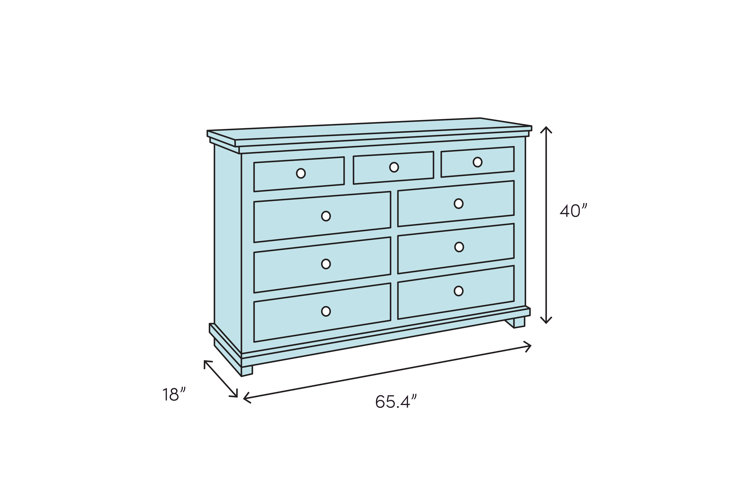
- Measure the space. Note drawer depth and height. Knowing measurements helps you pick dividers and bins that fit.
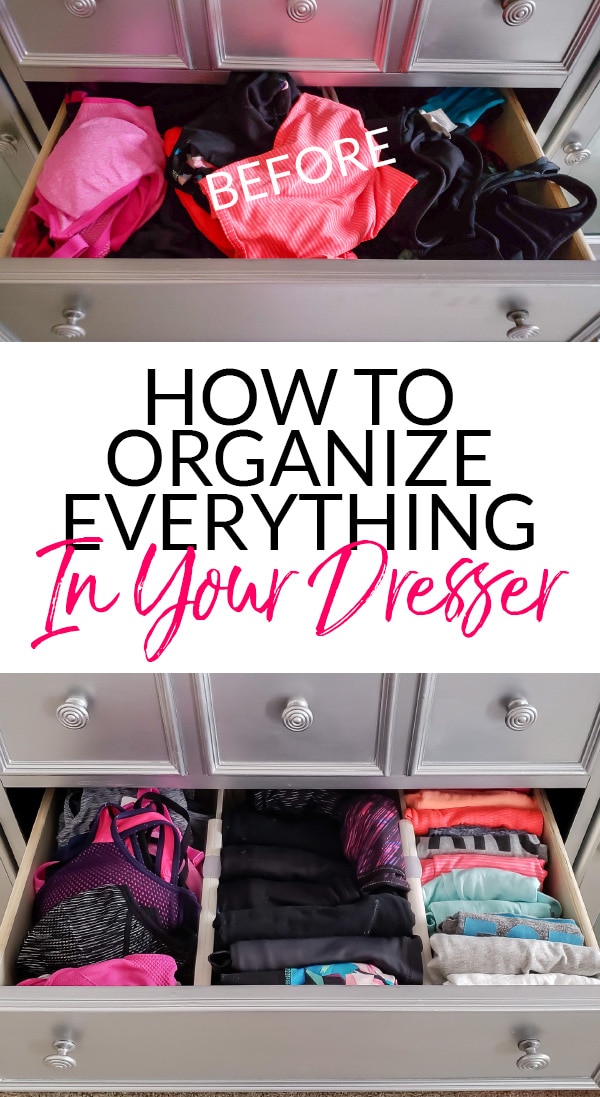
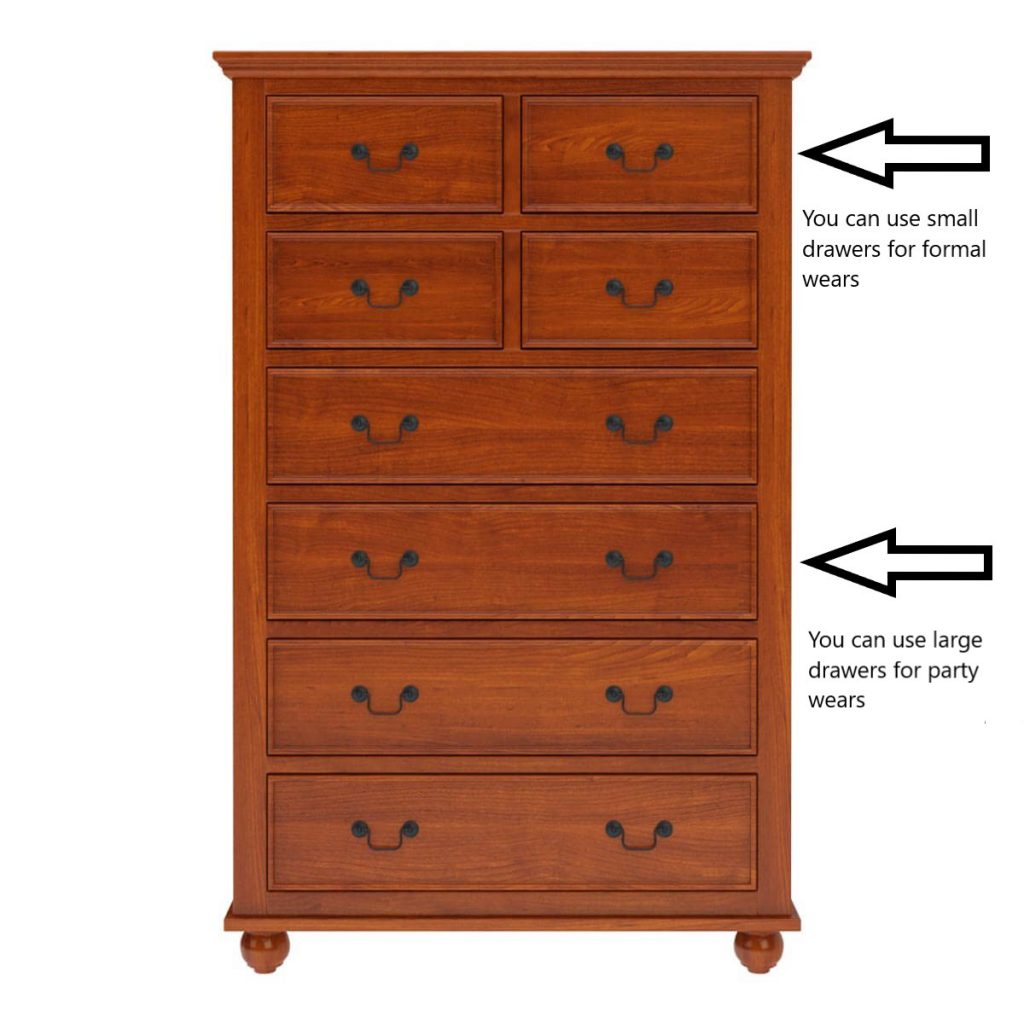
- Create categories. Group by type: underwear, socks, tees, workout clothes, pajamas, accessories. Keep similar items together.
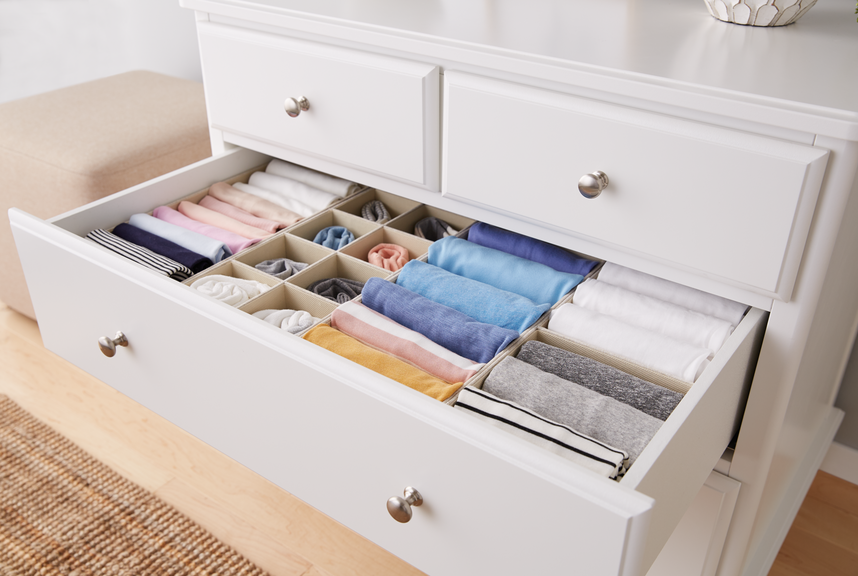
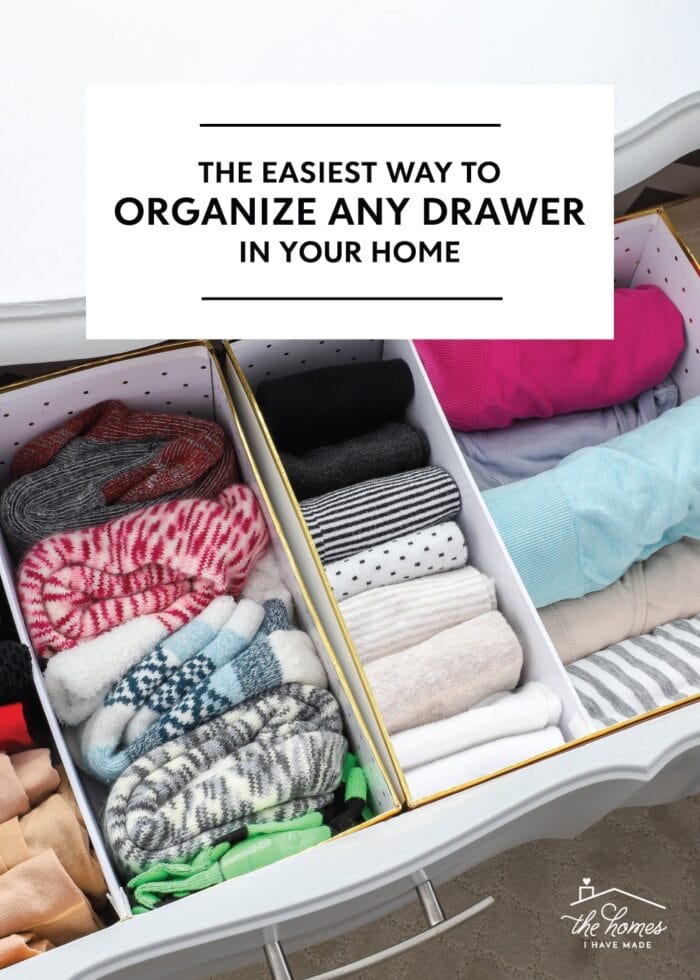
- Fold or roll for visibility. Use folding methods that suit the drawer height. Try neat stacks for tees and rolled socks for small spaces.
- Add dividers and bins. Use simple inserts to keep categories separate. Dividers make it easy to return items to the right spot.
- Label if needed. Small labels help family members learn the system. Use discreet tags or a label maker.
- Replace only what fits. Avoid shoving things back in. If a drawer overflows, rethink the clothing or storage solution.
I often sort one dresser in the morning and finish the set within a weekend. The key is short, focused sessions. These steps will teach you how to organise your dresser in a way that stays manageable.

Drawer-by-drawer methods for different items
Different items need different handling. Use the right method for each drawer.
- Underwear and socks
- Fold underwear flat or use small trays. Store socks rolled or paired and placed vertically for quick grabs.
- Keep pairs together and toss single socks if they never find partners.
- T-shirts and casual tops
- Fold to show the front edge or roll to save height. Stack vertically to see every shirt at once.
- Reserve one drawer for frequently worn tees and a separate one for seasonal shirts.
- Sweaters and knitwear
* Fold flat and store with breathing room. Avoid heavy stacks that press shapes out of knitwear.- Use a deeper drawer if possible to avoid wrinkles.
- Workout clothes and leggings
- Group by activity. Keep bras, leggings, and shorts together in an "active" drawer.
- Replace damp items right away to avoid odors.
- Pajamas and loungewear
- Keep soft fabrics together in a drawer near the bedroom. This is a low-stress drawer—easy access matters most.
- Accessories and small items
- Use small trays or dividers for belts, scarves, and jewelry. Keep a small box for frequently used items like watches or daily jewelry.
From experience, keeping like with like makes mornings simple. When you learn how to organise your dresser drawer-by-drawer, you save energy and reduce decision fatigue.
Storage solutions and accessories that work
Picking the right tools matters. The right accessory turns a drawer into a tidy system.
- Drawer dividers
- Adjustable dividers let you change layout. They are cheap and effective.
- Small bins and trays
- Use shallow bins for socks and underwear. Clear bins help you see contents fast.
- Shelf inserts and risers
- For wide drawers, risers create two layers. This doubles usable space.
- Labels and tags
- Simple labels guide everyone in the household. Use removable labels for flexibility.
- Specialty hangers and hooks
- For small closets near dressers, add hooks for items you rotate often like robes or scarves.
- Vacuum bags for seasonal storage
- Store seasonal items compressed to free drawer space. Keep them labeled and out of daily reach.
I tested several dividers and found simple adjustable panels to be the most versatile. Spend on what you’ll use often. Upgrading one accessory changed my daily routine more than buying many low-quality items.
Maintenance routine and seasonal refresh
A good system needs small habits to last. Short, regular upkeep prevents future overwhelm.
- Weekly quick tidy
- Spend five minutes refolding or returning stray items. Small effort keeps drawers neat.
- Monthly small purge
- Remove things that don’t fit or haven’t been worn in a month. Toss or donate promptly.
- Seasonal swap
- Every three months, rotate seasonal clothes. Use vacuum bags for off-season items.
- Mending box
- Keep a tiny pouch for buttons and loose threads. Fix small issues before they grow.
I keep a 10-minute clean on Sundays. That tiny habit saved me hours later. Learning how to organise your dresser is only half the job—keeping it neat is the other half.
Common mistakes to avoid
Avoid these traps that undo your progress.
- Overfilling drawers
- Crammed drawers hide items and make retrieval hard. If a drawer overflows, move items elsewhere.
- Skipping measurement
- Buying dividers that don’t fit wastes time. Measure before purchase.
- Ignoring categories
- Mixing too many types in one drawer creates clutter. Keep categories simple and clear.
- Not adapting the system
- Your needs change. Update the layout when wardrobe habits shift.
- Forgetting daily habits
- A great setup fails without small habits. Make returns and weekly tidies non-negotiable.
From my mistakes, the worst is overfilling. That one step ruined months of progress until I fixed it. Be honest when a drawer needs less stuff.
Frequently Asked Questions of how to organise your dresser
How often should I tidy my dresser?
Tidy small messes weekly and do a bigger purge monthly. Seasonal swaps should happen every few months.
What’s the best way to fold T‑shirts for drawers?
Fold to a size that fits your drawer height and stack vertically for visibility. Rolling saves space but stacks can be neater.
How do I stop drawers from smelling musty?
Keep items dry and air out drawers before storing seasonal clothes. Use small sachets or charcoal pouches for moisture control.
Should I use dividers or individual bins?
Both work; dividers are great for flexibility while bins are best for tiny items. Choose what fits your drawer and habits.
How do I manage a shared dresser with a partner?
Assign drawers or sections to each person and label if needed. Agree on a simple system and check in monthly.
What if I have more clothes than space?
Be ruthless with duplicates and items you don’t wear. Consider off-site storage for sentimental pieces or swap to seasonal storage.
Conclusion
A calm, usable dresser comes from clear choices, the right tools, and small habits. Start by decluttering, measure your drawers, group items, add dividers, and keep a short weekly tidy. If you apply these steps, you will master how to organise your dresser and enjoy smoother mornings and longer-lasting clothes.
Take one drawer this weekend. Try the steps above and note what changes for you. If you found these tips useful, leave a comment, share your before-and-after, or subscribe for more practical home guides.