Keep things simple: sort by size, use dividers, label drawers, and rotate items by need.
I have organized dozens of baby dressers for new parents. This guide on how to organize newborn dresser shows clear steps, smart tools, and friendly tips you can use today. I write from hands-on experience and practical know-how. Read on for a simple, proven plan to make diaper changes and outfit picks fast, safe, and even a little joyful.
Start with a plan and a purge
Before you move anything, make a short plan. Decide where diapers, clothes, and gear will live. Empty the dresser and sort every item into piles: keep, donate, store, toss. This step makes the task simple. A clear plan saves time and stress when you learn how to organize newborn dresser.
Use small boxes or bins to hold each pile. Fold clothes one size at a time. Keep newborn and 0-3 month items close at hand. Place outgrown clothes in a storage box and label it. This keeps the dresser tidy and ready for use.
Choose the right drawer layout
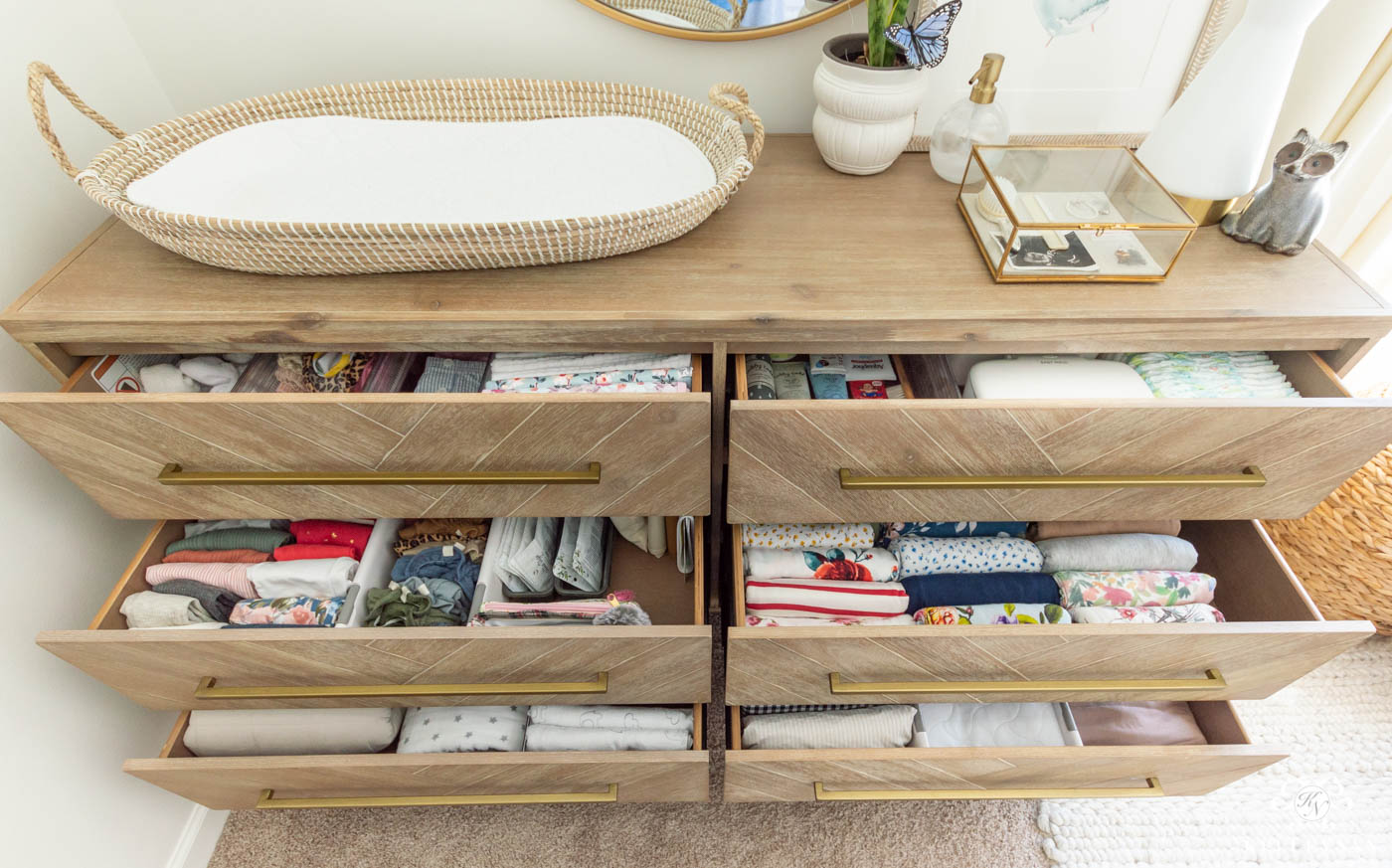
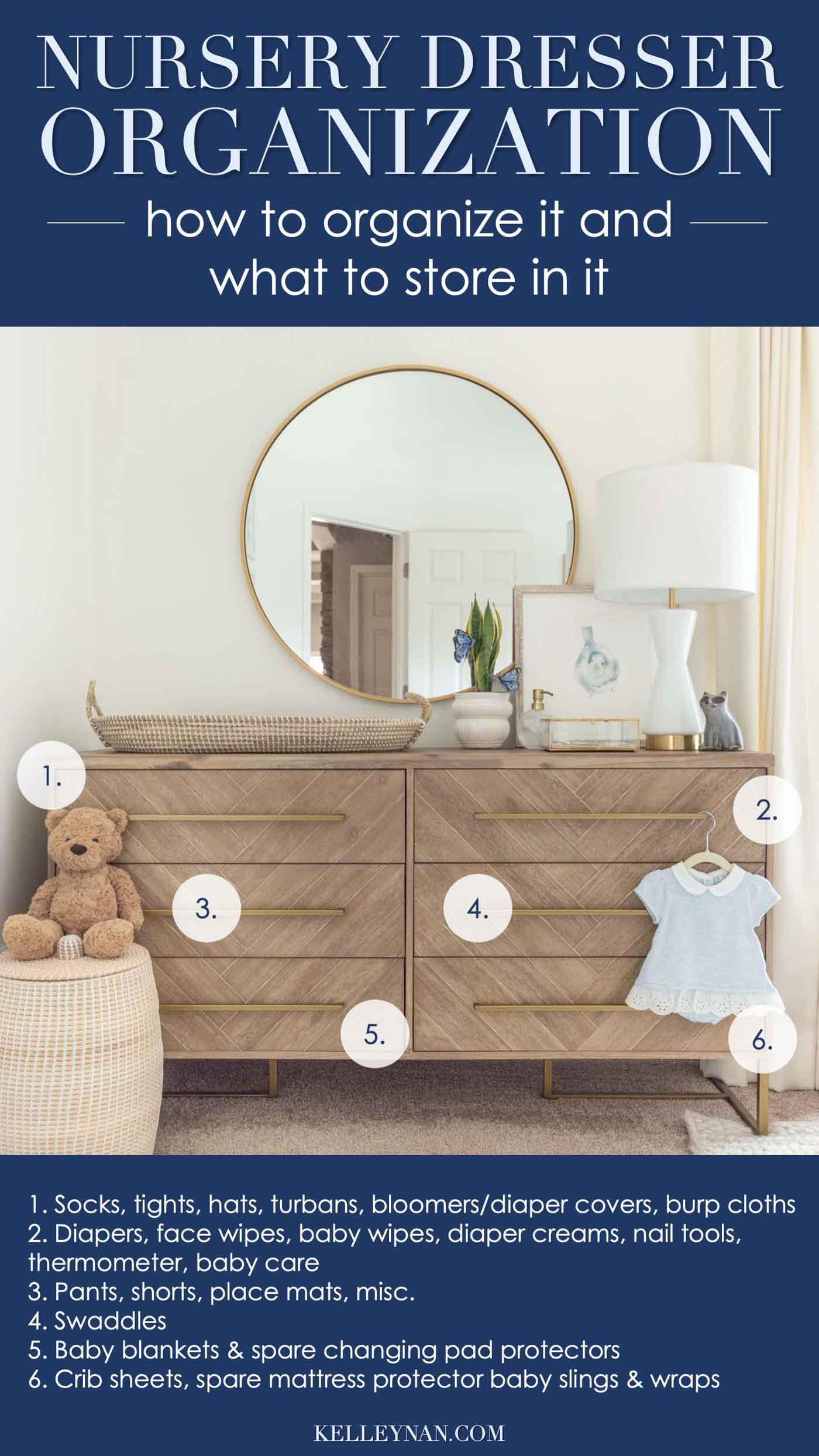
A smart layout beats clutter. I use a consistent order for every dresser. Top drawer holds daily basics. Middle drawers hold clothes by size. Bottom drawers hold bulky items and extras. That order makes it easy to find things.
Suggested layout when learning how to organize newborn dresser:
- Top drawer: diapers, wipes, creams, and two outfit options.
- Second drawer: onesies and bodysuits for newborn size.
- Third drawer: sleepers and pajamas for current size.
- Fourth drawer: hats, socks, mittens, and swaddles.
- Bottom drawer: extra bedding, burp cloths, and out-of-season items.
:max_bytes(150000):strip_icc()/David_Casas_6-162fb7582ad4471b90a81f5f8a212d63.jpeg)
Use drawer dividers and small bins
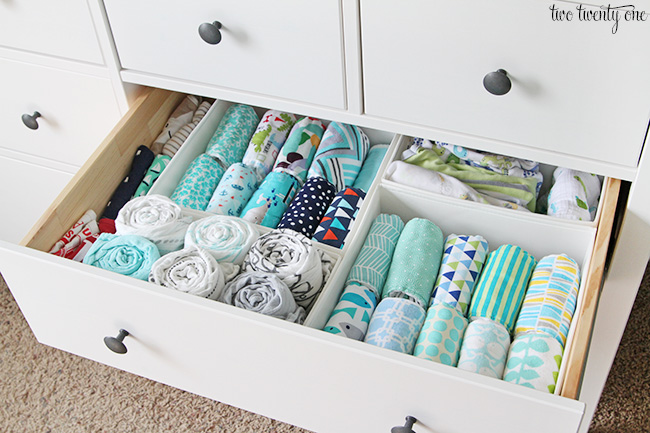
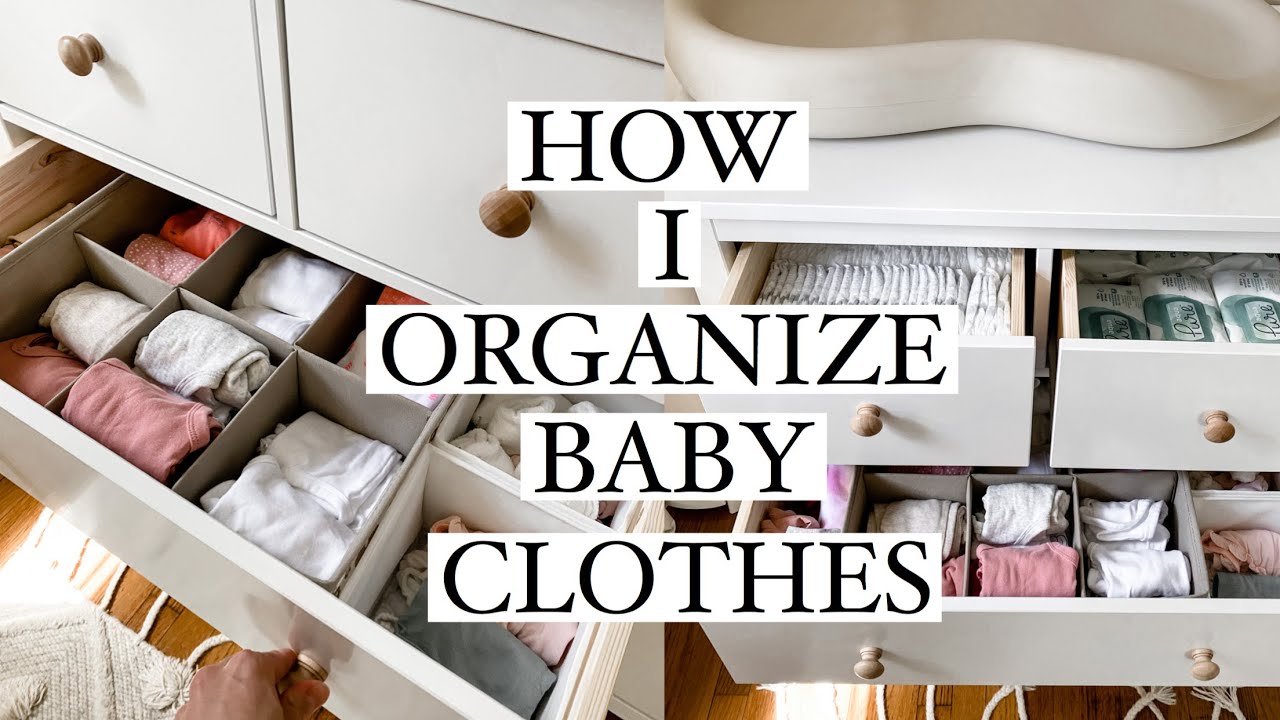
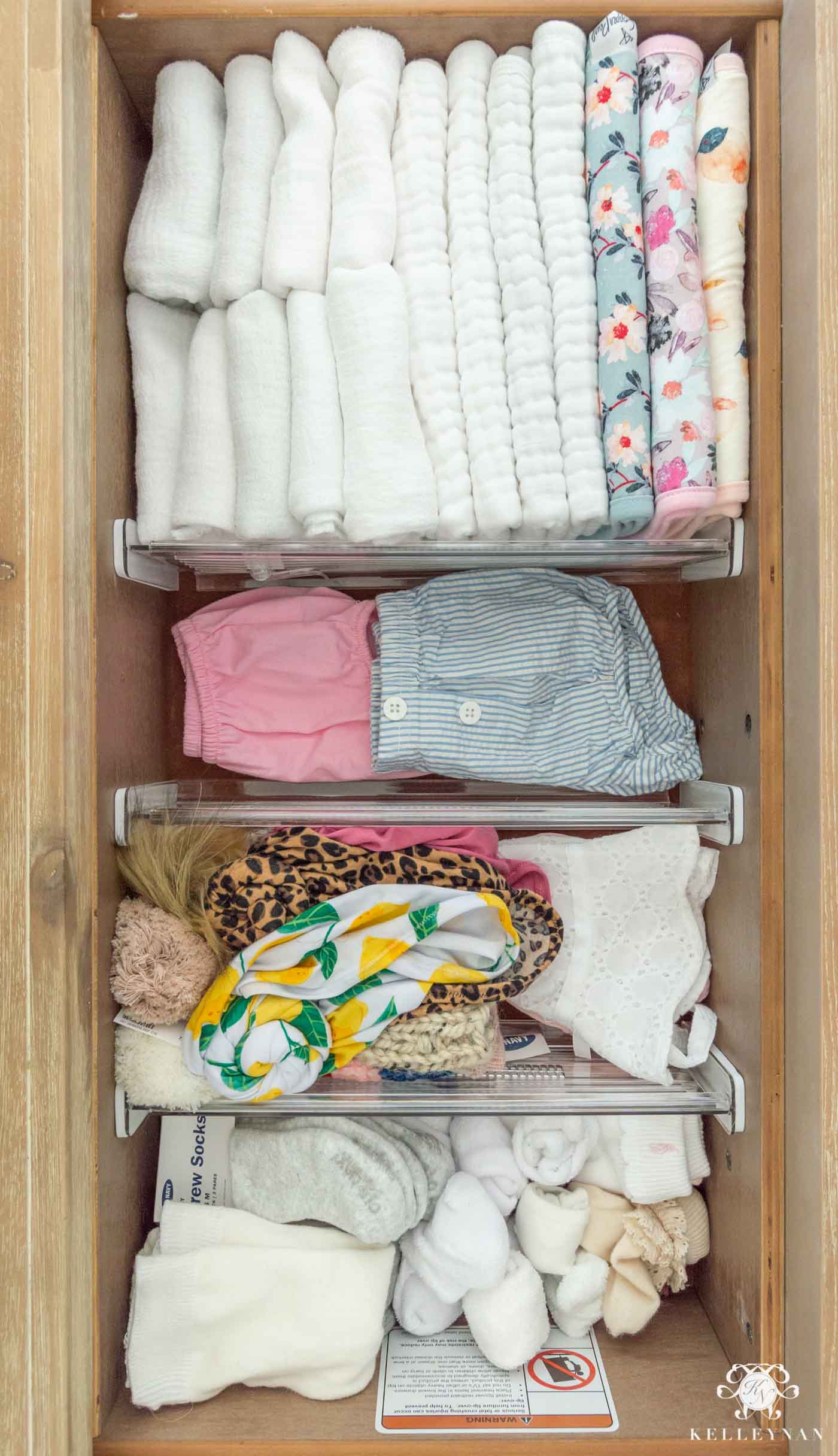
Dividers keep small things from mixing. I like fabric dividers and small bins. They are soft and fit snugly. Use one bin per item type. This helps when you need to find socks or mittens fast.
Benefits when you follow tips on how to organize newborn dresser:
- Keeps pairs together and easy to spot.
- Makes quick swaps when baby grows.
- Prevents the top drawer from becoming a black hole.
Fold smart: space-saving methods
How you fold matters. Roll or file-fold to save space. File-fold lets you see items at a glance. Roll small items like socks and hats. Put larger items flat to avoid wrinkles.
Simple folding steps to teach you how to organize newborn dresser:
- Fold onesies into thirds and stand them up.
- Stack sleepers flat in one pile.
- Use small boxes for socks and mittens.

Organize by size and season
Label and group by size. Keep the current size in front. Store next size behind it. Rotate as your baby grows. Seasonal rotation prevents a drawer full of warm clothes in summer.
How to organize newborn dresser for growth:
- Mark each drawer with size labels.
- Keep a small bin for "next size" items.
- Once a week, check if items still fit.

Create a diaper-change station
Make quick changes easy. Keep diapers, wipes, cream, and a change of clothes in the top drawer near the changing pad. This cut seconds off each change. A tidy diaper station is a key part of how to organize newborn dresser well.
Add a small tray for used items like sample creams. Keep a small bag for on-the-go needs. Consistency here lowers stress at 2 a.m.

Safety and care tips
Safety comes first. Avoid heavy items on the top of a dresser. Anchor the dresser to the wall. Keep small choking hazards out of reach. Wash newborn clothes with a gentle detergent before they are worn.
When you think about how to organize newborn dresser, include safety checks:
- Test drawer stops to prevent tipping.
- Use soft-close hardware if possible.
- Keep cords and ties away from baby reach.
Maintain it with a simple routine
Small habits keep the dresser working. Do a five-minute tidy each week. Fold any laundry and swap out next-size items once a month. Toss stained or stretched items immediately.
Routine steps for how to organize newborn dresser:
- Weekly: fold and replace used clothes.
- Monthly: rotate sizes and check labels.
- Every three months: purge and donate what won’t be used.
My personal tips and mistakes I made
I once piled everything into the top drawer. It looked tidy until midnight. Then I could not find sleepers. I learned to label and to keep two outfit options within reach. I also learned that clear bins save time. These small tries and fixes shaped my approach to how to organize newborn dresser. They will save you time and stress too.
A few practical tips from real life:
- Keep one “emergency outfit” in the diaper bag.
- Use clear bins so you can see at a glance.
- Keep a small laundry hamper next to the changing area.
Best items to buy for organizing
A few small buys make a big difference. Look for soft dividers, clear bins, drawer liners, and labels. Choose washable bins. Pick neutral colors for a calm look. These items help when you implement how to organize newborn dresser.
Suggested shopping list:
- Fabric or plastic drawer dividers.
- Small clear bins or baskets.
- Label maker or pre-printed labels.
- Gentle drawer liners to protect clothes.
Troubleshooting common problems
If drawers get messy fast, you may need more dividers. If clothes are hard to reach, rearrange by frequency. If you keep forgetting items, add a checklist near the changing area.
Quick fixes for how to organize newborn dresser:
- Add one extra bin if a drawer overflows.
- Move frequently used items to the top drawer.
- Trim down clothes if the dresser feels full.
Frequently Asked Questions of how to organize newborn dresser
How should I arrange clothes in a newborn dresser?
Arrange by size and use. Keep the current size and daily wear in the top drawers. Store next sizes and seasonal items lower down.
How many drawers should I dedicate to clothes?
Two to four drawers usually work. One for daily wear, one for sleepwear, one for accessories, and one for extras or storage.
What is the best folding method for small baby clothes?
File-folding is best. Stand items upright so you can see each piece. This saves space and time for quick picks.
How do I keep socks and mittens from getting lost?
Use a small bin or divider for socks and mittens. Pair them when you fold and put them in the same section each time.
How often should I purge and rotate sizes?
Purge every three months. Rotate sizes monthly. Do a quick weekly tidy to stay organized.
Conclusion
You can make daily life easier with a calm, smart dresser. Start with a plan, sort by size, use dividers, and build small routines. These steps will keep clothes visible, safe, and ready when you need them. Try one change tonight and see how it helps. Share your experience or ask a question below to get more tailored tips.