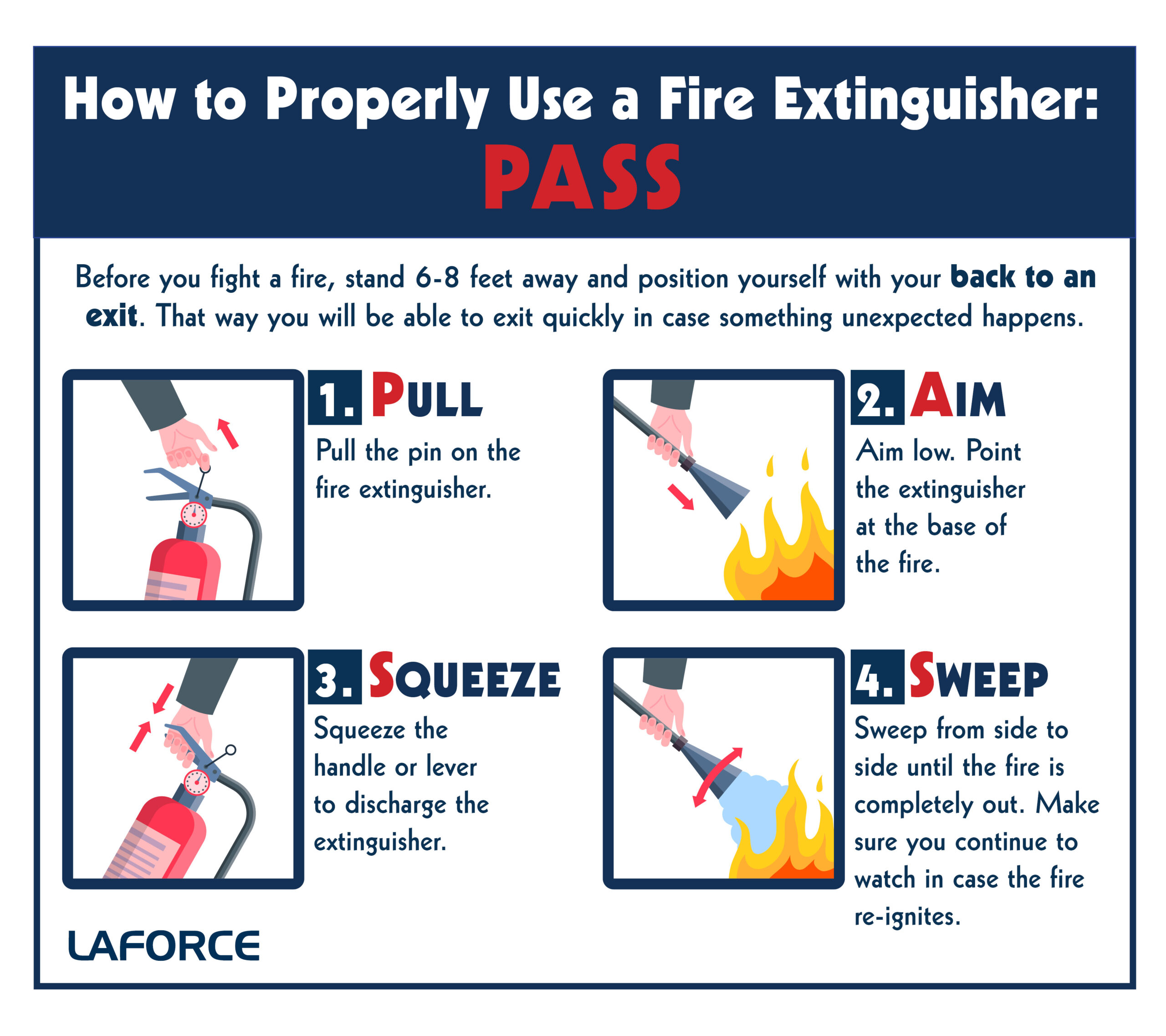
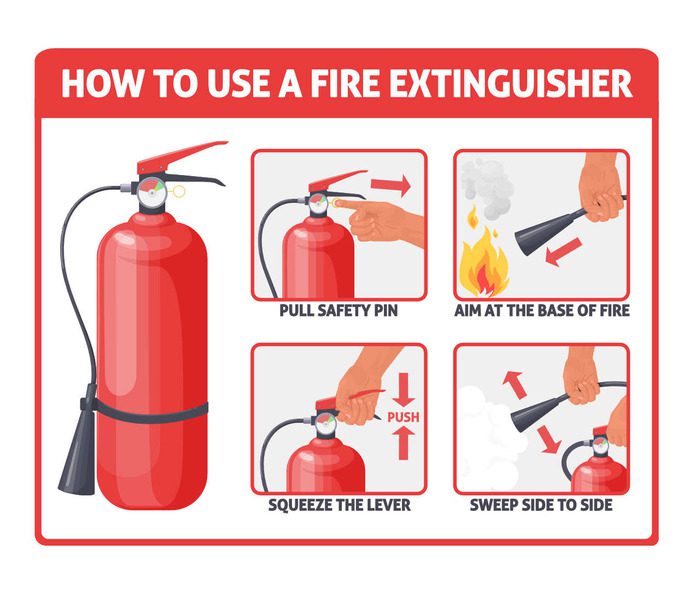
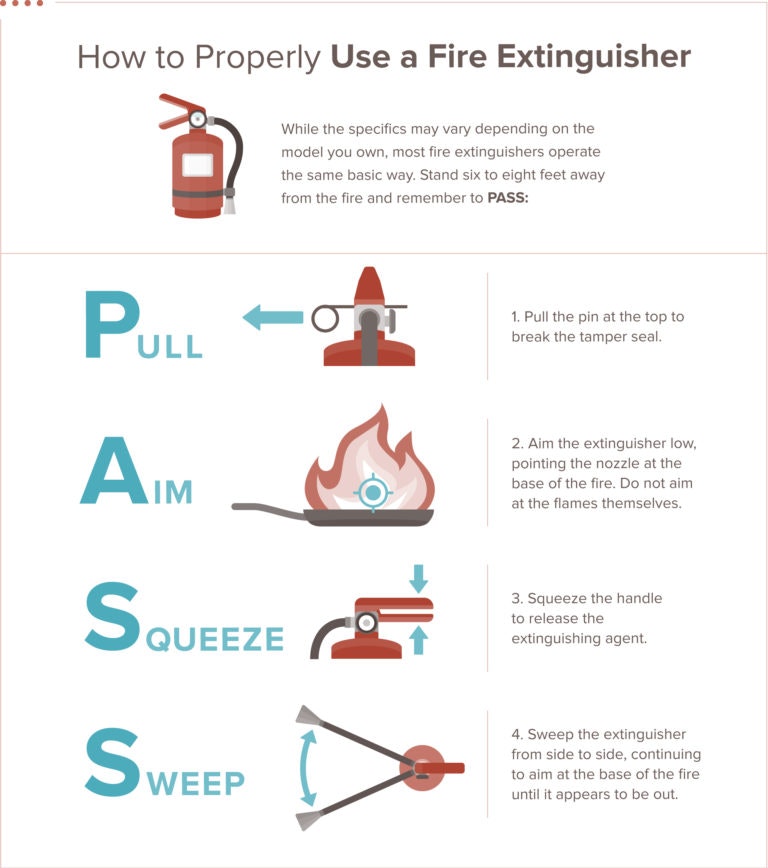
Use P.A.S.S.: Pull the pin, Aim low, Squeeze the lever, Sweep side to side.
I have spent years training people and testing equipment, so I know how to properly use a fire extinguisher. This guide explains step by step how to properly use a fire extinguisher, when to act, what type to pick, and how to stay safe. Read on to learn clear, tested advice you can use at home or work.
Why you should learn how to properly use a fire extinguisher
Knowing how to properly use a fire extinguisher can stop a small fire fast. Fires grow quickly. A small, timely action can prevent injury and major damage. Learning the right steps builds calm and confidence in an emergency.

Types of fire extinguishers and how they relate to use
Different extinguishers fight different fires. Pick the right type before you ever need it.
- ABC multipurpose dry chemical: Works on most home fires like paper, wood, cloth, grease, and electrical.
- Class B foam or CO2: Good for liquid and gas fires and for some electrical sources.
- Class K: Made for kitchen grease and oil fires.
- Water: Only for ordinary combustibles, never for grease or electrical fires.
Match the label to the fire type. If you use the wrong type, the fire can spread or cause shocks. Store the right extinguisher where you can reach it quickly.

Step-by-step: how to properly use a fire extinguisher
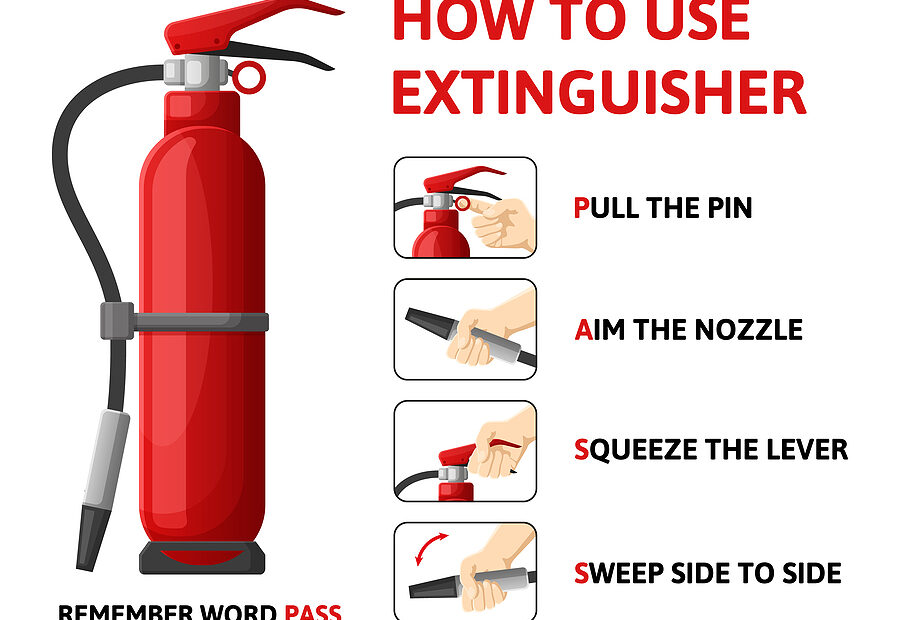
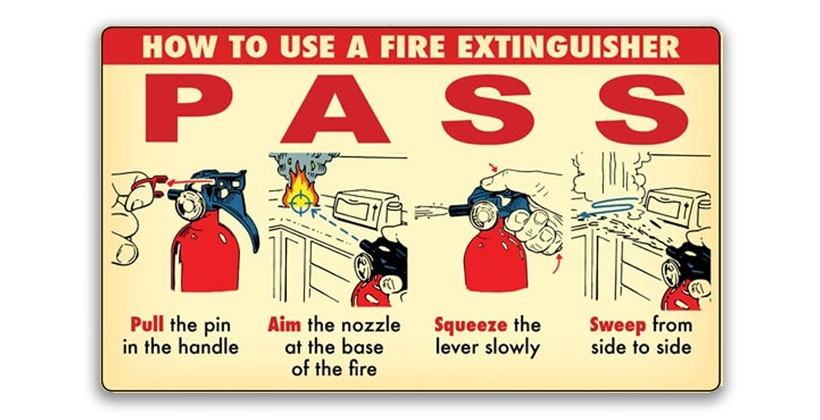
Follow a simple method. The P.A.S.S. technique is easy to remember and works well.
- Pull the pin. Hold the extinguisher with the nozzle pointed away from you.
- Aim low. Point the nozzle at the base of the fire, not at the flames.
- Squeeze the lever slowly to release the agent. Keep a firm grip.
- Sweep from side to side. Move the nozzle slowly across the fire base until it is out.
Keep a safe distance. Move closer only if the fire shrinks. If the fire reignites, back away and call for help. Practicing the steps helps you act fast during real events.
When to fight a fire and when to evacuate
Not every fire should be fought. Use judgment and stay safe.
- Small and contained: Fight only if you have the right extinguisher and a clear exit.
- Large, spreading, or producing heavy smoke: Evacuate immediately and call emergency services.
- Chemical or unknown fuel: Do not try to fight it. Evacuate and inform responders.
If you feel unsafe at any time, leave. Your life is worth more than property. Teach family and coworkers the escape plan too.
Maintenance and inspection for how to properly use a fire extinguisher
A good extinguisher must be ready when needed. Weekly quick checks and annual inspections keep them reliable.
- Check the pressure gauge monthly to ensure it is in the green zone.
- Inspect the cylinder for dents, rust, or signs of damage.
- Ensure the nozzle is clear and the safety pin is intact.
- Replace or recharge after any use, even a small one.
- Have a professional perform a full service at recommended intervals.
Label your inspections with date and initials. A tested extinguisher increases the chance you can use it safely and effectively.
Common mistakes and safety tips for how to properly use a fire extinguisher
Avoid these errors when you learn how to properly use a fire extinguisher.
- Using the wrong type on a grease or electrical fire: This can make things worse.
- Standing too close: Keep a safe distance and move in as the fire cools.
- Not having a clear exit: Always keep your back to an escape route.
- Forgetting to call emergency services: Even small fires can rekindle. Call them early.
- Trying to fight a fire while alone and untrained: Wait for help if you are unsure.
Practice in a safe setting to build muscle memory. Short drills make a real event feel less scary.
Personal experience: real-use lessons
Years ago I faced a small kitchen fire at a training site. We used the correct Class K extinguisher and stopped the fire in under a minute. The trainee pulled the pin quickly, aimed low, and swept. The quick action kept the burn small and taught everyone calm.
From that day I learned these lessons. Keep the right extinguisher near the stove. Teach kids to get out and call for help. Replace and check units after any use. These simple habits work.
Training, laws, and additional recommendations
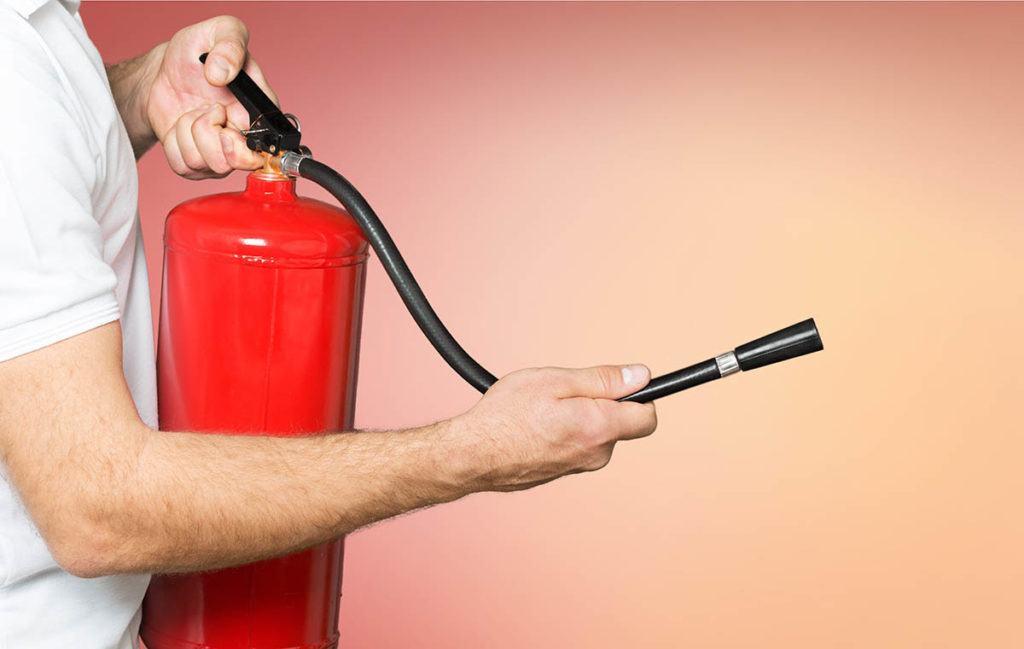
Train regularly. Local rules often require training for workplaces. A short, hands-on session is best.
- Take a basic fire safety course with a live demo if you can.
- Review local codes to know extinguisher types and placement rules.
- Post an evacuation plan and mark extinguisher locations clearly.
Drills and clear signs save time and lives. If you manage a building, document training and inspections.
Frequently Asked Questions of how to properly use a fire extinguisher
What is the safest way to use a fire extinguisher?
Use the P.A.S.S. method: Pull the pin, Aim at the base, Squeeze the lever, Sweep side to side. Always keep a clear exit route and call emergency services.
Can I use a kitchen extinguisher on an electrical fire?
Only use an extinguisher rated for electrical fires, such as a CO2 or an ABC type. Never use water on an electrical or grease fire.
How far should I stand from the fire when using an extinguisher?
Stand several feet back, usually 6 to 10 feet, and move closer only if the flame shrinks. Keep your exit clear at all times.
How often should I inspect my fire extinguisher?
Check the extinguisher visually every month and have a professional service it at least once a year. Recharge or replace after any use.
Is training really necessary to learn how to properly use a fire extinguisher?
Yes. Hands-on training builds confidence and ensures you know how to aim and sweep effectively. A short drill can make a big difference.
Conclusion
Learning how to properly use a fire extinguisher gives you a tool to stop small fires safely. Know the right type, follow P.A.S.S., inspect your unit, and practice with simple drills. If a fire grows or you feel unsure, evacuate and get help. Start today: check your extinguisher, sign up for a short training, and share this guide with family or coworkers. Leave a comment about your experiences or subscribe to get more safety tips.