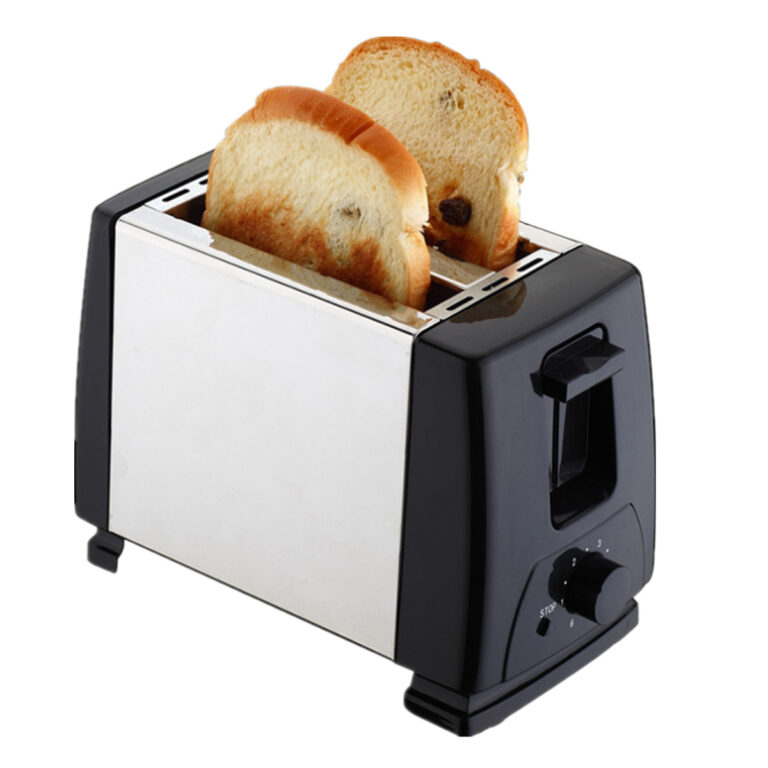
A good inexpensive toaster in the United States usually costs about $20 to $40. It should brown bread evenly, offer several shade settings, fit the bread you eat, and shut off when the cycle ends.
For most American kitchens, a two-slice toaster is the best value. Look for:
- Wide slots for bagels, Texas toast, and thick bread
- At least six browning settings
- A cancel button
- A removable crumb tray
- Automatic shutoff
- A cord and plug listed for use in the United States
- A stable base that does not slide easily
The cheapest toaster is not always the best buy. A reliable budget toaster should make even toast and remain easy to clean without adding features you may never use.

What Makes a Toaster Good for the Price?
A good budget toaster does the basic job well. It should toast both sides of the bread with a similar level of color and allow you to stop the cycle at any time.
Price alone does not show quality. A $25 toaster may work better for you than a $70 model if it fits your bread, has simple controls, and does not waste counter space.
The features that matter most
| Feature | Why it matters | Priority |
|---|---|---|
| Even browning | Prevents burnt edges and pale centers | High |
| Wide slots | Fits bagels, thick bread, and waffles | High |
| Browning control | Lets you choose light or dark toast | High |
| Cancel button | Stops heat at once | High |
| Removable crumb tray | Makes cleaning easier | High |
| Bagel setting | Toasts the cut side while warming the outer side | Medium |
| Frozen setting | Adds time for frozen bread | Medium |
| Digital display | Shows time or shade level | Low |
| Countdown timer | Useful but not needed | Low |
| Extra-long slots | Helpful for long slices of artisan bread | Depends on need |
The main trade-off is simple: budget models often provide strong basic performance but fewer controls and less refined design. That is usually acceptable if you want toast, not a countertop appliance with many modes.
The Best Inexpensive Toaster Features to Look For
Choose a toaster based on your bread, household size, and cleaning needs. Do not pay extra for a feature that does not solve a real problem in your kitchen.
Wide slots
Wide slots are one of the most useful features in a low-cost toaster. Standard sandwich bread fits most slots, but thick slices may not.
Choose wide slots if you often toast:
- Bagels
- English muffins
- Texas toast
- Thick homemade bread
- Frozen waffles
- Pastries that fit the manufacturer’s instructions
A wide slot does not mean every food is safe to toast. Follow the manual, especially with filled pastries, sugary foods, or items that may drip.
Adjustable browning control
A toaster should let you change the shade. A control with six or more settings gives you more choice than a simple light-to-dark slider with little range.
Still, the numbers are not a universal standard. A setting of “4” on one toaster may produce lighter toast than “4” on another. Use the first cycle as a test, then adjust.
Cancel function
the cancel button is more useful than many premium features. It lets you stop the heating cycle if the bread browns too fast or becomes stuck.
Do not use a knife, fork, or other metal object to remove food. The U.S. Consumer Product Safety Commission advises consumers to unplug appliances before clearing jams and to avoid inserting metal objects into toasters.
Removable crumb tray
A crumb tray catches loose crumbs and makes routine cleaning easier. Without one, crumbs collect inside the toaster and can create smoke or a burning smell.
A tray does not remove the need to clean the inside. Unplug the toaster, let it cool, and follow the cleaning directions in the manual. Never place a toaster in water.
Automatic shutoff
Automatic shutoff helps reduce risk if the toast remains in the appliance after the cycle ends. It is a basic safety feature, not a reason to leave the toaster running without supervision.
The CPSC recommends keeping toasters away from water and flammable materials. Keep the toaster clear of curtains, paper towels, cabinets that hang low, and other items that can catch heat.
Two-Slice or Four-Slice: Which Is the Better Budget Buy?
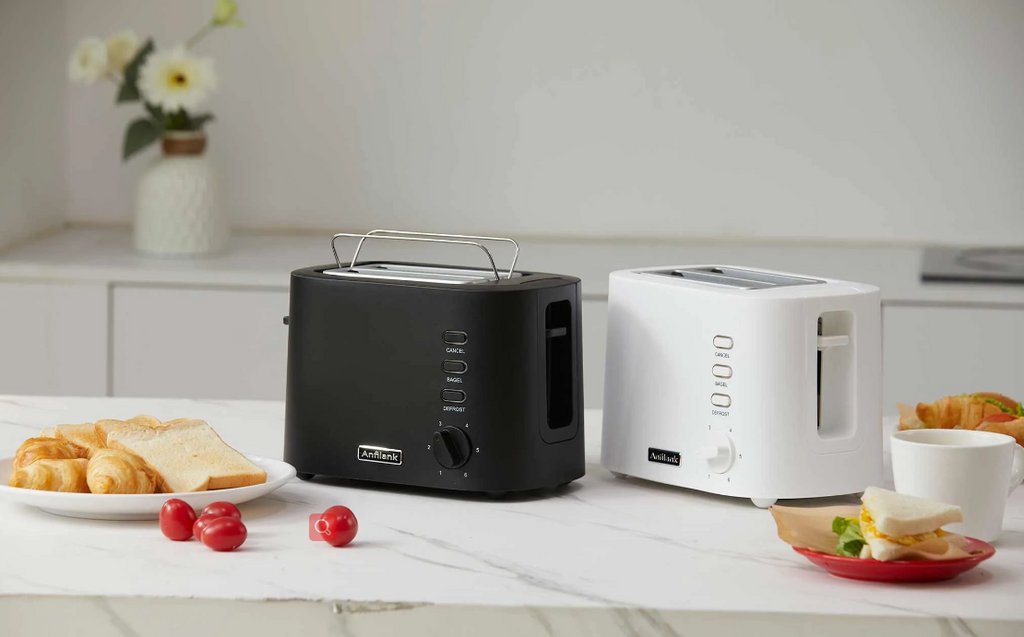
A two-slice toaster is usually the better inexpensive choice for one or two people. It costs less, takes up less space, and uses fewer heating slots at a time.
A four-slice toaster makes sense for a larger household or for people who prepare several slices at once. However, four-slice budget models can brown slices unevenly because each pair of slots may use a separate heating system.
| Household need | Better choice |
|---|---|
| One person | Two-slice toaster |
| Two people with small breakfasts | Two-slice toaster |
| Family that eats toast together | Four-slice toaster |
| Small kitchen or apartment | Two-slice toaster |
| Large slices of bread | Long-slot or wide-slot model |
| Frequent bagel use | Wide-slot toaster with bagel mode |
A four-slice model is not automatically faster. It may save time when all four slots are used, but it takes more counter space and can cost more to replace.
How Much Should You Spend on an Inexpensive Toaster?
For most U.S. shoppers, the useful budget range is about $20 to $40, before tax and shipping. Prices change by store, sales period, color, and model revision.
A practical price guide looks like this:
- Under $20: Basic controls; quality may vary more
- $20 to $40: Strong value for most homes
- $40 to $60: More finish options, longer slots, or added controls
- Over $60: Often pays for design, specialty features, or a longer warranty rather than better basic toast
Do not assume a higher price guarantees more even browning. The manufacturer may use a better build, but the product listing alone does not prove real-world performance.
Before buying, compare the total cost:
- Product price
- Shipping cost
- Sales tax
- Warranty terms
- Return policy
- Cost of replacing a damaged or poorly performing unit
A cheap toaster with a poor return policy can be a worse value than a slightly more expensive model from a retailer with easy returns.
Good Budget Toaster Types to Consider
Different toaster designs suit different American kitchens. The right type depends on what you toast most often.
Basic two-slice toaster
This is the best starting point for most buyers. It normally includes shade control, a cancel button, and a crumb tray.
Choose it when you mainly toast regular bread, English muffins, and frozen waffles. A basic model is also easier to use because it has fewer controls to confuse.
Wide-slot toaster
A wide-slot toaster is better for thick bread and bagels. Check the slot dimensions rather than relying only on the words “extra wide.”
Choose this style if your normal bread does not fit comfortably. Bread should slide in and out without being forced.
Long-slot toaster
Long slots can hold long slices of sourdough or artisan bread. Some models toast two long slices, while others divide each slot into separate sections.
Check how the slots heat the bread. A long slot may be useful, but it does not always provide more total capacity.
Four-slice toaster
This type works well for families and shared breakfasts. Look for separate controls for each pair of slots so two people can choose different browning levels.
A four-slice model may be too large for a small counter. Measure the available space before buying, including room above the toaster for bread to rise.
Toaster oven
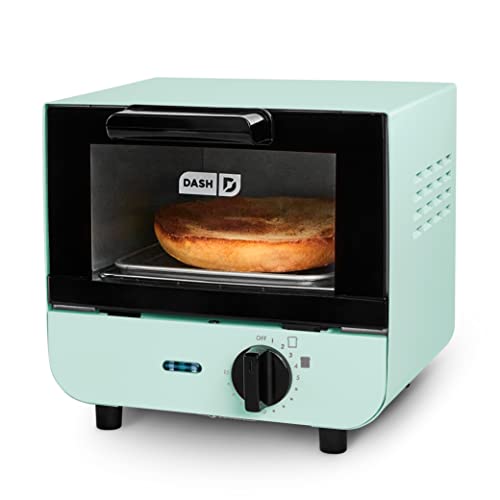
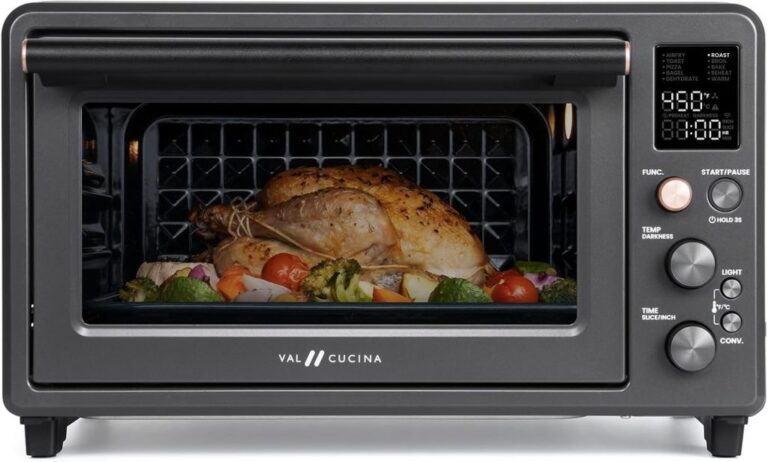
A toaster oven is not the same as a pop-up toaster. It can handle pizza, open-faced sandwiches, and small baking tasks, but it usually takes longer to toast bread.
Choose a toaster oven if you need broader cooking functions. Choose a pop-up toaster if your main goal is fast toast with a small footprint.

Budget Toaster Brands and Models to Compare
Several brands sell common low-cost toaster lines in the United States. Availability and specifications can change, so check the exact model number before purchase.
Hamilton Beach
Hamilton Beach sells many two-slice and four-slice toaster models with wide slots, bagel settings, and shade controls.
These models may suit buyers who want common features at a moderate price. Compare the exact slot width, warranty, and control layout because the brand sells several different designs.
BLACK+DECKER
BLACK+DECKER offers budget toasters with basic controls and extra-wide slot options. These can fit shoppers who want a simple appliance from a widely available brand.
Look for a removable crumb tray and a cancel button. Do not assume every model has the same slot size or heating layout.
Elite Gourmet
Elite Gourmet sells low-cost toasters in several sizes and colors. Some models focus on basic functions, while others include bagel and frozen settings.
These products may appeal to shoppers who want a low purchase price. Pay close attention to the return policy and the exact product dimensions.
How to compare a specific model
When comparing any toaster, read the product page and manual for:
- Slot width and length
- Number of shade settings
- Whether controls apply to each slot or each pair
- Cord length
- Crumb tray design
- Warranty length
- Cleaning instructions
- Electrical rating
- Dimensions and weight
A brand name is only one part of the decision. The exact model matters more than the logo on the front.
How to Test a New Toaster Safely
Test the toaster with plain bread before using expensive bread or specialty foods. This shows how quickly the appliance browns and whether the slots heat evenly.
Follow these steps:
- Place the toaster on a dry, stable, heat-resistant surface.
- Keep it away from the sink, stove burners, curtains, and paper items.
- Check the cord and plug for damage.
- Insert plain bread without forcing it into the slots.
- Start with a middle shade setting.
- Watch the first cycle.
- Adjust the setting for the next slice.
- Let the toaster cool if it produces smoke or a strong burning smell.
A small amount of odor during first use can occur with some new appliances, but repeated smoke, sparks, damaged cords, or unusual sounds are warning signs. Unplug the toaster and stop using it if these problems continue.
Never cover a toaster while it is operating. Do not toast food with loose fillings that can drip into the heating area unless the manual specifically allows it.

Common Toaster Problems and What They Mean
Many toaster problems come from crumbs, incorrect settings, or food that does not fit the slots. Start with safe checks before assuming the appliance has failed.
The toast is too dark
Lower the browning setting. Some bread browns faster because it contains sugar, milk, or other ingredients.
If one side burns while the other remains pale, the heating elements may be uneven. Clean the toaster as directed and test it again. Replace it if the problem continues.
The toast is too pale
Increase the setting one step at a time. Frozen bread may need a frozen setting or a longer cycle.
Do not run repeated cycles without checking the bread. Multiple cycles can burn the outside before the center warms.
The toaster produces smoke
Unplug the toaster and let it cool. Empty the crumb tray and remove loose crumbs according to the manual.
If smoke returns with clean, plain bread, stop using the toaster. Smoke may indicate trapped food, a failed component, or another fault.
The bread gets stuck
Press the cancel button, unplug the toaster, and wait for it to cool. Never reach into the slots while the toaster is connected to power.
Do not use metal tools to remove bread. If the bread cannot be removed safely, replace the toaster or seek help from the manufacturer.
The toaster does not stay down
Check that the toaster is plugged into a working outlet and that the lever is fully pressed. If the lever still will not stay down, the internal control may be faulty.
Do not open the toaster to repair it unless you have the required training. Small appliances can contain electrical hazards even when they appear simple.
Mistakes to Avoid When Buying a Cheap Toaster
The most common buying mistake is focusing on appearance instead of bread fit and safety. A shiny finish does not guarantee even toast.
Avoid these errors:
- Buying narrow slots when you eat thick bread
- Choosing a four-slice model without measuring the counter
- Paying for a display you will not use
- Ignoring the crumb tray
- Assuming “bagel” means every bagel size will fit
- Buying a used toaster with a damaged cord
- Trusting a high star rating without reading recent critical reviews
- Using a toaster under cabinets without enough clearance
- Placing the toaster beside water or a sink
- Leaving the appliance unattended while operating
Also check whether the return policy covers uneven browning or a defective control. Budget appliances can vary, and a simple return process protects your purchase.
Key Takeaways
- A good inexpensive toaster usually costs about $20 to $40 in the United States.
- A two-slice model is the best value for most people.
- Choose wide slots if you toast bagels, Texas toast, or thick bread.
- Prioritize even browning, shade control, cancel, automatic shutoff, and a removable crumb tray.
- Compare the exact model, not just the brand.
- Keep the toaster dry, clean, and away from flammable items.
- Unplug it before clearing a jam or cleaning crumbs.
Frequently Asked Questions
Is a $20 toaster good enough?
Yes, a $20 toaster can be good enough for basic bread and English muffins. At this price, inspect the return policy and check whether the toaster has even browning, a cancel button, and a removable crumb tray.
Are cheap toasters safe?
A low price does not automatically make a toaster unsafe. Use a model made for the U.S. market, inspect the cord and plug, keep the appliance dry, and follow the manufacturer’s instructions.
Is a two-slice toaster better than a four-slice toaster?
A two-slice toaster is usually better for one or two people because it costs less and uses less space. A four-slice model is more useful when several people toast bread at the same time.
What is the best toaster for thick bread?
A wide-slot toaster is usually the best choice for thick bread. Measure the slots when possible, because “wide slot” is not a universal size.
How often should a toaster be cleaned?
Empty the crumb tray regularly and clean loose crumbs whenever they build up. Always unplug the toaster and let it cool before cleaning. Follow the manual for any additional care.
Should I buy a toaster or a toaster oven?
Buy a toaster for quick slices of bread, bagels, and waffles. Choose a toaster oven if you also want to heat pizza, melt cheese, bake small dishes, or cook open-faced foods.
Conclusion
The best inexpensive toaster is not the one with the most buttons. It is the model that fits your bread, browns it evenly, cleans easily, and includes basic safety features.
For most U.S. homes, start with a two-slice toaster in the $20-to-$40 range. Choose wide slots, adjustable shade control, a cancel button, automatic shutoff, and a removable crumb tray. Then compare the exact dimensions, warranty, safety instructions, and return policy before buying.