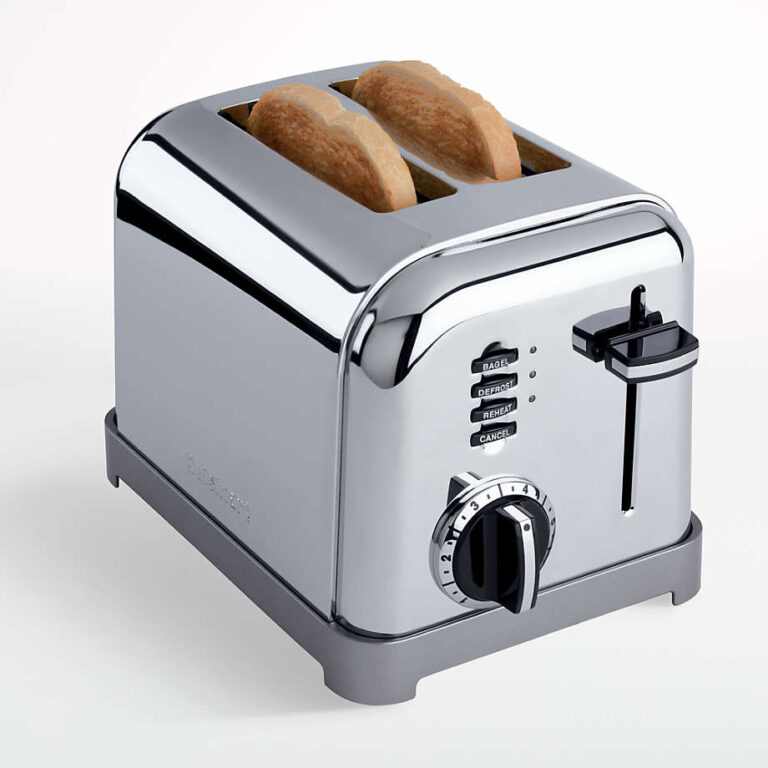
The best toaster for most U.S. homes is a four-slice toaster with separate controls, wide slots, a bagel setting, a cancel button, and a removable crumb tray. It should brown bread evenly, fit the types of bread you eat, and have simple controls that are easy to use.
For a small kitchen or one person, a good two-slice toaster may be the better choice. If you often toast bagels, thick Texas toast, frozen waffles, or homemade bread, slot width and lift height matter more than the number of settings.
There is no single best toaster for every household. The right choice depends on your counter space, bread type, breakfast routine, and budget. This guide explains the key features, useful toaster types, safety points, and popular U.S. models to consider.

Quick answer: Which toaster is best for most people?
A four-slice toaster with independent controls is the best all-around choice for many families. It lets two people toast different bread types or browning levels at the same time.
Look for these core features:
- Two or four slots, based on household size
- Wide slots of about 1.25 to 1.5 inches
- Separate controls for each pair of slots
- A bagel setting that heats the cut side more strongly
- A defrost or frozen setting
- A cancel button
- A high-lift lever for small items
- A removable crumb tray
- A cool-touch or heat-resistant outer body
- A standard U.S. 120-volt plug
A toaster with more buttons is not always better. A simple model with even heat and clear controls can outperform a feature-heavy toaster that is hard to set.
Best toaster types for different U.S. households
The best toaster type depends on what you make and how much space you have. A two-slice model saves room, while a four-slice model can reduce waiting during busy mornings.
Best for a small kitchen: two-slice toaster
A two-slice toaster suits:
- One- or two-person homes
- Small apartments
- Dorm rooms where permitted
- People who toast one or two slices at a time
- Kitchens with limited counter space
Two-slice models are often lighter and less expensive. Their main drawback is slower service when several people need toast.
Best for families: four-slice toaster
A four-slice toaster is useful when several people eat breakfast together. Many four-slice models use two separate control panels. This lets one pair toast lightly while the other pair reaches a darker setting.
A four-slice toaster also reduces repeated heating cycles. However, it takes more counter space and may use more power during each cycle.
Best for thick bread: wide-slot toaster
Choose a wide-slot toaster if you eat:
- Texas toast
- Thick sourdough
- English muffins
- Bagels
- Homemade bread
- Frozen pancakes or waffles
Check the slot size in the product manual. The phrase “extra wide” is not a standard measurement across brands.
Best for bagels: toaster with a true bagel mode
A bagel mode should heat the cut side while reducing heat on the outside. This helps toast the inside without burning the rounded crust.
The bagel setting does not make every toaster good at bagels. The slot must also be long and wide enough. A full bagel may not fit well in a narrow or shallow slot.
Best for frequent frozen foods: toaster with defrost control
A defrost setting adds thawing time before browning. This can produce more even results than placing frozen bread on a normal setting.
Still, not every frozen food belongs in a toaster. Follow the food package directions. Foods with icing, filling, or loose crumbs may be safer in a toaster oven instead.

Key features that matter most
The most useful toaster features affect heat control, bread fit, cleaning, and daily convenience. Start with these features before considering color or extra settings.
Slot width and slot length
Slot width determines whether thick bread fits without being forced. Slot length matters when you toast long slices of sourdough or artisan bread.
A toaster can have wide slots but still fail to fit long slices. If you often buy large bakery bread, look for long slots or a toaster designed for extra-long slices.
Never push food into a slot. Forcing bread can trap it near the heating elements and make removal unsafe.
Even browning
Even browning depends on heating-element placement, thermostat control, bread thickness, moisture, and slice position. A toaster may brown different breads differently even when you use the same number.
For consistent results, use the same bread brand and slice thickness when comparing settings. Start at a medium setting and adjust in small steps.
Independent controls
Independent controls are valuable on four-slice toasters. They allow different settings for each pair of slots.
This feature is less important on a two-slice toaster unless you often toast different foods in the same cycle. Look for large, clear controls that are easy to read without bending over the counter.
Bagel, frozen, and reheat settings
These settings change the heating cycle:
- Bagel: Usually focuses heat on one side.
- Frozen or defrost: Adds time for frozen bread.
- Reheat: Warms toast without adding as much browning.
- Cancel: Stops the cycle and raises the bread.
A reheat setting is useful when toast cools while you prepare eggs or coffee. It is not a substitute for careful browning control.
High-lift function
A high-lift lever raises small foods above the slot. This helps you remove English muffins, thin slices, and small pieces without placing your fingers near hot metal.
Do not use metal tongs, knives, or forks to remove stuck bread while the toaster is plugged in. Unplug the unit first and let it cool.
Crumb tray and cleaning
A removable crumb tray makes routine cleaning easier. Crumbs can collect near heating elements and may smoke or burn during later use.
The tray should slide out without tipping crumbs back into the toaster. Do not wash the toaster body in water. Follow the manufacturer’s cleaning instructions.

Toaster comparison: which features should you choose?
The table below shows how common toaster features affect real use.
| Feature | Best for | Main benefit | Trade-off |
|---|---|---|---|
| Two slots | Small homes | Uses less space | Slower for groups |
| Four slots | Families | Toasts more slices at once | Larger footprint |
| Wide slots | Thick bread and bagels | Reduces squeezing and tearing | May cost more |
| Long slots | Artisan bread | Fits longer slices | Takes more counter space |
| Independent controls | Mixed preferences | Different settings at once | More controls to learn |
| Bagel mode | Bagel eaters | Browns the cut side | Does not fix poor slot fit |
| Defrost mode | Frozen bread | Adds thawing time | Can overcook thin foods |
| High lift | Small slices | Safer removal | Adds little value if all bread is large |
| Removable tray | Frequent use | Easier crumb removal | Tray can be misplaced |
The most important combination for many buyers is wide slots, even browning, a cancel button, and a removable tray. A premium finish or digital display is less useful if the toaster browns unevenly.
Popular toaster models to consider in the United States
These models are examples of different designs and use cases. They are not ranked from best to worst, and features can change by model number or production date. Check the current manufacturer page and manual before buying.
Breville Bit More Toaster
The Breville Bit More line is known for a “Bit More” control that adds a short extra cycle. This can help when toast is slightly too light without restarting a full cycle.
It may suit people who want more control than a basic dial provides. The main trade-offs are a higher price than simple toasters and a larger, more polished design.
Verify whether the exact version is a two-slice or four-slice model, since Breville sells several toaster designs.
Cuisinart CPT-180 four-slice toaster
The Cuisinart CPT-180 is a long-running four-slice design with separate controls for each pair of slots. It may fit households that want a familiar layout and independent browning settings.
Its value depends on the current version, price, and your expectations for evenness. A simple control panel is convenient, but it may lack some of the finer features found on newer premium models.
Hamilton Beach wide-slot toaster models
Hamilton Beach sells several two- and four-slice wide-slot toasters. These models often focus on basic functions such as bagel, defrost, cancel, and high lift.
They can suit shoppers who want practical features at a lower price. Check the exact width, slot length, warranty, and control layout because the brand’s models are not identical.
KitchenAid four-slice toaster models
KitchenAid four-slice toasters may suit buyers who want a sturdy-looking appliance that matches other countertop products. Some models offer automatic self-centering, bagel control, and adjustable browning.
The key question is not appearance. Confirm that the slots fit your bread and that the controls are independent if that feature matters to you.
Dash compact toaster models
Dash makes small countertop appliances, including compact toaster designs. These may work well for small kitchens, offices, or people who need a basic two-slice toaster.
Compact models can have shorter or narrower slots. They are less suitable for large bagels, thick bakery bread, or frequent family use unless the specifications confirm a good fit.

How to choose the best toaster for your needs
Use this four-step process before you buy.
1. Measure your counter space
Measure the width, depth, and height available near the outlet. Leave room above the toaster because bread and heat rise from the slots.
Do not place a toaster directly under a low cabinet if the manufacturer warns against it. Keep it away from water, the sink, and areas where curtains or paper towels can touch it.
2. List the foods you toast
Write down the foods you make most often:
- Standard sandwich bread
- Whole-wheat bread
- Bagels
- English muffins
- Sourdough
- Frozen waffles
- Thick Texas toast
Choose the toaster based on the largest item you use often. A standard-slot model may be fine if you mostly toast sandwich bread.
3. Choose capacity
Select two slots if you usually make one or two slices. Select four slots if your household often needs three or four slices at once.
Do not buy a four-slice toaster only for occasional use if counter space is limited. You can make another cycle, although this takes more time.
4. Set a reasonable feature limit
Most users need only a few controls:
- Browning dial or buttons
- Bagel mode
- Defrost mode
- Reheat mode
- Cancel
- High lift
A screen, countdown timer, or automatic settings can be useful, but they do not guarantee better toast. Spend more on slot fit and heat consistency first.

Common toaster mistakes to avoid
Many toaster problems come from use, not from the appliance itself.
Using the same setting for every bread
Moist bread, thin bread, dense bread, and frozen bread do not brown at the same speed. Start with a medium setting and adjust after checking the result.
Overfilling the slots
Do not insert two pieces of bread into one slot. Do not force thick food into a narrow opening. Both actions can block heat and increase the chance of a jam.
Leaving a toaster unattended
A toaster should not run while you leave the kitchen or go to sleep. Keep the area clear of paper, cloth, plastic, and other items that can burn.
The U.S. Consumer Product Safety Commission provides consumer safety information, and the National Fire Protection Association offers fire-prevention guidance. Follow the specific instructions that come with your toaster.
Trying to remove stuck food while plugged in
If food is stuck:
- Press cancel if the control still works.
- Unplug the toaster.
- Let it cool completely.
- Shake out loose crumbs over a sink or trash can.
- Contact the manufacturer if the food remains trapped.
Do not insert a knife, fork, spoon, or metal tool into a plugged-in toaster.
Cleaning with water
Never submerge a toaster. Unplug it before cleaning. Empty the crumb tray often, wipe the exterior with a slightly damp cloth if the manual allows it, and keep moisture away from the slots.
Ignoring repeated smoke or a damaged cord
A brief smell during first use can occur with some new appliances, but repeated smoke, sparks, melting plastic, a frayed cord, or a breaker that trips is a reason to stop using the toaster. Do not repair internal toaster wiring yourself.

Toaster or toaster oven: which is better?
A pop-up toaster is best for fast, simple bread slices. A toaster oven is more flexible because it can heat pizza, open-faced sandwiches, pastries, and larger foods.
Choose a pop-up toaster when you want:
- Fast toast
- A small footprint
- Simple controls
- Low effort for bread and bagels
Choose a toaster oven when you need:
- More cooking space
- Browning on top of open-faced foods
- Reheating leftovers
- Baking or broiling
- Room for foods that cannot fit in a slot
A toaster oven usually takes more counter space and may need more cleaning. It is not automatically better for basic toast.

How much should you spend on a toaster?
A basic toaster can handle standard bread with few controls. Mid-range models often add better slot capacity, separate controls, bagel settings, and stronger materials. Premium models may offer more precise controls and design features.
Price alone does not prove better browning. Compare the features that affect your use:
- Slot width and length
- Number of slices
- Independent controls
- Warranty
- Crumb-tray design
- Ease of replacing the appliance if it fails
Avoid choosing a toaster only because it has a metal body or a long list of settings. A lower-cost model may be the better value if it fits your bread and performs its main job well.

Frequently asked questions
What is the best toaster brand?
No brand is best for every buyer. Breville may suit shoppers who want more control and a premium design. Cuisinart, KitchenAid, and Hamilton Beach offer several practical two- and four-slice options. The exact model matters more than the logo.
Is a two-slice or four-slice toaster better?
A two-slice toaster is better for small households and limited counters. A four-slice toaster is better for families or anyone who often makes several slices at once. Choose based on daily use rather than occasional needs.
Are expensive toasters worth it?
An expensive toaster may offer better controls, design, or materials, but price does not guarantee even browning or longer life. Buy a premium model when its specific features solve a problem you have.
What toaster slot width is best for bagels?
Look for wide slots and confirm the exact measurement in the product specifications. Many bagels fit in slots around 1.25 inches wide, but thick bakery bagels may need more room. Slot length also matters.
Can you toast frozen bread?
Yes, if the toaster’s instructions allow it and it has a frozen or defrost setting. Check the bread after the first cycle. Do not place foods with loose toppings, heavy icing, or filling into a regular toaster unless the package specifically permits it.
Final recommendation
For most U.S. households, choose a four-slice, wide-slot toaster with independent controls, bagel and defrost settings, a high-lift lever, a cancel button, and a removable crumb tray.
Choose a two-slice model if you value a smaller footprint. Choose long or wide slots if you eat thick or bakery-style bread. Before buying, measure your counter, confirm the slot dimensions, read the current manual, and check the warranty.
The best toaster is not the one with the most buttons. It is the one that fits your bread, matches your routine, and makes evenly browned toast without creating extra work.