Cut the power first, then use a Class C/CO2 extinguisher or smother small flames.
I’ve worked with building safety teams and responded to small appliance fires, so I know how do you extinguish an electrical fire safely and quickly. This article breaks down clear, expert-backed steps, tools to use, what to avoid, and real-life tips so you can act with confidence if you ever face an electrical fire.
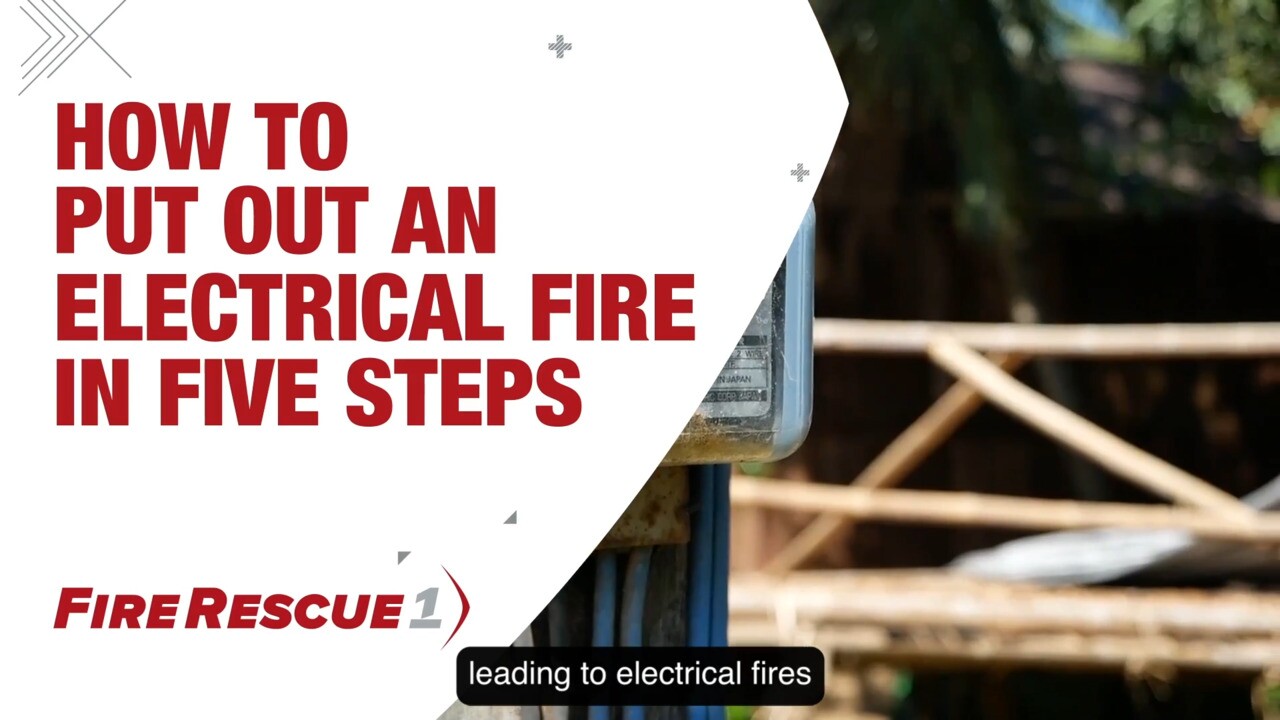
Why electrical fires are different
Electrical fires need special care because electricity can keep feeding the flames. When you ask how do you extinguish an electrical fire, the key is to stop the current first and then put the flame out. Water can make electrical fires worse. That is why the methods differ from normal fires.
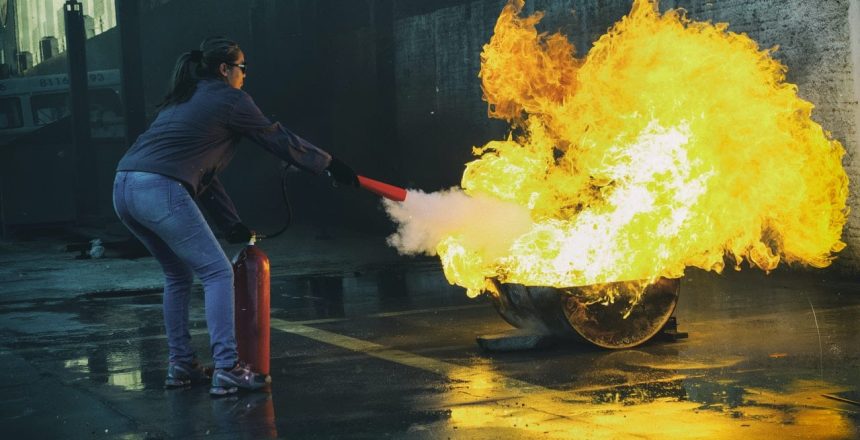
Immediate safety steps before you act
When you wonder how do you extinguish an electrical fire, start with these safety steps. Act fast, but keep calm and avoid putting yourself at risk.
- Cut power to the device or circuit if you can do so safely.
- Evacuate people from the immediate area if the fire grows or smoke is heavy.
- Call emergency services if you cannot control the fire quickly or if the fire is spreading.
- Keep a clear exit behind you so you can leave without turning your back on the fire.
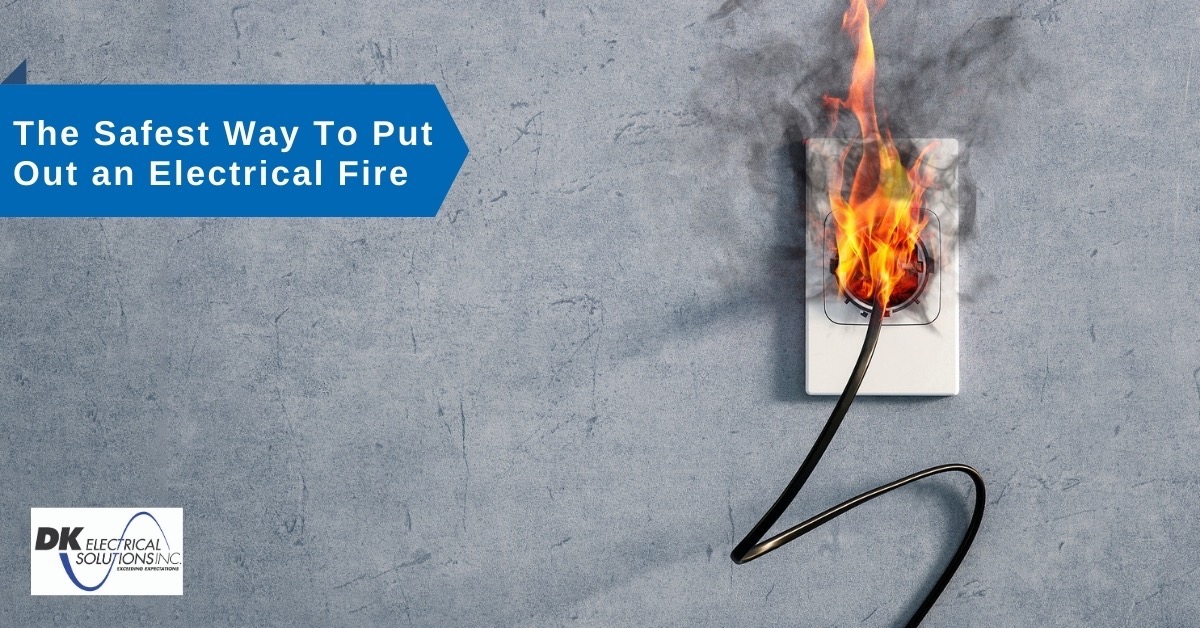
Step-by-step guide: how do you extinguish an electrical fire
This is a simple, practical sequence to follow. I have used these steps in drills and small real events.
- Assess the scene quickly. If the fire is small and contained, you may be able to act. If it is large or spreading, leave and call 911.
- Cut the power. Unplug the device if it is safe and reachable, or switch off the breaker at the panel. Stopping the current often stops the source of ignition.
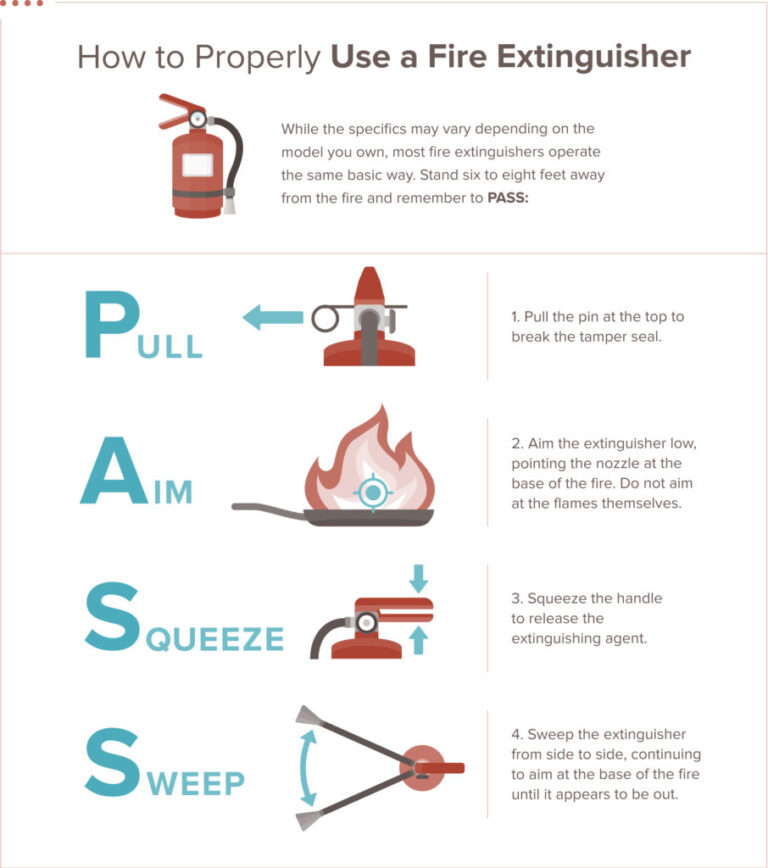
- Use the right extinguisher. If the power is off or the device is unplugged, use a Class C or CO2 extinguisher designed for electrical fires. Follow PASS: Pull, Aim, Squeeze, Sweep.
- Smother very small flames. For tiny fires in cords or outlets, you can use a nonconductive cover or a heavy blanket placed carefully to deprive oxygen—only if the power is confirmed off.
- Monitor after extinguishing. Stay nearby and watch for re-ignition. If smoke or heat returns, evacuate and call the fire department.
When wondering how do you extinguish an electrical fire, remember the order: power off, proper extinguisher, then smothering if needed.
 extinguishers and tools for electrical fires”
style=”max-width: 100%; height: auto; border: 2px solid black; border-radius: 10px; display: block; margin: 0 auto;”
loading=”lazy”
/>
Best extinguishers and tools for electrical fires
Picking the right tool matters when you ask how do you extinguish an electrical fire. These are reliable options.
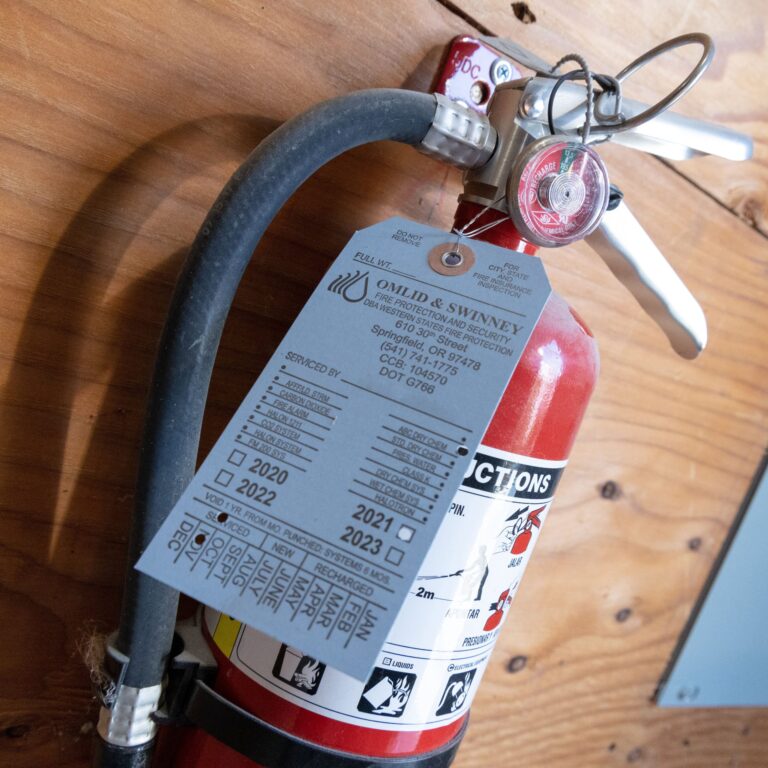
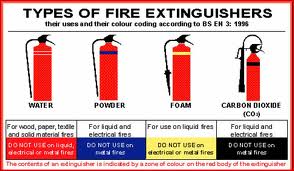
- Class C or multipurpose ABC fire extinguishers. They are rated for electrical fires and common household fires.
- Carbon dioxide (CO2) extinguishers. Good for electrical equipment because they leave no residue.
- Fire blankets. Useful to smother small appliance fires, provided the power is off.
- Dry sand or baking soda. For very small flames on cords, these can help smother the fire safely.
I once used a CO2 extinguisher on a small lab oven fire after cutting power. It worked well and left cleanup simple. Keep extinguishers inspected and charged. Replace or service them after any use.

Common mistakes to avoid
Knowing what not to do is part of learning how do you extinguish an electrical fire. Avoid these errors.
- Do not spray water on a live electrical fire. That can cause shock and spread the fire.
- Do not unplug a burning device if you must reach through flames to do so. Turn power off at the breaker instead.
- Do not use a foam extinguisher without checking its rating for electrical use.
- Do not ignore heat or smoke after a fire appears to be out. Re-ignition can occur.
From my experience, the most common mistake is hesitation to cut power. A quick, safe shutdown often prevents escalation.

Preventing electrical fires
The best answer to how do you extinguish an electrical fire is to avoid one in the first place. Prevention is simple and effective.
- Replace damaged cords and stop using frayed wires.
- Do not overload outlets or extension cords.
- Install ground fault circuit interrupters (GFCIs) where needed.
- Keep heat-producing devices clear of flammable materials.
- Schedule regular electrical inspections in older homes.
I learned early on that a lab with routine maintenance had far fewer incidents. Small checks save large problems.
Signs a device may be about to spark or catch fire
Understanding warning signs helps you act before a full fire starts and answers how do you extinguish an electrical fire more safely.
- Smell of burning plastic or hot insulation.
- Sparks, arcing, or visible smoke from outlets or devices.
- Frequent tripping of breakers or fuses.
- Warm or discolored outlets and switches.
When you notice these, cut power and investigate safely or call a professional electrician.

What to do after an electrical fire
After the flames are out, take these steps. They matter for safety and insurance.
- Keep the scene safe and avoid touching equipment until a professional says it is safe.
- Call your local fire department if you used a home extinguisher; they may inspect for hidden hazards.
- Document damage with photos for insurance.
- Have a licensed electrician inspect wiring and devices before reuse.
These follow-up steps complete the cycle of how do you extinguish an electrical fire and prevent repeat events.

Frequently Asked Questions of how do you extinguish an electrical fire
What type of extinguisher is best for electrical fires?
Use a Class C or CO2 extinguisher for electrical fires. They do not conduct electricity and are designed to suppress these fires safely.
Can I use water to put out an electrical fire?
No. Water conducts electricity and can cause shock or spread the fire. Only use water when the power is completely shut off and the fire source is safe, which is rarely advisable.
Should I unplug a device that’s on fire?
Only unplug if you can reach it without touching flames and without risk. Safer is to cut power at the breaker panel to stop electrical flow.
How long should I watch a device after extinguishing an electrical fire?
Monitor the area for at least 30 minutes to one hour for re-ignition and smoke. If you see smoke or heat return, evacuate and call emergency services.
When should I call the fire department instead of trying to put out the fire?
Call the fire department if the fire is larger than a small, contained spot, if it spreads, or if you have any doubt about safety. When in doubt, call professionals.
Is a multipurpose ABC extinguisher okay for electrical fires?
Yes, an ABC extinguisher is rated for electrical fires and common household combustibles, making it a versatile and safe choice.
Conclusion
Knowing how do you extinguish an electrical fire means thinking ahead, acting safely, and using the right tools. Cut power first, use a Class C, CO2, or ABC extinguisher, and never use water on a live electrical blaze. Practice basic prevention, keep equipment maintained, and call professionals when needed. Take one small step today: check your extinguishers and inspect cords around your home. If this guide helped, leave a comment, subscribe for more safety tips, or share a real-life experience to help others learn.