In the United States, a kitchen is a full food-preparation area with enough space and equipment for regular cooking. A kitchenette is a smaller cooking area with fewer appliances, less storage, and limited counter space.
The line is not always fixed. A kitchenette may include a sink, refrigerator, microwave, cabinets, and a small cooktop. A kitchen usually has a full-size refrigerator, oven or range, sink, work surfaces, storage, and room to prepare meals.
The best way to tell them apart is to look at what you can cook, how much storage you have, and whether the space is designed for daily meal preparation.

Kitchen vs. kitchenette: quick comparison
A kitchen supports full meal preparation. A kitchenette supports light cooking, reheating, snacks, and simple meals.
| Feature | Kitchen | Kitchenette |
|---|---|---|
| Main purpose | Daily meal preparation | Light cooking and food storage |
| Size | Small to large | Usually compact |
| Refrigerator | Often full size | Often compact or under-counter |
| Cooking appliance | Range, oven, or cooktop | Microwave, hot plate, or small cooktop |
| Sink | Standard sink | Small sink or bar sink |
| Counter space | More room for prep | Limited prep area |
| Storage | Multiple cabinets and drawers | Few cabinets or shelves |
| Ventilation | Range hood or other ventilation may be present | May have limited ventilation |
| Typical location | Main home or apartment | Studio, basement, guest suite, office, or rental unit |
| Cooking capacity | Full meals and large cookware | Simple meals and smaller cookware |
A small kitchen can still be a kitchen if it has the equipment and layout needed for regular cooking. A large kitchenette may look attractive but still function as a kitchenette if it lacks a full cooking setup.

What is a kitchen?
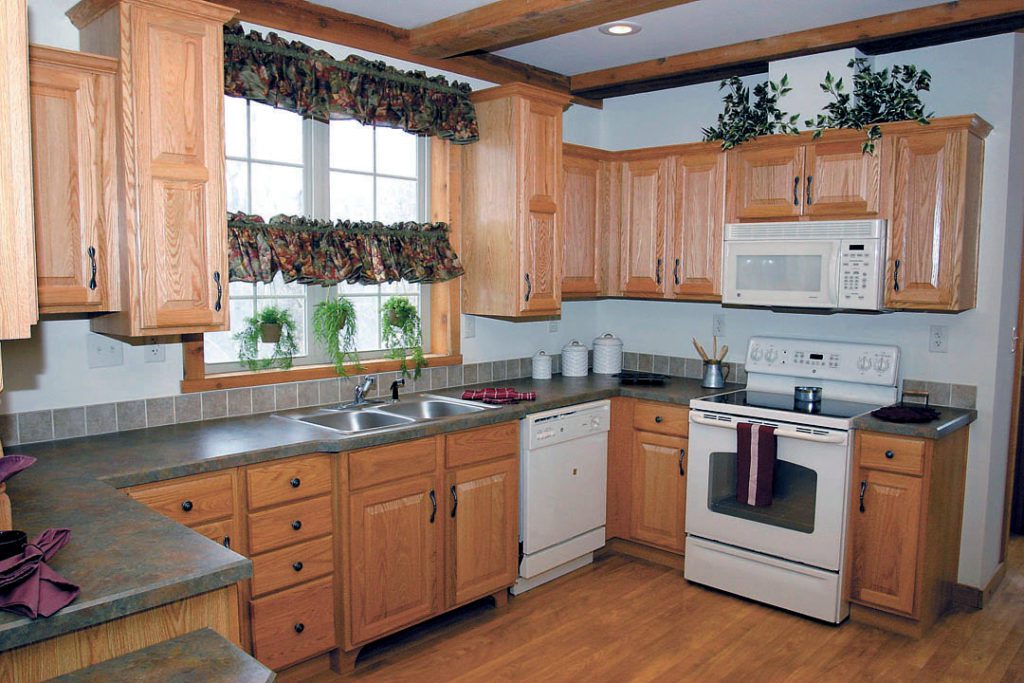
A kitchen is a room or defined area built for storing, preparing, cooking, and sometimes cleaning food. In a typical U.S. home, it includes several connected work zones rather than just one appliance.
Common kitchen features include:
- A refrigerator and freezer
- A sink with hot and cold water
- A range, cooktop, or oven
- Counter space for food preparation
- Cabinets, drawers, or a pantry
- Lighting and electrical outlets
- A method for removing cooking heat, steam, or odors
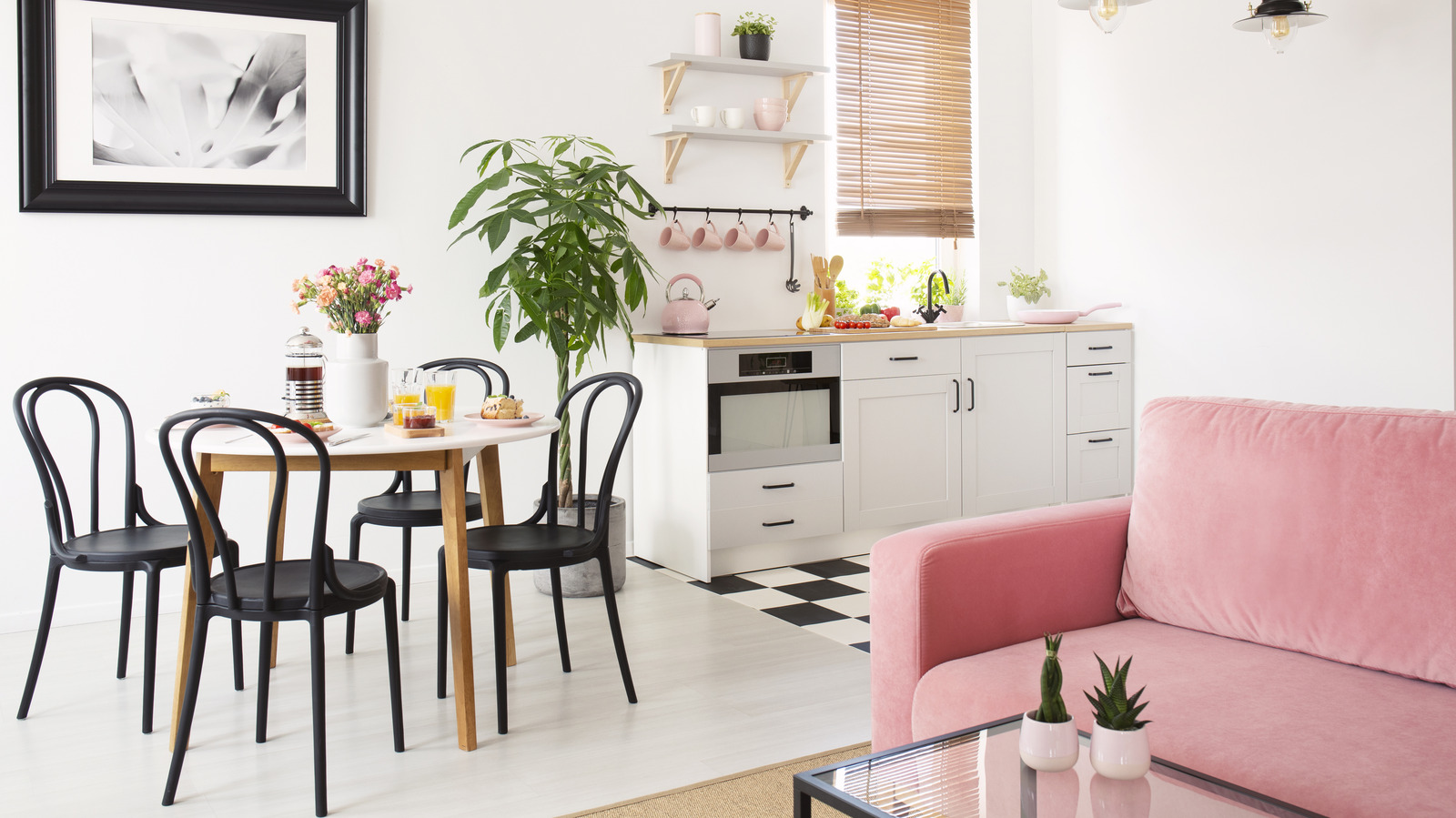
The exact layout can vary. A galley kitchen, apartment kitchen, corner kitchen, and open-plan kitchen can all be full kitchens.
What makes a kitchen “full size”?
“Full-size kitchen” is common real-estate language, not a single nationwide legal standard. It usually means the room has the basic appliances and space needed for routine cooking.
A full kitchen often allows you to:
- Boil or simmer food on a range
- Bake in an oven
- Store several days of food
- Wash pots and pans in a standard sink
- Prepare food without moving appliances
- Use more than one cooking appliance at a time
The word full does not necessarily mean the kitchen is large. A compact apartment kitchen may still be a full kitchen if it has a refrigerator, sink, cooking surface, oven, and workable storage.

What is a kitchenette?
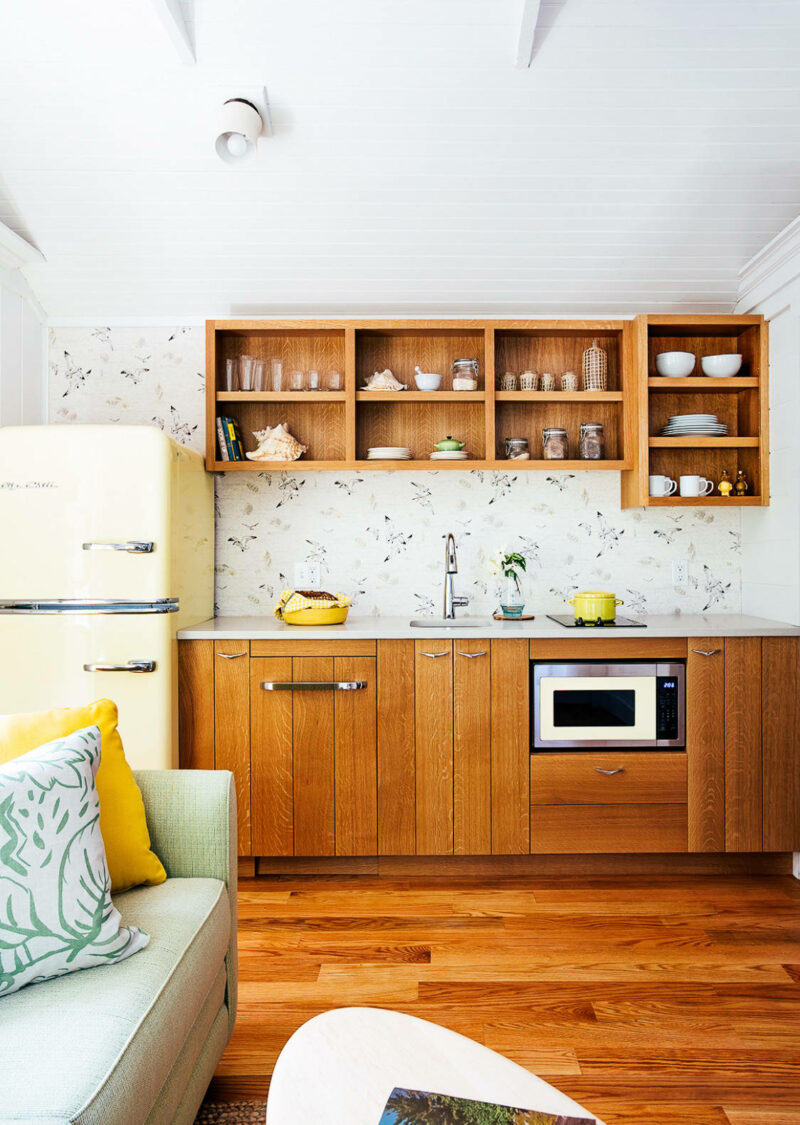
A kitchenette is a compact food-preparation area with fewer features than a typical kitchen. It is designed for convenience, not for large or complex meals.
A kitchenette may include:
- A mini refrigerator
- A microwave
- A small sink
- A two-burner cooktop
- A hot plate
- Limited cabinets or open shelving
- A short counter or folding work surface
- A coffee maker or small dishwasher
Some kitchenettes have no oven. Others have a compact oven, induction cooktop, or combination microwave. The term describes the overall scale and function, so the equipment can differ from one property to another.
Where are kitchenettes used?
In the U.S., kitchenettes are common in:
- Studio apartments
- Guest suites
- Basement living areas
- Accessory dwelling units
- Extended-stay hotel rooms
- Senior housing
- Office break rooms
- Pool houses
- Dormitory-style housing
- Vacation rentals
- Recreational vehicles
A kitchenette can be useful where space is limited or where residents mainly need to store food, make breakfast, heat meals, and prepare simple dishes.

The main differences between a kitchen and a kitchenette
The biggest differences involve capacity, appliances, space, storage, and intended use.
1. Cooking capacity
A kitchen is built for repeated, full meal preparation. It can usually handle pots, pans, baking dishes, and several ingredients at once.
A kitchenette is better suited to smaller tasks, such as:
- Heating prepared food
- Making coffee or tea
- Preparing sandwiches
- Cooking eggs
- Making soup
- Preparing simple pasta or rice
- Storing snacks and drinks
This distinction matters most to people who cook from raw ingredients every day. A kitchenette may work well for one person who eats out often, but it may feel restrictive for a family.
2. Appliance selection
A kitchen usually has a fixed cooking appliance, such as:
- A gas range
- An electric range
- An induction range
- A separate cooktop and wall oven
A kitchenette may use smaller equipment, including:
- A microwave
- A toaster oven
- A portable induction burner
- A two-burner electric cooktop
- A compact refrigerator
Do not assume that a kitchenette has a stove or oven. If an advertisement matters to your housing decision, ask for an exact appliance list.
3. Counter and storage space
A kitchen normally provides enough counter space to prepare food beside the sink and cooking area. It also tends to have more cabinets, drawers, and pantry storage.
A kitchenette may have only a small counter. You may need to store appliances on the counter and keep dry goods in a separate cabinet or closet.
Limited storage can affect daily use more than limited floor space. A kitchenette may look tidy when empty but become crowded when you add cookware, dishes, food, and small appliances.
4. Plumbing and ventilation
Both spaces may have a sink, but the sink size and plumbing setup can differ. A kitchenette may use a small bar sink, while a kitchen usually has a larger sink designed for washing cookware.
Ventilation also varies. A full kitchen may have a range hood that vents outdoors, recirculates air, or uses another approved system. A kitchenette may have only a microwave fan or general room ventilation.
A fan that moves air across a filter is not always the same as a ducted exhaust system. Ask how the cooking area handles heat, smoke, moisture, and odors.

Is a kitchenette considered a kitchen?
A kitchenette may be described as a kitchen in casual speech, but it is not always treated the same way for housing, zoning, or building-code purposes.
The legal answer depends on the location and the issue being reviewed. Local rules may address:
- Whether a space is a separate dwelling unit
- Whether a basement or garage conversion is legal
- Required exits and emergency escape openings
- Plumbing and electrical work
- Fire separation
- Ventilation
- Minimum room sizes
- Occupancy limits
- Required cooking facilities
There is no single nationwide rule that makes every kitchenette legally identical. Cities, counties, and states may adopt different versions of building, residential, fire, plumbing, and electrical codes.
If you are renting, ask the landlord or property manager whether the space is approved for the stated use. If you are building or remodeling, contact the local building department before work begins. A licensed contractor may also need to review permits, wiring, gas lines, plumbing, and ventilation.
The term kitchenette does not by itself prove that a room is a legal independent apartment. Likewise, calling a room a “kitchen” does not prove that it meets local requirements for a dwelling unit.
Kitchenette vs. efficiency kitchen
The terms kitchenette and efficiency kitchen are often used in similar ways, but listings may use them differently.
A kitchenette usually means a compact cooking area with limited equipment. An efficiency kitchen often emphasizes the ability to perform basic cooking in a small space.
An efficiency kitchen may include:
- A compact refrigerator
- A sink
- A microwave
- A small cooktop
- A combined oven and microwave
- Minimal cabinets
Neither phrase guarantees a specific appliance. Real-estate listings and rental ads do not always use these terms consistently.
Before signing a lease or booking a room, ask these direct questions:
- Is there a refrigerator?
- Is there an oven?
- Is there a cooktop or hot plate?
- Is the cooking appliance included?
- Is there a sink with hot water?
- How much counter space is available?
- Are pots, pans, dishes, or utensils included?
- Is there a range hood or other cooking ventilation?
- Is the space approved for cooking?
- Are there restrictions on appliances such as hot plates or air fryers?
Photos can hide missing appliances. A listing that says “kitchenette” may show a microwave and mini-fridge but no stove.
How to choose between a kitchen and a kitchenette
Choose based on your cooking habits, household size, storage needs, and the length of time you will use the space.
A kitchen is usually better if you:
- Cook most meals at home
- Bake or roast food
- Need a full-size refrigerator
- Use large pots and pans
- Prepare meals for several people
- Need food storage for a full week
- Want a dishwasher or a larger sink
- Need separate cooking zones
A kitchenette may be enough if you:
- Mostly reheat prepared food
- Eat out often
- Live alone
- Need a short-term rental
- Want a guest suite with basic food service
- Have limited floor space
- Mainly need coffee, snacks, and breakfast
- Do not need an oven
The deciding trade-off is simple: a kitchenette saves space, but a kitchen gives you more cooking freedom.
Example decision
A student in a small studio who eats at a campus dining hall may find a kitchenette practical. A household that cooks dinner every night will likely need the storage, ventilation, counter space, and appliances of a kitchen.
Can you turn a kitchenette into a kitchen?
You may be able to upgrade a kitchenette, but the project can involve more than adding cabinets. The building may need new electrical circuits, plumbing, ventilation, gas work, or structural changes.
Before planning the remodel, check:
- Available electrical capacity
- Circuit requirements for major appliances
- Plumbing supply and drain locations
- Ventilation options
- Gas-line requirements, if applicable
- Fire and carbon monoxide safety
- Cabinet and counter dimensions
- Appliance clearances
- Moisture protection
- Permit requirements
- Local rules for dwelling units
Cooking appliances can draw substantial power. Do not use extension cords or power strips for major appliances unless the appliance instructions and local requirements specifically allow the setup. A qualified electrician should review new circuits and connections.
If the kitchenette is in a basement, garage, detached structure, or accessory dwelling unit, confirm the legal use of the space before investing in a full remodel. A new kitchen may affect zoning, occupancy, taxes, insurance, and utility requirements.

Safety considerations for kitchens and kitchenettes
A smaller cooking area is not automatically safer. Limited counter space can place hot appliances near walls, curtains, paper goods, or other items that can burn.
Use these basic precautions:
- Keep heat-producing appliances on a stable, nonflammable surface.
- Follow the manufacturer’s clearance instructions.
- Keep towels, packaging, and curtains away from burners.
- Do not leave active cooking unattended.
- Keep a working smoke alarm near the cooking area, but not directly above a normal cooking surface unless the instructions allow it.
- Use a carbon monoxide alarm where fuel-burning appliances are present.
- Do not block required exits.
- Clean grease from cooking surfaces and filters.
- Use the correct outlet and circuit for each appliance.
- Never use a damaged cord or plug.
- Have gas work completed by a qualified professional.
- Stop using an appliance that sparks, smells of gas, trips breakers, or overheats.
The U.S. Consumer Product Safety Commission provides general home safety information, while the National Electrical Code is adopted and modified by local jurisdictions. Local code officials and licensed tradespeople can explain which rules apply to a specific property.

Common mistakes when comparing a kitchen and a kitchenette
Assuming a microwave means there is a kitchen
A microwave provides reheating, but it does not replace a range, oven, sink, storage, or food-preparation space.
Treating “kitchenette” as a legal classification
The word may describe size and function in an advertisement. It does not establish zoning approval or occupancy status.
Ignoring ventilation
Steam, smoke, grease, and cooking odors can become a problem in a small room. Ask whether the space has a range hood, recirculating fan, or another ventilation system.
Focusing only on floor area
A compact kitchen can work well if its layout is efficient. A larger kitchenette may still be difficult to use if it lacks an oven, storage, or counter space.
Forgetting cookware and appliance rules
Hotels, rentals, and shared housing may restrict hot plates, air fryers, toaster ovens, or other heat-producing devices. Read the lease or house rules before bringing one in.
Confusing a wet bar with a kitchenette
a wet bar may have a sink, cabinets, and a small refrigerator, but it may not have a cooking appliance. A kitchenette normally supports at least some food preparation or heating.

Kitchen or kitchenette: which one is right for you?
A kitchen is the better choice for regular cooking, baking, large food storage, and households that need flexible meal preparation. A kitchenette is a practical choice for light meals, short stays, guest spaces, studios, and rooms where saving space matters more than cooking capacity.
When comparing a property, do not rely on the label alone. Make a checklist of the refrigerator, sink, cooking appliance, oven, counter space, storage, ventilation, and legal use of the space.

Frequently asked questions
Does a kitchenette have a stove?
Sometimes, but not always. A kitchenette may have a two-burner cooktop, hot plate, or no stove at all. Confirm the exact appliance list before renting or buying.
Can you cook full meals in a kitchenette?
You can cook some full meals in a kitchenette if it has a cooktop or oven and enough ventilation. Limited counter space, storage, and cookware capacity may make complex meals difficult.
Is a kitchenette cheaper than a kitchen?
A kitchenette often costs less to install because it uses fewer cabinets, appliances, and fixtures. However, the final cost depends on plumbing, electrical work, ventilation, permits, labor, and the condition of the existing space.
Is a kitchenette suitable for a family?
It can be suitable for a family for short stays or light food preparation. For daily family meals, a full kitchen usually offers more useful storage, work space, and cooking capacity.
Does a kitchenette increase a home’s value?
The effect varies by property, market, design, and legal status. A useful, permitted cooking area may add convenience, but an unpermitted conversion can create problems with insurance, financing, resale, or local enforcement.
What should I ask before renting a unit with a kitchenette?
Ask which appliances are included, whether the cooking area has a sink and ventilation, what appliances you may use, and whether the unit is legally approved for its advertised use. Request answers in writing when the information affects your lease decision.
Conclusion
The difference between a kitchen and a kitchenette is mainly one of size, equipment, storage, and cooking capacity. A kitchen is designed for regular meal preparation. A kitchenette is a smaller setup for basic cooking, reheating, and food storage.
For a rental, hotel room, guest suite, or remodel, verify the actual appliances and local requirements. The name alone does not tell you what the space can do or whether it is approved for a particular use.