Monthly visual checks and annual professional maintenance, with 6‑ and 5/12‑year service intervals as required.
I’ve inspected hundreds of extinguishers as a facilities manager and tested service programs for offices and factories. This article explains how often should fire extinguishers be inspected, why those intervals matter, and exactly what to do at each check. I’ll share clear schedules, a practical monthly checklist, legal and safety notes, common pitfalls, and simple recordkeeping tips you can use today.
Why regular inspection matters
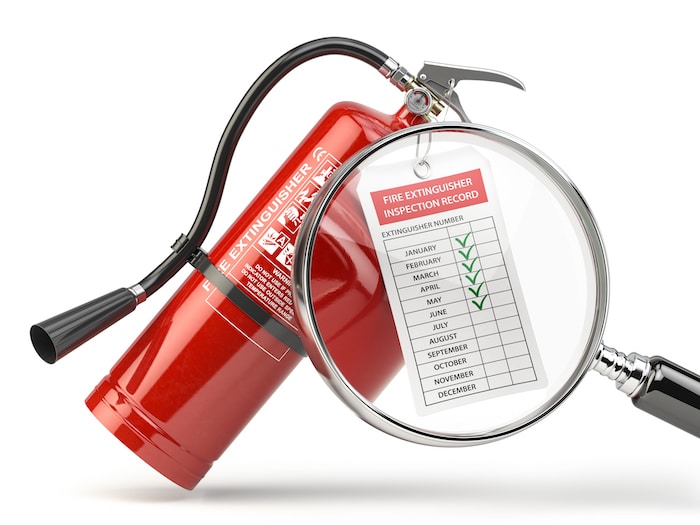
Fire extinguishers sit quietly until you need them. If they fail, people and property are at risk. Regular checks keep extinguishers ready, spot damage early, and meet safety codes.
Inspections also reduce liability and prevent surprises during an emergency. I’ve seen units without pressure, clogged nozzles, and expired tags — all avoidable with routine checks. Follow a simple plan so your team never wonders "how often should fire extinguishers be inspected" when time is tight.
How often should fire extinguishers be inspected? The required schedule
Knowing how often should fire extinguishers be inspected helps you stay compliant and safe. Use this compact schedule and adapt it to your local codes and manufacturer instructions.
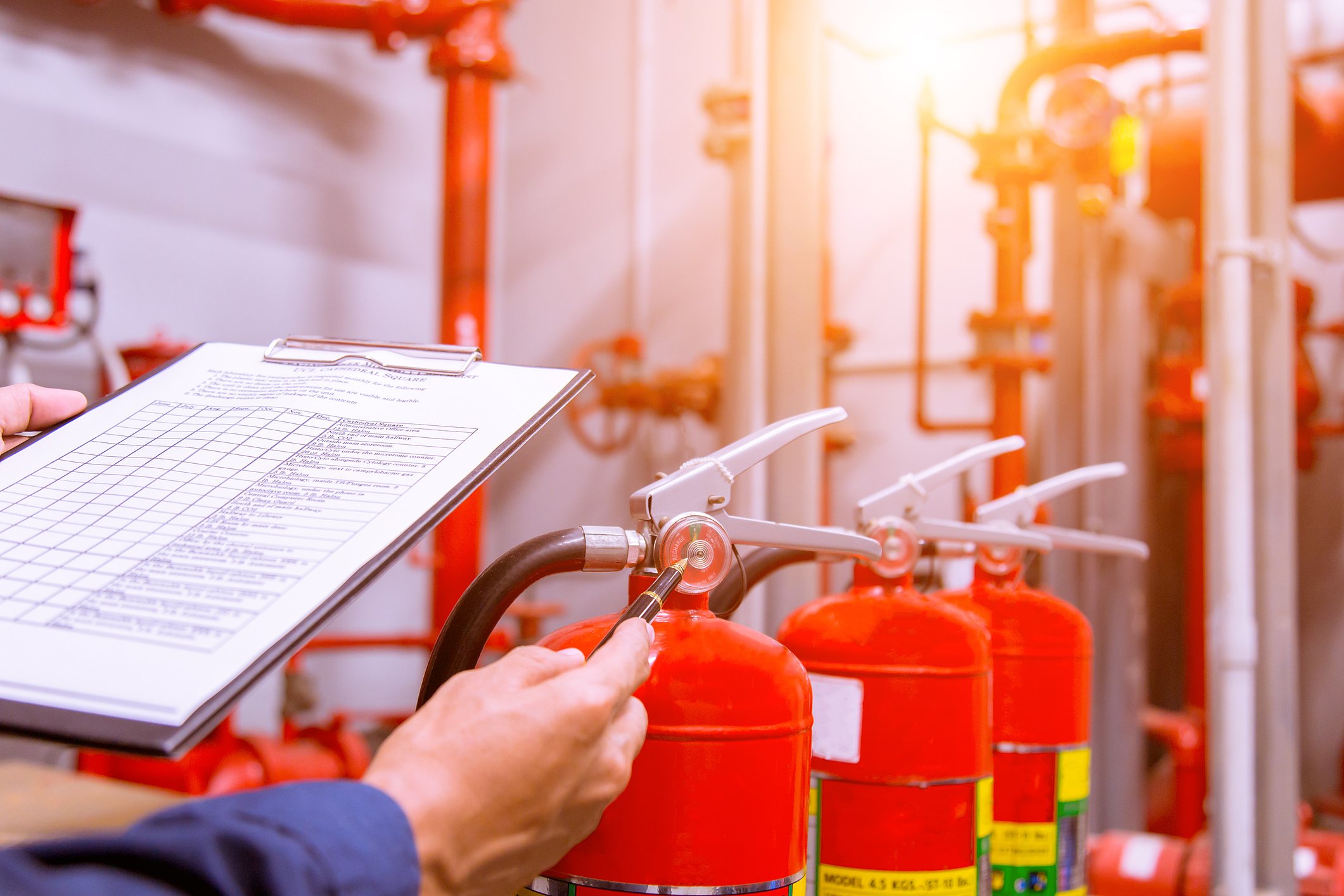
- Monthly visual inspection by on‑site staff to check accessibility, pressure gauge, tamper seal, and obvious damage.
- Annual maintenance by a trained technician to perform a hands‑on inspection and corrective service.
- Every 6 years for many stored‑pressure dry chemical extinguishers: empty, inspect, and refill or replace internal parts when required.
- Hydrostatic testing typically every 5 years for CO2 and some high‑pressure cylinders, and every 12 years for most stored‑pressure dry chemical cylinders; verify with the manufacturer and local code.
- Immediately after any use, impact, corrosion, or if the gauge indicates pressure loss.
If you still wonder how often should fire extinguishers be inspected for your site, start with monthly and annual checks, then confirm 6‑ and 5/12‑year actions based on the extinguisher type.

Who should inspect and service extinguishers
Knowing how often should fire extinguishers be inspected goes hand‑in‑hand with knowing who should do it. Different people do different checks.
- On‑site staff or fire wardens can perform monthly visual inspections after simple training.
- A certified technician or licensed fire protection company should carry out annual maintenance and 6‑year or hydrostatic procedures.
- Property managers should keep manufacturer manuals and local code references on file.
From experience, I recommend a written training session for staff. Even a 20‑minute demo reduces missed items during monthly checks.

Monthly inspection checklist (what to look for)
Follow this short checklist to answer the common question how often should fire extinguishers be inspected for basic readiness. Do this every month and log the result.
- Verify the extinguisher is visible and accessible.
- Check the pressure gauge is in the operable range.
- Confirm the pin and tamper seal are intact.
- Look for dents, corrosion, leaks, or clogged nozzles.
- Ensure the label and instructions are legible.
- Confirm the mounting bracket is secure and the unit is properly labeled.
- Note any location changes or obstructions.
I keep a simple laminated sheet near cabinets and a dated logbook. That small habit caught a discharged unit once before an inspection would have failed.
Annual maintenance and what technicians do
The question how often should fire extinguishers be inspected extends beyond monthly checks. Annual maintenance is a deeper service done by pros.
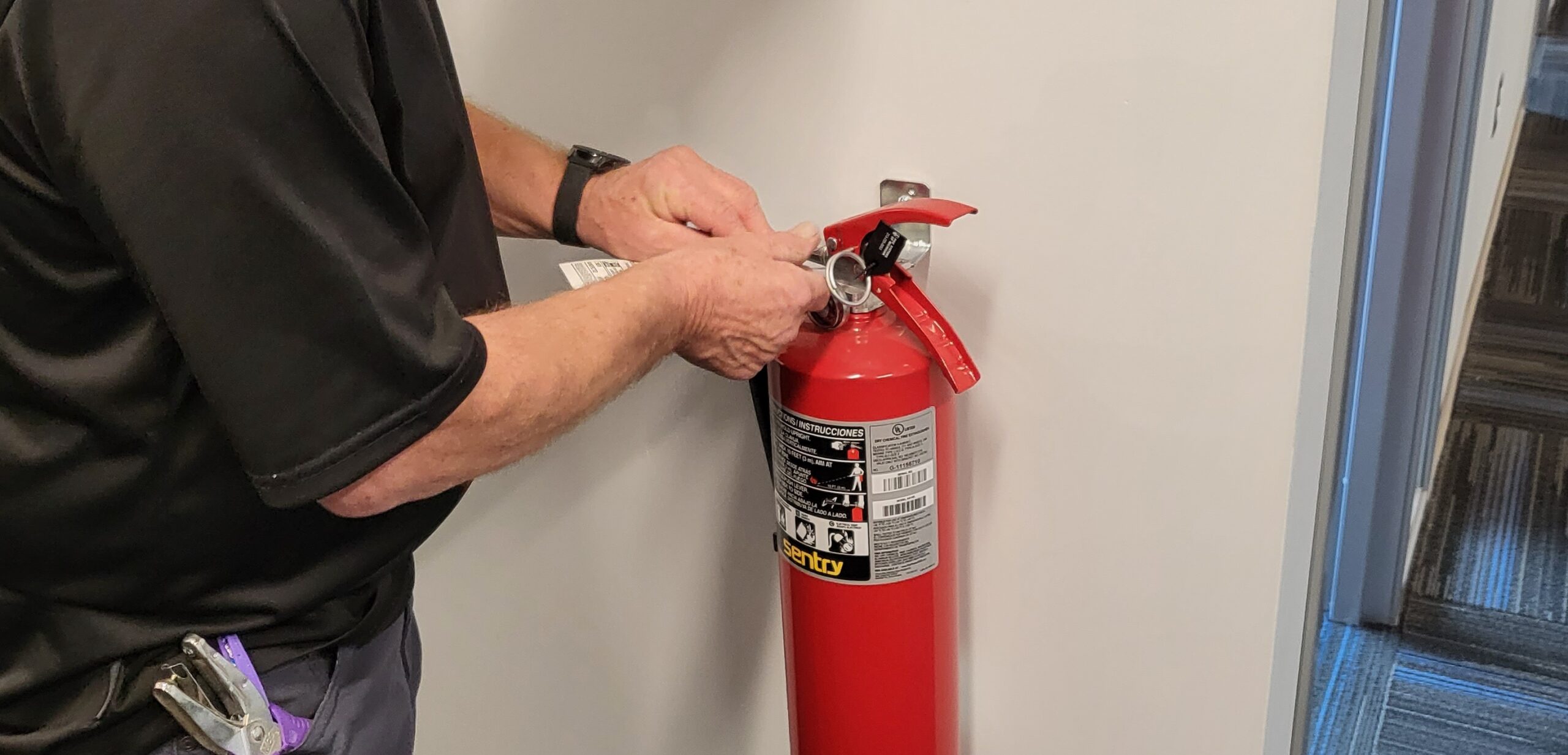
- Technicians perform a full hands‑on inspection, internal examination when needed, and weigh or recharge units.
- They replace worn parts and test gauges and hoses.
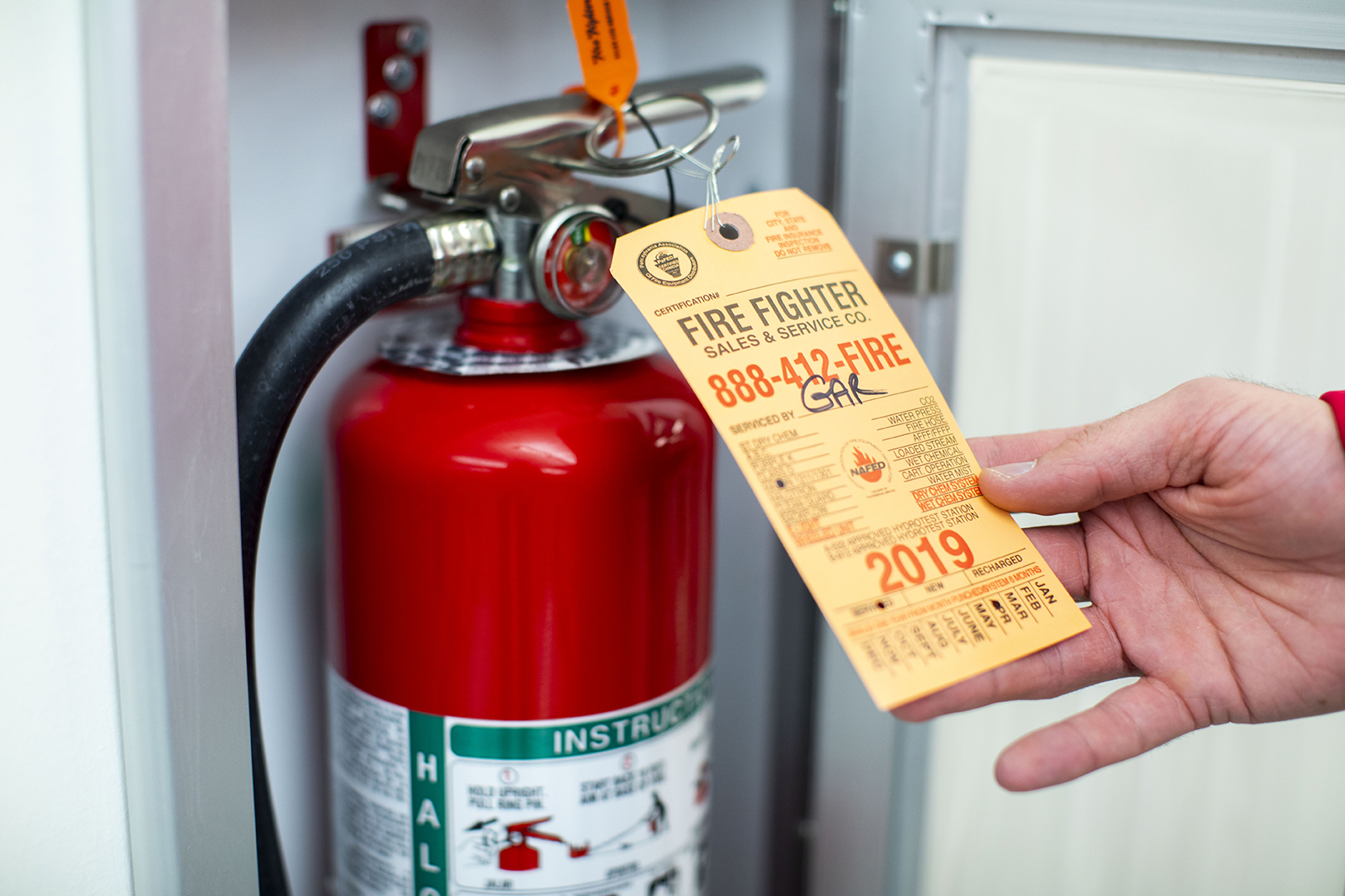
- The technician fills out a service tag showing the date, service performed, and next due date.
Annual service prevents surprises. In my experience, technicians often find missing tags or past due hydrostatic tests that the site manager can address immediately.
Understanding 6‑year and hydrostatic testing
This section explains longer‑term service because many readers ask, how often should fire extinguishers be inspected for deep maintenance.
- Six‑year procedure: Many stored‑pressure dry chemical extinguishers should be removed from service, emptied, internally inspected, and refilled or replaced at about six years.
- Hydrostatic testing: Pressure vessels such as CO2 cylinders often require hydrostatic testing every 5 years. Most stored‑pressure dry chemical cylinders require hydrostatic testing every 12 years. Always confirm with the label and local code.
- After testing, the cylinder gets a test date stamped on it and a service tag.
I once delayed a 6‑year procedure and later had to replace a bottle that corroded internally. Don’t skip these milestones.
After use, damage, or a suspicious reading
You don’t have to wait for the next scheduled date to act. Knowing how often should fire extinguishers be inspected includes knowing when to inspect immediately.
- Inspect immediately after any discharge, even partial use.
- Inspect after a drop, suspected leak, or visible corrosion.
- If a gauge shows low pressure, pull the unit from service and have a technician check it.
Treat these events as triggers for an immediate service call. Quick action keeps everyone safer.

Recordkeeping and tagging best practices
Good records answer "how often should fire extinguishers be inspected" at a glance. Keep both paper and digital logs when possible.
- Attach a durable service tag with dates and technician initials for each unit.
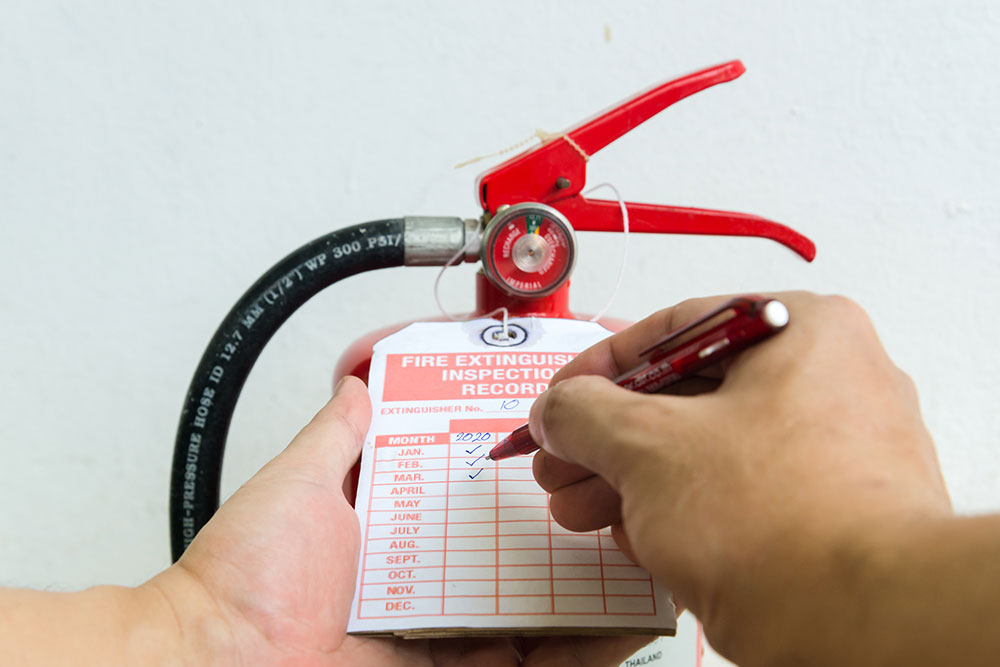
- Maintain a monthly log with checkboxes and signatures.
- Keep annual service reports and hydrostatic testing certificates in a central file or cloud folder.
- Map extinguisher locations and note unit type and capacity for quick reference.
A searchable digital log saved by room number saved me hours during a fire marshal visit once. It’s worth the small setup effort.
Common mistakes and how to avoid them
Avoid these frequent errors when planning how often should fire extinguishers be inspected.
- Relying only on annual checks: monthly checks catch day‑to‑day issues.
- Not training staff: untrained staff may miss obvious defects.
- Ignoring manufacturer labels: intervals can vary by model and agent.
- Poor recordkeeping: missing records cause compliance problems.
From my work, a monthly routine and simple digital record fixed most compliance and readiness problems.
Cost and budgeting considerations
Knowing how often should fire extinguishers be inspected helps you budget. Costs vary, but planning avoids unexpected bills.
- Monthly inspections are low cost and usually done by staff.
- Annual maintenance is the main recurring expense; budget per unit per year.
- Hydrostatic testing and 6‑year services are periodic costs that vary by type.
- Factor in replacement costs for expired or damaged units.
Budgeting for routine service saves money over emergency replacements.
Frequently Asked Questions of how often should fire extinguishers be inspected
How often should fire extinguishers be inspected in an office building?
Monthly visual checks by staff and annual maintenance by a professional are standard. Follow local codes and manufacturer instructions for additional intervals.
Do extinguishers need to be inspected after they are used?
Yes. Any used extinguisher must be inspected and usually recharged or replaced before returning to service.
Who can perform the annual inspection?
A trained and certified fire protection technician or licensed service company should perform annual inspections and required maintenance.
What is the difference between inspection and hydrostatic testing?
Inspection is a visual and functional check; hydrostatic testing verifies the cylinder’s structural integrity under pressure and is done less frequently.
What if my extinguisher is missing a tag or record?
Treat it as overdue. Have a technician inspect and service the unit, then start a proper log and tag system.
Conclusion
Regular checks keep extinguishers ready and people safe. Start with monthly visual inspections and schedule annual technician maintenance. Plan for 6‑year internal service and 5‑ or 12‑year hydrostatic testing based on extinguisher type and manufacturer guidance. Take action now: set a simple monthly routine, train one or two staff members, and create a clear log. If you found this helpful, subscribe, comment with your situation, or share the schedule with your safety team.