In U.S. kitchens, an oven toaster usually means a toaster oven: a small electric oven that sits on a countertop. It uses heating elements to toast bread and cook foods such as pizza, vegetables, chicken, and baked goods.
Unlike a pop-up toaster, a toaster oven has a door, a rack, and temperature controls. Many models also offer bake, broil, reheat, and convection settings. It can handle small meals without heating a full-size oven.
What Is an Oven Toaster?
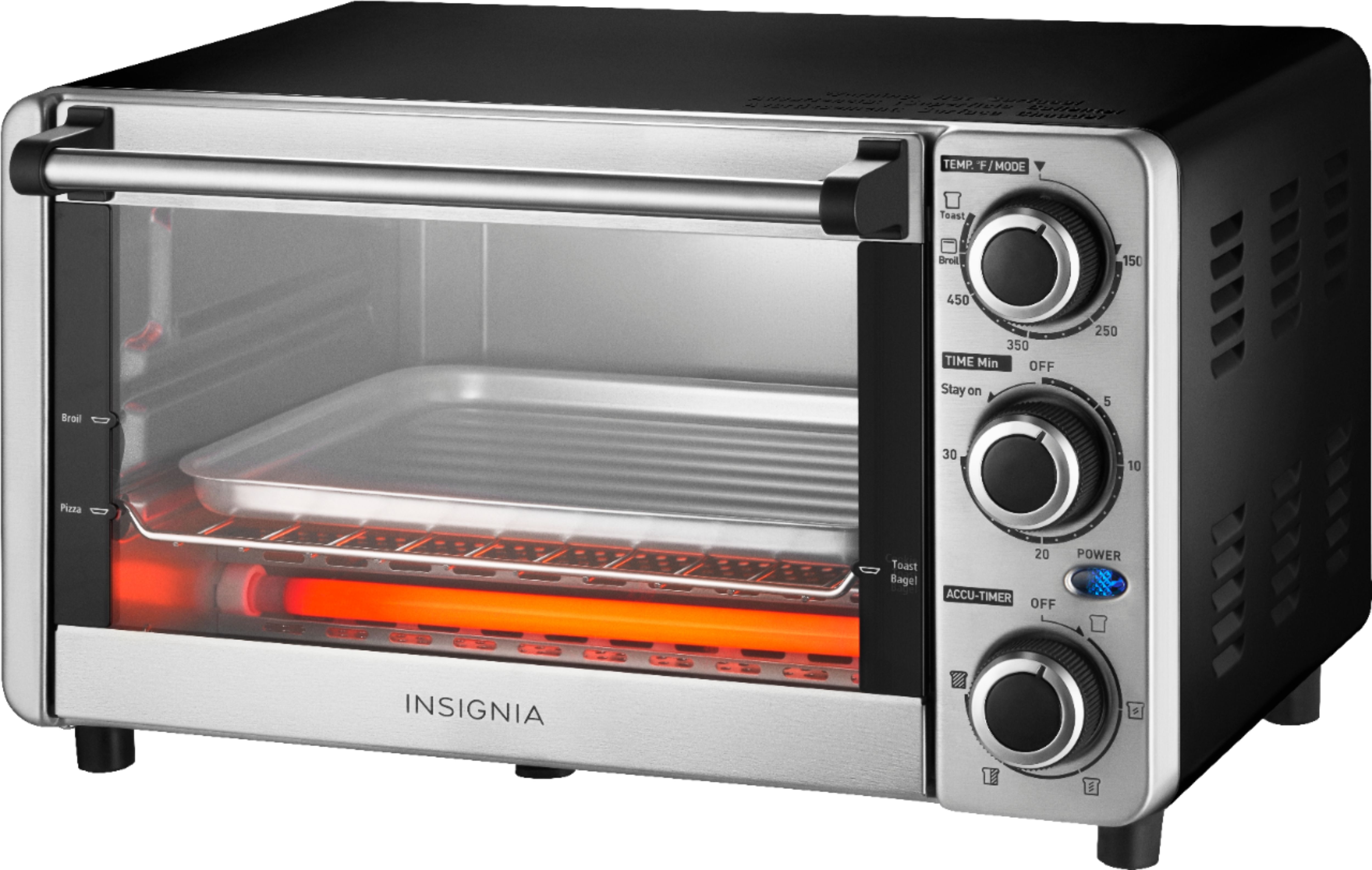
An oven toaster is a compact countertop oven that uses electric heating elements to cook or brown food. In the United States, “toaster oven” is the more common term. Some people use “oven toaster” because the appliance combines the functions of a toaster and a small oven.
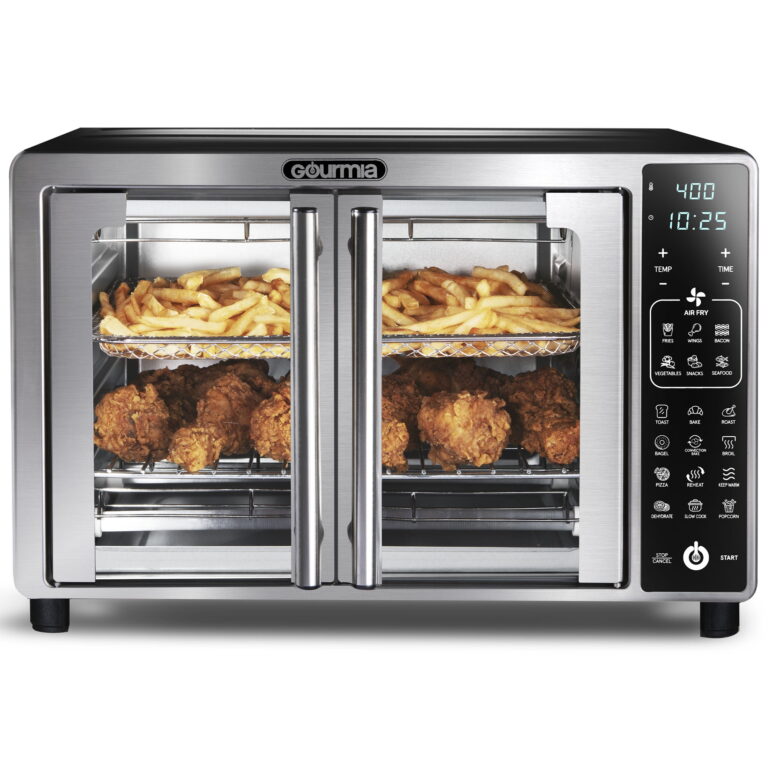
A typical toaster oven includes:
- A hinged glass door
- A removable wire rack
- A baking pan or crumb tray
- Upper and lower heating elements
- Temperature controls
- A timer
- Cooking mode controls
The heating elements turn electrical energy into heat. That heat cooks the food inside the chamber. Depending on the setting, the elements may heat from the top, bottom, or both.
A toaster oven is not the same as a regular toaster. A regular toaster is mainly designed for sliced bread. A toaster oven has more space and supports many cooking methods.
How Does a Toaster Oven Work?
A toaster oven cooks food by transferring heat from electric elements to the air and the food. The controls determine which elements operate and how hot the oven becomes.
Most models use these basic settings:
Toast
The upper and lower elements heat the food from both sides. This setting works well for bread, bagels, English muffins, and frozen waffles.
Some toaster ovens have a bagel setting. It often heats the cut side more strongly while lightly warming the outside. The exact heating pattern depends on the model.
Bake
The bake setting uses steady heat to cook foods such as:
- Cookies
- Small casseroles
- Frozen snacks
- Fish fillets
- Roasted vegetables
- Small portions of meat
Bake settings may use both heating elements, but the pattern varies by brand and model. Follow the instructions in the owner’s manual when a recipe calls for a specific rack position.
Broil
Broiling uses strong heat from the upper element. It can brown the top of food or cook thin items quickly.
Because broiling creates intense heat near the food, watch it closely. A few seconds can change lightly browned food into burned food.
Reheat
Reheat warms cooked food with less aggressive heat than broiling. It can help crisp pizza, fries, and baked foods better than a microwave.
Convection
A convection toaster oven uses a fan to move hot air around the cooking chamber. This can help food brown more evenly and may shorten cooking time in some recipes.
Convection does not guarantee faster cooking for every food. The correct time and temperature depend on the recipe, food size, pan, rack position, and model.

What Can You Cook in a Toaster Oven?
A toaster oven can cook many foods that fit inside its chamber. Its small size makes it useful for one or two servings, snacks, and side dishes.
Common uses include:
- Toasting bread and bagels
- Reheating pizza
- Baking cookies
- Roasting vegetables
- Cooking fish
- Heating frozen foods
- Melting cheese
- Broiling sandwiches
- Making toast-based breakfasts
- Cooking small portions of chicken or meat
The cooking space is the main limit. A standard toaster oven may not fit a large casserole dish, whole turkey, or full-size pizza. Always check the interior dimensions before buying cookware or planning a recipe.
Food must also have enough space around it for heat to circulate. Crowding the rack can lead to uneven cooking.
For meat, poultry, seafood, and leftovers, use a food thermometer rather than judging safety by color alone. The USDA Food Safety and Inspection Service provides safe temperature guidance for cooked foods and leftovers.
Toaster Oven vs. Regular Oven vs. Air Fryer
These appliances overlap, but they are built for different tasks.
| Appliance | Best for | Main advantage | Main limitation |
|---|---|---|---|
| Pop-up toaster | Sliced bread and bagels | Fast and simple | Limited food capacity |
| Toaster oven | Small meals, toast, baking, and reheating | Versatile countertop cooking | Small cooking chamber |
| Full-size oven | Large meals and multiple dishes | Large capacity | Takes longer to heat and uses more space |
| Air fryer | Crisping small portions | Strong airflow and fast browning | Smaller shape and less useful for some baked foods |
A toaster oven is often the most flexible option of the three countertop appliances. It can toast, bake, broil, and reheat. An air fryer may brown food more quickly because it uses strong circulating air, but a toaster oven can offer a flatter rack and more usable space for toast, pizza, and baking pans.
Some toaster ovens include an air-fry mode. These models usually add a perforated basket and a high-speed fan. The result may resemble air frying, but performance varies by design.
A full-size oven remains the better choice for large batches. A toaster oven may save time for a small meal because it has less space to heat, but actual energy use depends on the model, cooking time, and food.
How to Use a Toaster Oven Correctly
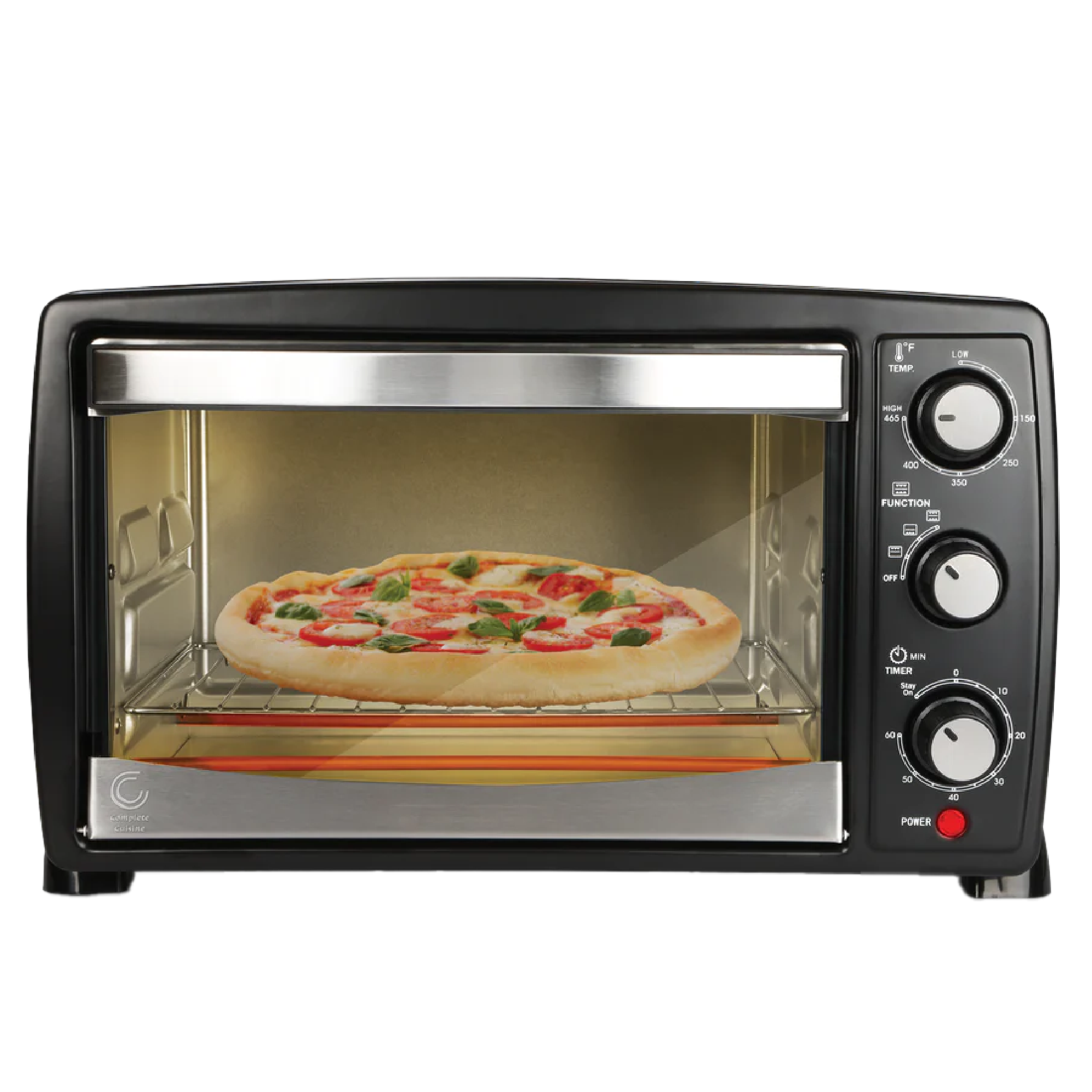
Use the appliance according to its manual. Models differ in heating patterns, rack positions, controls, and safe cookware.
1. Check the cooking space
Make sure the food or pan fits without touching the door, walls, or heating elements. Leave room for the door to close fully.
2. Choose the right cookware
Use cookware labeled as safe for oven use. Metal pans are common in toaster ovens. Some glass or ceramic dishes are also safe, but check the dish maker’s instructions.
Do not place plastic, paper, or other materials inside unless the manufacturer specifically approves them for that use.
3. Select the rack position
Use the center or lower rack for baking in many models. Use a position closer to the top for broiling, but follow the manual because rack spacing varies.
4. Preheat when the recipe requires it
Preheating gives the food a more predictable starting temperature. Some foods, such as toast or reheated pizza, may not need a full preheat.
If a recipe was written for a full-size oven, the toaster oven may need a different time or temperature. Begin checking early instead of assuming the same result.
5. Set the cooking mode and timer
Select bake, broil, toast, convection, or another available mode. Set the temperature and time.
A timer is useful, but it does not replace supervision. The timer may only signal the end of cooking, and some models continue heating unless the controls shut the appliance off.
6. Check the food
Look for even browning and use a thermometer for foods that require a safe internal temperature. If the outside browns too fast, lower the temperature or move the pan farther from the upper element.
Signs of proper cooking
Food is more likely to cook evenly when:
- The rack is not crowded
- The door closes fully
- The selected mode matches the recipe
- The temperature is accurate
- The food is turned or rotated when needed
- The pan does not block normal airflow
If the food is raw in the center but dark on top, it may be too close to the upper element, too thick, or cooked at too high a temperature.

What to Look for When Buying a Toaster Oven
The best toaster oven depends on how you plan to use it. Compare capacity, controls, cleaning needs, and safety features instead of focusing only on the number of cooking modes.
Capacity
Manufacturers may describe capacity by the number of bread slices or the size of a pizza. These labels are not always directly comparable.
Measure the inside of the oven when possible. Check whether it fits:
- Your usual baking pan
- A 9-by-13-inch dish, if needed
- A standard frozen pizza
- A small roasting pan
- The foods you cook most often
Heating modes
Basic models may offer toast, bake, and broil. More advanced models may add convection, air fry, proof, dehydrate, warm, or dedicated food presets.
More modes can be useful, but they do not automatically mean better cooking. The quality of the heating elements, fan, controls, and insulation also affects results.
Temperature control
A model with adjustable temperature settings gives you more control than one with only preset buttons. A digital display can make settings easier to repeat, while manual dials may be simpler to use.
Timer and automatic shutoff
An automatic shutoff can reduce the chance that the oven keeps heating after the set time. Read the manual to learn whether the timer controls the heating elements or only sounds an alert.
Cleaning design
Look for a removable crumb tray and accessible interior surfaces. Crumbs and grease can smoke or ignite when exposed to high heat.
A nonstick interior may be easier to wipe, but follow the manufacturer’s cleaning directions. Do not use harsh tools or cleaners that can damage the finish.
Counter space and ventilation
Measure the space before purchase. Leave the clearance required by the manufacturer around the sides, top, and back.
Do not place a toaster oven directly under cabinets if the manual warns against it. Heat and steam can damage nearby surfaces.
Toaster Oven Safety and Common Mistakes
A toaster oven is a heating appliance. Use it with the same care you would use with other cooking equipment.
Keep the area clear
Keep towels, paper, plastic, curtains, and other flammable items away from the appliance. The National Fire Protection Association advises keeping anything that can burn away from cooking equipment.
Do not cover the crumb tray
Covering the crumb tray or blocking air openings can trap heat. It may also interfere with the appliance’s normal operation.
Use foil only when the manual allows it
Aluminum foil can reflect heat and may damage the appliance if it touches a heating element. It can also block airflow or create a fire risk.
If foil is permitted, keep it away from the elements and never use it to cover the entire rack, crumb tray, or interior floor unless the manufacturer specifically instructs you to do so.
Never put water inside a hot toaster oven
Turn off and unplug the appliance before cleaning. Let it cool fully. Wipe the inside with a damp cloth only as directed by the manual.
Do not use damaged cords or plugs
Stop using the appliance if the cord, plug, controls, door, or heating elements show damage. Do not attempt electrical repairs unless you are qualified to perform them safely.
Avoid overcrowding
Overcrowding can block heat and increase uneven cooking. It may also allow food or grease to contact the elements.
Watch high-fat foods
Grease can smoke or flare at high temperatures. Use a suitable pan and stay nearby during broiling or cooking fatty foods.
Clean crumbs and grease often
Unplug the appliance and let it cool before cleaning. Remove the crumb tray and dispose of crumbs. Wipe grease from the interior as the manual permits.
Persistent smoke may signal excess grease, food residue, an unsuitable material, or a mechanical problem. Turn the oven off and unplug it if safe to do so. If smoke continues or you see flames, follow local emergency guidance and do not open the door if doing so would feed a fire with oxygen.

Is an Oven Toaster Worth It?
A toaster oven can be worthwhile if you often cook small portions, reheat crisp foods, or want more functions than a pop-up toaster provides.
It may suit you if you:
- Live in a small apartment
- Cook for one or two people
- Want to avoid heating a full-size oven for small meals
- Need a second cooking appliance
- Prefer crisp reheated food
- Bake small batches
It may not be the best choice if you regularly cook large meals, need several pans at once, or have very limited counter space.
The main trade-off is capacity versus convenience. A smaller model takes less space but fits fewer foods. A larger model offers more room but needs more counter space and may require more cleaning.
Frequently Asked Questions
Is an oven toaster the same as a toaster oven?
Yes, in most U.S. usage, “oven toaster” refers to a toaster oven. A toaster oven is a small countertop oven that can toast bread and cook other foods.
Can you use a toaster oven like a regular oven?
Yes, for foods that fit inside the chamber and cookware that is safe for oven use. You may need to adjust the cooking time, temperature, or rack position because the chamber is smaller and the heating elements are closer to the food.
Can you put aluminum foil in a toaster oven?
Only if the manufacturer permits it and the foil is positioned safely. Foil must not touch the heating elements, block vents, or cover the crumb tray unless the manual specifically allows that use.
Does a toaster oven use less electricity than a full-size oven?
It can use less electricity for small portions because it heats a smaller space. The actual difference depends on the appliance, cooking time, temperature, and food. A toaster oven is not automatically more efficient in every situation.
Can you cook raw chicken in a toaster oven?
Yes, if the chicken fits safely and the toaster oven can maintain the required cooking heat. Use a food thermometer and follow USDA food-safety guidance. Do not rely only on the outside color.
Can a toaster oven replace an air fryer?
It can replace some air-fryer tasks, especially when it has a convection or air-fry setting. An air fryer may circulate air more aggressively in its smaller cooking chamber, while a toaster oven may provide more usable rack space.
Conclusion
An oven toaster, more commonly called a toaster oven in the United States, is a compact electric oven for toasting, baking, broiling, reheating, and sometimes air frying. It is useful for small meals and crisp reheating, but its capacity and safety limits matter.
Before using one, check the manual, choose safe cookware, keep the crumb tray clear, and watch food during high-heat cooking. When choosing a model, measure your counter and cooking space first. The right appliance is the one that fits your food, your kitchen, and the way you cook most often.