For most homes in the United States, the best toaster is not the one with the most buttons. It is the model that fits your bread, browns slices evenly, feels safe on a 120-volt outlet, and is easy to clean. Before you buy, compare the toaster’s slot size, heating control, useful features, safety design, cleaning needs, warranty, and counter-space demands.
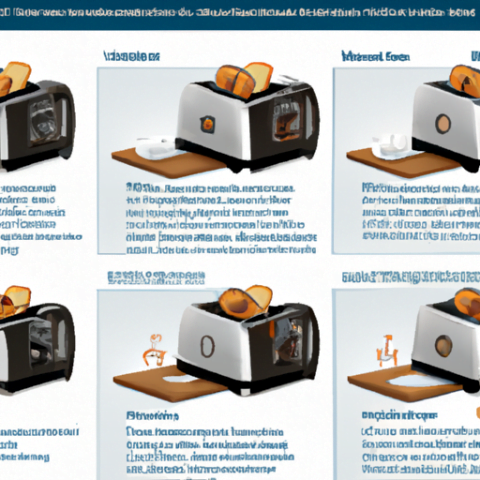
Quick Answer: What Matters Most in a Toaster?
Look for these features first:
- Even browning: The toaster should heat both sides of a slice with few pale or burnt spots.
- Slot size: Choose slots that fit the bread, bagels, waffles, or frozen items you eat most often.
- Simple browning control: Several clear settings are useful, but more settings do not always mean better results.
- High-lift function: This helps you remove small slices without burning your fingers.
- A removable crumb tray: It makes cleaning faster and helps reduce crumbs inside the toaster.
- Useful special modes: Bagel, defrost, and reheat settings can help if you will use them often.
- Safety features: Look for automatic shutoff, cool-touch areas where possible, and a design that stays stable.
- A suitable size: A four-slice toaster may save time, but it uses more counter space.
- A warranty and support: A clear warranty can matter more than a long feature list.
The right choice depends on how much bread you toast, which foods you use, how much space you have, and whether you value speed or compact size.
Choose the Right Toaster Type
The two main toaster types are two-slice and four-slice models. Your daily routine should guide this choice.
Two-slice toasters
A two-slice toaster is usually the best fit for:
- One person or a small household
- A small kitchen
- Occasional toast
- Limited counter or cabinet space
- Buyers who want a lighter appliance
A two-slice model may also use less counter space and cost less. Its main drawback is speed. If several people need toast at the same time, you may need more cycles.
Four-slice toasters
A four-slice toaster works well for:
- Families
- Shared breakfasts
- Frequent toast or frozen waffles
- Homes where several people eat at once
- Users who want to toast more food in one cycle
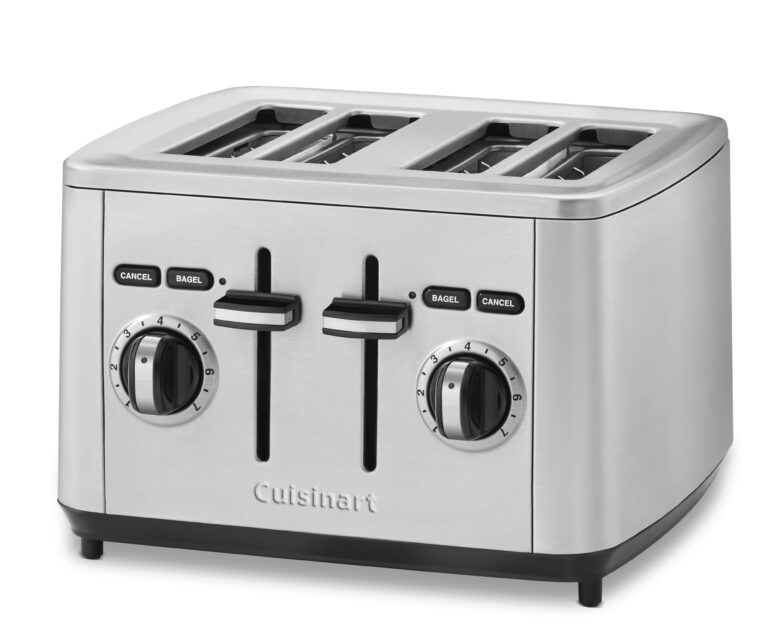
Some four-slice models have two separate control areas. This lets you use different browning levels on each side. For example, one person can choose light toast while another chooses dark toast.
The trade-off is size. Measure the space before buying. Include room above the toaster if you store it under cabinets. Heat and steam can affect nearby surfaces, so follow the maker’s placement instructions.
Toaster ovens
A toaster oven is a different appliance. It can toast bread, but it also uses a larger cooking chamber for foods such as pizza, vegetables, and small meals. It usually takes more space and may take longer to toast a single slice.
Choose a standard pop-up toaster if your main task is fast bread toasting. Choose a toaster oven if you need broader cooking functions and have enough counter space.

Check Slot Size and Shape
Slot size is one of the most important features because bread is not one standard size. A toaster that fits thin sandwich bread may struggle with thick bakery slices or bagels.
Slot length
Long slots can fit:
- Large slices of artisan bread
- Rye or sourdough slices
- Texas toast
- Long bread slices
- Multiple small pieces placed side by side, depending on the design
A long slot does not always mean the toaster can heat every part of a large slice evenly. Read the product details and user manual when available. Look for the maximum slice length and width rather than relying only on a photo.
Slot width
Wide slots are useful for:
- Thick bread
- Bagels
- English muffins
- Belgian waffles
- Frozen pastries approved for toaster use
A slot that is too narrow can compress food. This may lead to uneven heating or make the food hard to remove.
Many manufacturers list a slot width in inches. Compare that measurement with the thickest food you plan to toast. Do not assume that a model labeled “wide slot” will fit every thick item.
Slot depth
Deep slots can toast more of a tall slice. Shallow slots may leave the top of large bread exposed and pale.
The spring-loaded carriage should also raise the food high enough for safe removal. This feature is often called a high-lift lever.
Do not toast unsafe foods
Read the manual before placing any food in a toaster. Items with loose fillings, frosting, cheese, or coatings may drip or melt. Some pastries are made for toaster use, while others are not.
Never place metal utensils into a plugged-in toaster. Unplug the toaster before trying to remove stuck food, and let it cool first.

Evaluate Browning Control and Heat Performance
A good toaster should give you repeatable results. The exact number of settings matters less than how well the toaster controls heat and time.
Browning settings
Most pop-up toasters use a dial, slider, or electronic control. These settings usually adjust the heating time. The numbers are not a universal scale. A “4” on one toaster may produce darker toast than a “4” on another.
The useful test is whether the setting gives you control from light to dark without large jumps. A good control should let you make small changes after each cycle.
Consistent results
Toasting can vary because of:
- Bread thickness
- Bread moisture
- Frozen or fresh food
- Room temperature
- The number of slices toasted at once
- Whether the toaster is already hot
A toaster may need a small setting change for different bread types. That is normal. However, large differences between two slices in the same cycle can suggest uneven heating or poor control.
Wattage
Wattage shows how much electrical power the toaster can draw. In general, higher wattage may support faster heating, but it does not prove better browning.
Performance also depends on:
- Heating element placement
- Slot design
- Thermostat control
- Bread distance from the elements
- The amount and type of insulation
For a U.S. kitchen, check that the appliance is made for the local electrical system. A product designed for another country may not be suitable for a standard U.S. outlet, even if an adapter appears to fit.
Electronic and manual controls
Electronic controls may offer:
- Digital countdowns
- Saved settings
- More precise timing
- Separate controls on four-slice models
Manual controls are often simpler. They may be easier to use and repair, but they may offer fewer settings. Choose based on the way you cook, not on the appearance of the control panel.

Decide Which Features You Will Actually Use
Extra buttons can help, but they can also add cost and complexity. Focus on features that solve a real problem in your kitchen.
Bagel mode
A bagel setting usually heats the cut side more strongly while warming the outer side more gently. This is useful when the goal is a crisp cut surface and a warm crust.
Check the slot size before relying on this feature. A bagel button does not make a narrow slot wide enough for every bagel.
Defrost mode
A defrost setting is designed for frozen bread. It may add time or use a different heating pattern.
Without a defrost mode, some users may need to run a frozen slice through more than one cycle. That can increase the risk of burning the outside before the center is warm.
Reheat mode
Reheat warms toast without starting a full browning cycle. It can help when toast cools before you serve it.
This feature is most useful if you often prepare breakfast in stages. It may not matter if you eat toast as soon as it pops up.
Cancel button
A cancel button stops the cycle at once. It is a basic feature, but it is useful when the toast looks done early or when something begins to smell burnt.
High-lift lever
A high-lift lever raises the carriage above its normal pop-up position. It is helpful for small slices, English muffins, and other foods that sit low in the slot.
Countdown display
A timer can show how much time remains. It may improve convenience, but it does not guarantee even browning. Treat it as a comfort feature rather than proof of performance.
Extra-wide or extra-long slots
These features can be more useful than decorative finishes. Choose them when you regularly toast thick or large bread. Otherwise, a standard slot may be enough.

Inspect Safety and Cleaning Features
A toaster has exposed heating elements inside a small appliance. Safe use depends on both the toaster’s design and your habits.
Automatic shutoff
Most modern toasters stop heating after the cycle ends. Confirm this in the product manual. Automatic shutoff reduces the chance that the toaster will continue heating if the food does not rise as expected.
It does not make an unattended toaster safe. Keep the appliance away from water, curtains, paper, and other items that can burn.
Stability
A stable toaster should have:
- Non-slip feet
- A wide enough base
- Controls that do not move the appliance easily
- A power cord that does not pull it toward the counter edge
Place the toaster on a dry, level, heat-resistant surface. Do not use it near a sink or where water may splash.
Cord storage
A cord-wrap area can reduce clutter. It may also help keep the cord away from hot surfaces. Check that the cord reaches your outlet without stretching across a walking path or hanging near a burner.
Removable crumb tray
A removable tray is easier to clean than an enclosed crumb area. Empty it often, especially if you toast bread with seeds, crumbs, or loose coatings.
Unplug the toaster and let it cool before cleaning. Do not immerse the toaster in water. Do not pour liquid into the slots.
Interior cleaning
Crumbs can collect near heating elements. Turn the unplugged toaster upside down over a trash can and gently shake it when the manual allows this method. Do not hit the toaster against a hard surface. Do not insert knives, forks, or other tools into the slots.
If food is stuck, unplug the unit and wait for it to cool fully. Follow the manufacturer’s instructions. If the food will not come out safely, stop and contact the manufacturer or replace the appliance.
Product safety marks
In the United States, you may see marks from testing organizations such as UL or ETL. A mark applies to a particular product and its approved construction. Check the product label and the organization’s listing when this detail matters.
Do not treat a safety mark as proof that a toaster will brown evenly or last for many years. Safety certification and performance are separate questions.

Compare Size, Speed, Price, and Durability
The best toaster balances daily use with the limits of your kitchen.
Counter space
Measure:
- The width of the available space
- The depth from the wall to the counter edge
- The height under nearby cabinets
- The space needed to operate the lever
- The area needed to remove the crumb tray
Remember that a toaster may need open space above it during use. Do not place it directly beneath items that can be damaged by heat or steam.
Speed
A four-slice model can make more toast at once, but it may use more space. A two-slice model may be enough if only one person needs toast.
Speed also depends on the bread. Frozen food generally takes longer than fresh bread. A toaster that finishes quickly is not automatically better if it burns the edges or leaves the center cold.
Price
A higher price may reflect:
- A metal body
- Electronic controls
- Separate zones
- A longer warranty
- Larger slots
- More complex features
- A particular design or brand
Price alone cannot prove durability or even browning. Look for a clear return policy, replacement support, and a warranty that explains what is covered.
Materials and exterior temperature
Metal exteriors can look durable, but they may become hot. Plastic exteriors may stay cooler, but the quality varies by model.
Do not judge safety from the outside material alone. Read the manual for warnings about hot surfaces and proper placement.
Repair and replacement
Small kitchen appliances are not always designed for easy repair. Before buying, check whether the maker provides:
- A usable warranty
- Customer support in the United States
- Replacement parts, if offered
- A clear process for defective units
- A return period from the seller
A cheap toaster may be reasonable for light use. A frequently used toaster deserves more attention to support and construction.
Use This Toaster Buying Checklist
Use this checklist before you place an order:
| Question | What to look for |
|---|---|
| How many people use it? | Two slots for light use; four slots for shared breakfasts |
| What foods do you toast? | Wide slots for thick bread, bagels, and waffles |
| Do you use frozen bread? | A clearly labeled defrost setting |
| Do you eat bagels? | A bagel mode and slots wide enough for them |
| Do you toast small items? | A high-lift lever |
| Is cleanup important? | A removable crumb tray |
| Is counter space limited? | A compact two-slice model |
| Do you need different settings at once? | Separate controls or zones |
| Is the outlet suitable? | A model designed for the U.S. electrical system |
| What happens if it fails? | A clear warranty and return policy |
A simple decision guide
Choose a compact two-slice toaster if you live alone, have limited space, and mainly toast standard bread.
Choose a wide-slot toaster if you often eat thick bread, bagels, waffles, or bakery slices.
Choose a four-slice toaster if several people need toast at the same time.
Choose a model with separate controls if household members prefer different browning levels.
Choose a toaster oven instead if you want to cook foods beyond toast and can spare the extra counter space.
Common Toaster-Buying Mistakes
Avoid these mistakes when comparing models.
Buying by appearance alone
A polished finish does not show how evenly the toaster browns. Check the controls, slot measurements, cleaning design, and warranty first.
Assuming more settings mean better control
A toaster may list many settings but still produce large jumps between light and dark. Clear adjustment and consistent results matter more than the number printed on the dial.
Ignoring bread size
A standard slice may fit while your favorite sourdough does not. Measure the food you eat most often.
Choosing a four-slice model without measuring
Four-slice toasters can be wide and deep. Measure the counter and confirm that the crumb tray and lever remain accessible.
Using the toaster for foods it was not designed to handle
Loose cheese, wet foods, frosted pastries, and filled items may create smoke, spills, or a fire risk. Follow the manual and the food package instructions.
Cleaning while the toaster is plugged in
Always unplug the toaster before cleaning or removing stuck food. Let it cool first.
Trusting marketing claims without checking conditions
Words such as “fast,” “even,” or “premium” need context. Look for the actual slot size, power rating, control type, safety instructions, and warranty terms.
Frequently Asked Questions
How many watts should a good toaster have?
There is no single wattage that guarantees good results. Wattage indicates electrical power, not browning quality. Heating element design, controls, slot size, and bread type also affect performance. For a U.S. buyer, the toaster must be suitable for the home’s electrical system and outlet.
Is a two-slice or four-slice toaster better?
Neither is better for everyone. A two-slice model saves space and suits light use. A four-slice model saves time when several people need toast at once. Measure your counter before choosing the larger option.
Are wide slots worth it?
Wide slots are worth considering if you eat thick bread, bagels, English muffins, or waffles. If you mainly use thin sandwich bread, standard slots may meet your needs. Always check the listed slot width instead of trusting the label alone.
What is the safest way to remove stuck toast?
Unplug the toaster and let it cool completely. Follow the manufacturer’s instructions. Never use a metal utensil in a plugged-in toaster. If the food cannot be removed without force, contact the maker or replace the toaster.
How often should a toaster be cleaned?
Empty the crumb tray often, based on how much you use the toaster and how crumbly the food is. Clean only when the toaster is unplugged and cool. Do not put the appliance in water or pour liquid into it.
Is a toaster oven better than a regular toaster?
A toaster oven is more flexible because it can cook more types of food. A standard toaster is usually more compact and focused on fast slices of toast. Choose the appliance that matches your main task.
Final Recommendation
When buying a toaster, start with the food you eat and the space you have. Then compare slot dimensions, browning control, useful modes, high-lift access, crumb-tray design, safety guidance, and warranty support.
For most U.S. households, a well-sized toaster with wide enough slots, consistent controls, automatic shutoff, a removable crumb tray, and a clear return policy is a sensible choice. Skip features you will not use, and never trade safe operation for a lower price or a more attractive finish.