An empty wall can make a bedroom feel unfinished, even when the rest of the space looks nice. It is like a pause in a sentence that never ends. Your eyes keep landing on it, and the room feels colder. The good news is that you do not need fancy art or a big budget to fix it. A blank wall is a chance to show your style in a simple, calm way. With a few smart choices, that quiet wall can add warmth, depth, and a clear point of view to your room.
Think of your wall as a mood setter. It can be soft and soothing. It can be cozy and layered. It can spark ideas, like a mood board that gives you energy every day. You do not need to buy much. Many options are renter-friendly and easy to move or swap out. You can even make much of it by hand. This guide gives you simple steps, clear ideas, and real-life tips you can use today.

Start with your wall’s purpose (relaxing, cozy, or creative)
Your wall should match how you want to feel when you walk in. A bedroom is where you rest, but it can do more. It can calm your mind at night. It can hold memories that warm your heart. It can inspire you each morning. Decide on the mood first, and every choice will be easier.
:strip_icc()/7001406_8525_AMP_0323_preview2-855bc40be44a4805b3addc646b6f0059.jpg)
Here are three clear paths you can choose. You can blend them too, but start with one main goal.
- Relaxing wall: Keep it calm and airy
- Colors: soft whites, warm beige, pale gray, blush, sage.
- Materials: linen, cotton, matte paper, unglazed ceramic, light wood.
- Shapes: simple lines, single large piece, lots of breathing room.
- Lighting: indirect light, warm glow bulbs, dimmable string lights or lamps.
- Best picks: one big canvas, a fabric tapestry in a neutral tone, a few small frames in a straight row.
- Cozy wall: Make it warm and layered
- Colors: terracotta, mustard, forest green, navy, cocoa.
- Materials: woven textures, baskets, macramé, wool, reclaimed wood.
- Shapes: clusters, grids, organic groups, soft curves.
- Lighting: fairy lights, candles (LED for safety), sconces with warm bulbs.
- Best picks: photo string lights, floating shelves with books and small plants, a woven tapestry.
- Creative wall: Go bold and personal
- Colors: contrast or color pop—black and white, coral, cobalt, sunny yellow.
- Materials: poster prints, washi-taped gallery walls, bold patterns, mirrors with unique frames.
- Shapes: asymmetry, layered frames, large statement piece, collage.
- Lighting: spotlights, LED strips, neon signs (soft tone).
- Best picks: DIY wall art, a gallery rail, a small mirror cluster, a modern clock.
Quick layout idea: think about eye level. Hang most items so the center sits about 57–60 inches from the floor. Keep 2–3 inches between frames in a set. If you place art above a headboard, leave 6–10 inches between the top of the bed and the bottom of the art. This keeps the wall feeling balanced and calm.
Renter note: use removable strips, hooks, or small nails if allowed. Test paint-safe tape first on a low spot. Avoid very heavy items on weak drywall unless you find a stud or use anchors. Small, light pieces still make a big impact and leave fewer marks.
7 Easy Ideas to Fill an Empty Bedroom Wall
You want quick wins that look good now. The ideas below are simple, low-cost, and flexible. Many need only basic tools. Most are renter-friendly. Pick one, try it, and build from there. Layer slowly so you do not overwhelm your space.
:max_bytes(150000):strip_icc()/662A9190-24fa9cd998384b5ea6ccef949bf21907.jpeg)
DIY wall art
DIY art is affordable and personal. It also looks modern when you keep it simple. You can make something in an afternoon that fits your color palette, your mood, and your wall size. No fine art skills needed. Think shapes, lines, and texture, not perfect details.
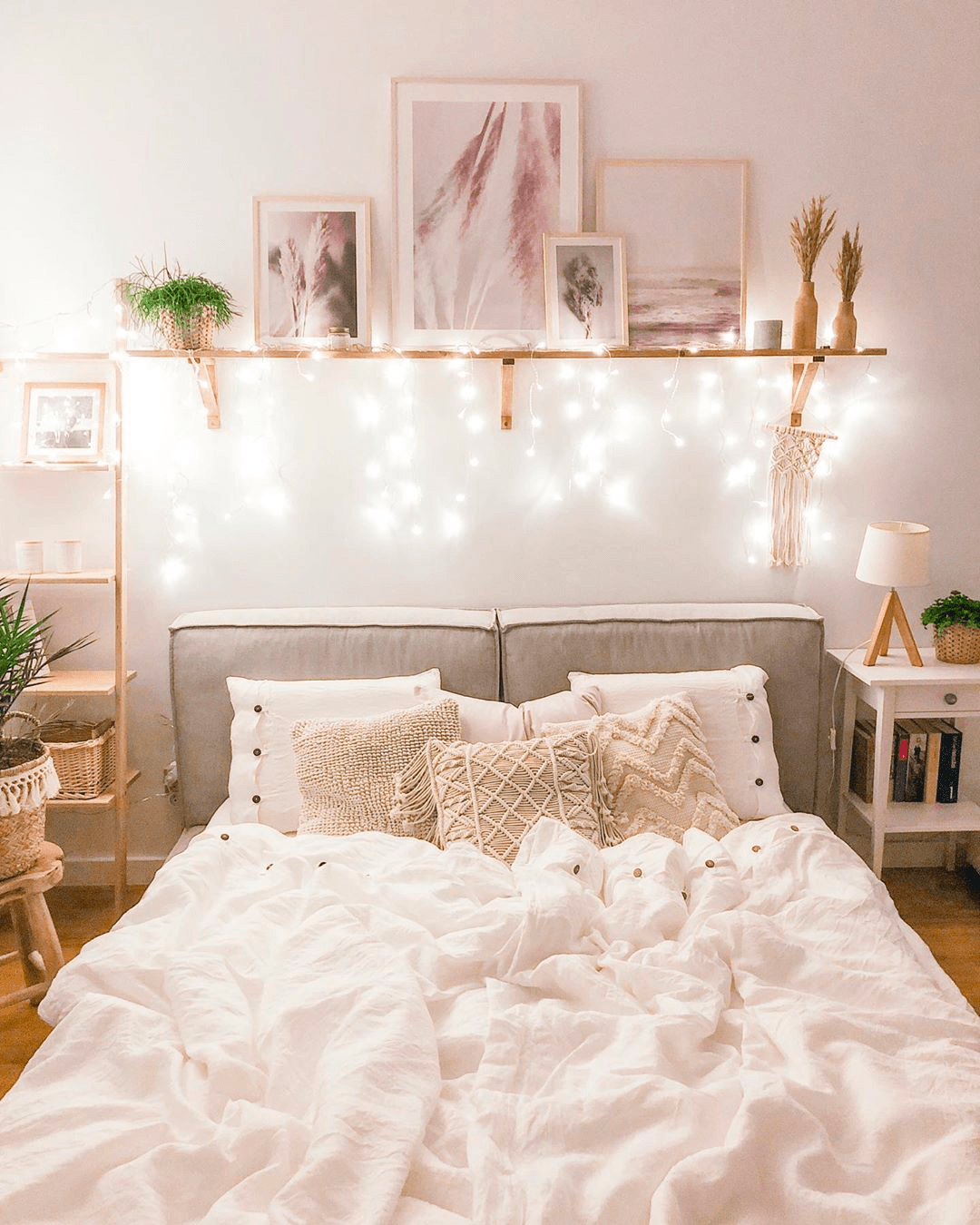
What to make:
- Abstract shapes: Use house paint samples on heavyweight paper. Cut paper shapes and collage them. Keep colors soft or monochrome.
- Line art: Draw a fluid line on white paper with a brush pen. Use a thrifted frame.
- Painted canvas: Sponge on two tones. Add one bold stripe. Done.
- Fabric art: Wrap linen or canvas over a frame. Staple it at the back. Add a simple painted circle in the center.
Materials list:
- Heavy paper or canvas
- Paint (acrylic, house paint samples, or gouache)
- Tape, ruler, pencil, scissors or craft knife
- Glue stick or double-sided tape for collages
- Frame or poster hanger
How to do it, step by step:
- Choose a color story of two to three shades you love.
- Cut simple shapes or tape off sections for clean lines.
- Paint in thin layers. Let each coat dry.
- Add one accent mark or line to pull it together.
- Frame it. Use a mat for a crisp, gallery look.
- Hang at eye level. Add a second piece if the wall still feels empty.
Style tips:
- Oversize one piece for a small room. Large art reduces visual mess.
- Use a poster hanger for a modern look. It is cheap and easy to swap.
- Match the art’s main tone to your bedding or rug for flow.
Renter tip:
- Use removable hooks. Light frames work best.
- Test one corner first to protect paint.
Budget tip:
- Print free high-res art from public domain museums. Frame it at home.
- Reuse old frames. Spray paint them matte black or soft beige.
Common mistake to avoid:
- Too many small frames scattered around. Group them or go bigger for a clean feel.
Floating shelves
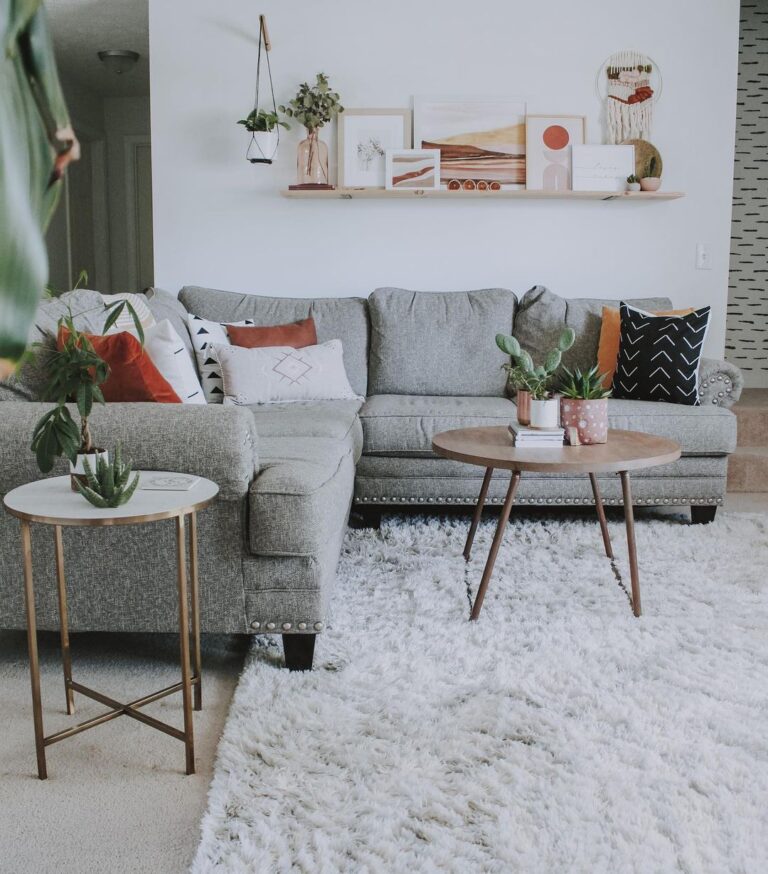
Floating shelves give your wall height, depth, and function. They turn a blank spot into a flexible display. You can mix books, plants, small art, and a candle. Keep the shelf light and airy if your room is small. One to three shelves is enough in most bedrooms.
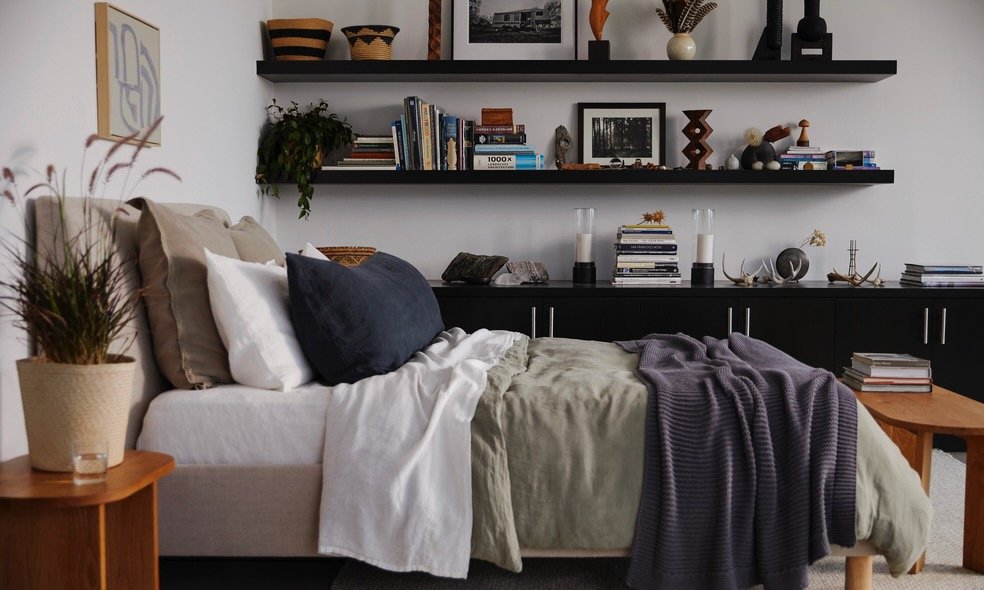
What you need:
- 1–3 floating shelves (24–36 inches wide is easy to style)
- Stud finder or strong anchors
- Level, tape measure, drill or screwdriver
- Removable shelf options if you rent, or tension shelves in alcoves
How to hang:
- Mark the center line on your wall. Stand back and check it.
- Use a level to mark straight lines. Aim for about 12–18 inches between shelves.
- Find studs if you can. Use anchors if not.
- Install the hardware. Attach shelves. Check they are level.
- Style with odd numbers. Vary height and texture on each shelf.
What to put on them:
- Stack two or three books. Top with a small object or plant.
- Add a frame or two. Lean one against the wall for a relaxed look.
- Use a small bowl for jewelry or keys.
- Mix matte and glossy pieces for depth.
Styling rules that work:
- Follow the triangle trick. Make a visual triangle with taller items to guide the eye.
- Repeat one color three times across the shelves for unity.
- Leave space. Empty gaps help the shelf look intentional.
Renter-friendly option:
- Try narrow picture ledges that use small screws or heavy-duty strips.
- Use lightweight items to keep stress low.
Budget idea:
- Buy unfinished wood shelves. Sand and seal with a clear, matte finish.
- Upcycle old wood boards with simple L-brackets.
Maintenance:
- Dust weekly. Rotate items each season to keep it fresh.
String lights + photos
String lights bring instant mood. Photos add heart. Together, they look warm and personal without trying too hard. This is a great idea for renters or students. It costs little and takes less than an hour.
:strip_icc()/103081364_preview-d2c1d671c351415585f60c65c4aa3449.jpg)
Pick your lights:
- Warm white fairy lights for a soft glow.
- Micro-LEDs on copper wire for a delicate line.
- Curtain lights if you want a backdrop behind the bed.
How to set up:
- Choose a shape: straight line, gentle swag, or grid.
- Use removable hooks or clear tape to hang the wire.
- Print small photos in soft tones. Mix in notes, tickets, or postcards.
- Clip photos to the lights with mini clothespins.
- Step back. Adjust spacing so it feels even but not rigid.
Pro tips:
- Keep photos similar in tone or color for a clean look.
- Leave 2–3 inches between clips to avoid clutter.
- Add one small art card or quote for variety.
Safety:
- Use LED lights that stay cool. Do not cover with heavy fabric.
- Keep cords neat and away from pillows.
Style moves:
- Layer lights over a simple tapestry for depth.
- Run a single swag above the headboard for a soft frame.
Budget hack:
- Print photos at home on matte paper. Trim with a white border.
- Use washi tape to hang prints if you skip the lights.
Fabric tapestry
A fabric tapestry adds calm texture in one simple move. It softens sound. It warms the wall. It looks high-end when the fabric is natural and the color is quiet. It is also very renter-friendly. No heavy frames. No tools beyond a few hooks.
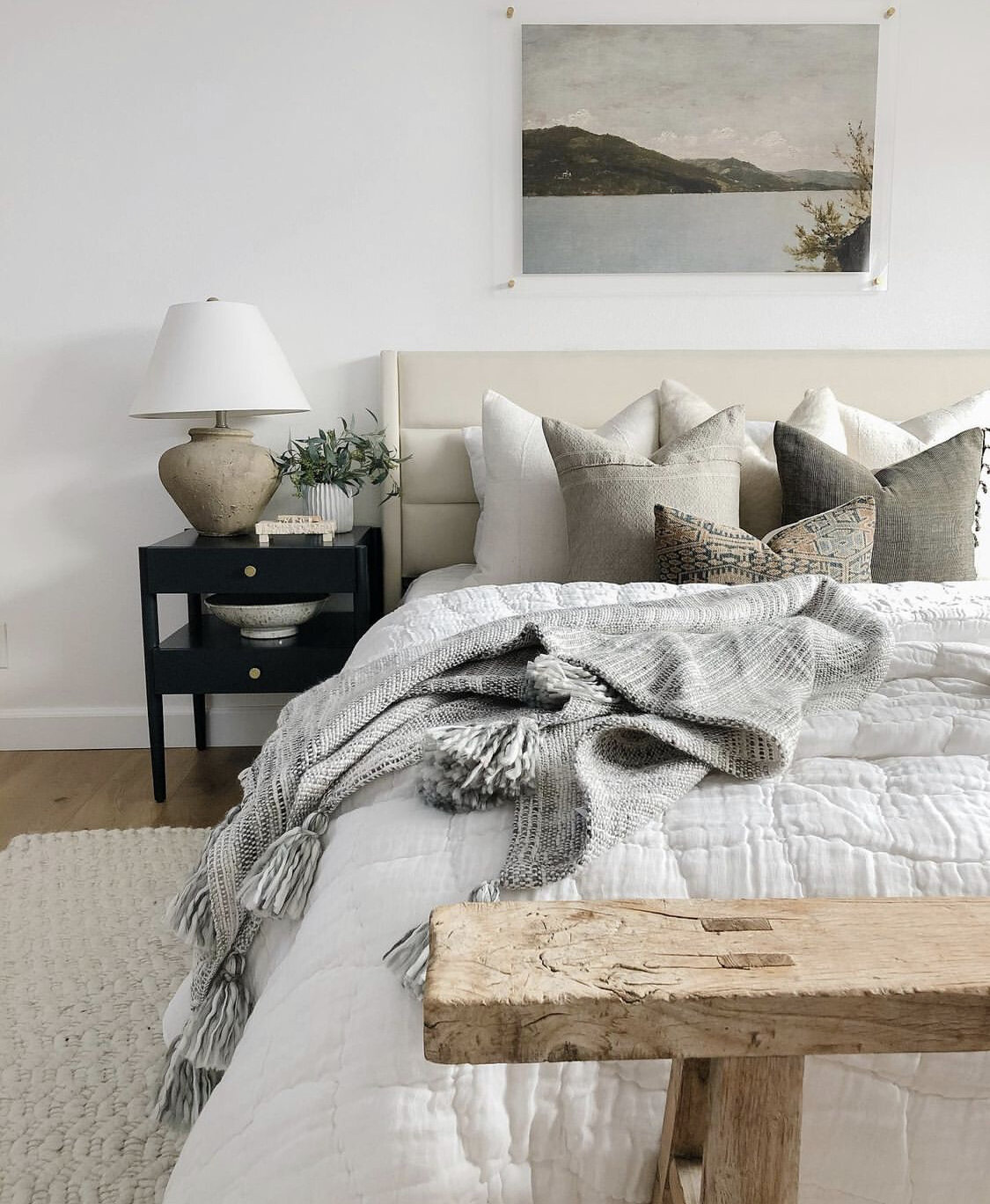
Choose your fabric:
- Linen or cotton in neutral tones for a serene look.
- A simple pattern if you want subtle interest.
- Vintage kantha, suzani, or kilim if you like global style.
Hanging methods:
- Poster hanger bars at top and bottom for a clean line.
- A wooden dowel with string or leather cord.
- Simple nails with a hidden hem or clip rings.
Steps to hang:
- Measure your wall. Aim for 60–70% of the wall width above a bed.
- Iron or steam the fabric for a smooth fall.
- Mount the hanger. Center it at eye level or a bit above if above a bed.
- Hang the fabric. Smooth it out.
- Add one small plant or light on the side to frame it.
Why it works:
- Large size without heavy weight.
- Texture brings warmth without clutter.
- Easy to swap by season or mood.
Layering ideas:
- Hang a string of micro-lights along the top edge.
- Add one thin shelf below with a candle and a book.
Budget options:
- Use a throw blanket you already own.
- Try thrifted curtains as wall art with a dowel.
Care:
- Dust or shake out sometimes. Vacuum lightly with a brush.
Small mirrors
Small mirrors brighten a room and make it feel bigger. They reflect light and create movement. A cluster of small mirrors can act like art. The key is to plan your layout and keep the frames simple.
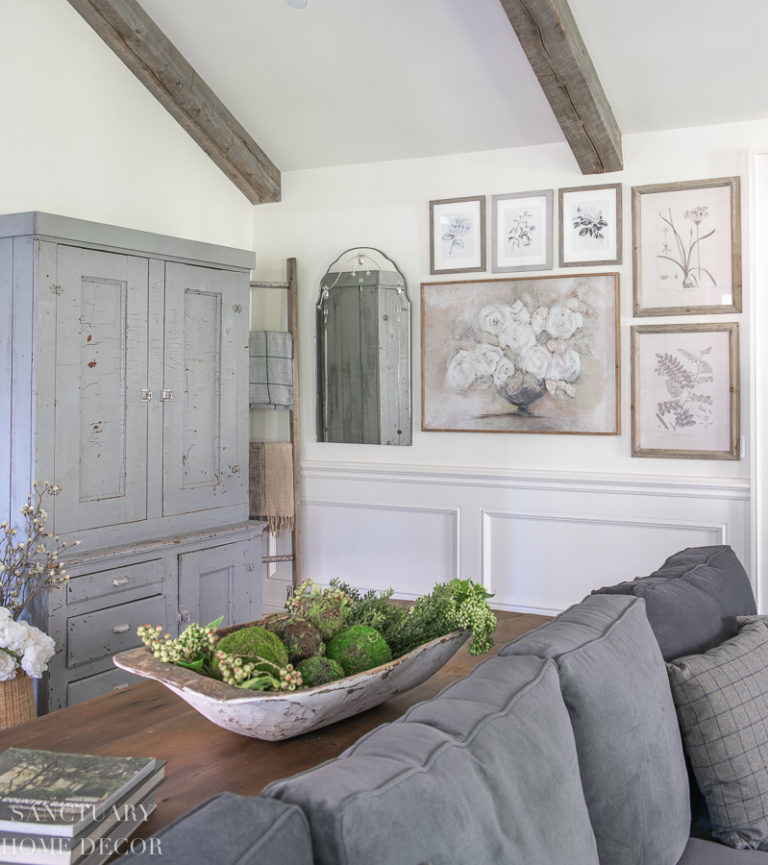
Pick your shapes:
- Round mirrors soften a boxy room.
- Arched or oval mirrors add a gentle curve.
- Square mirrors look modern when arranged in a grid.
How to arrange:
- Cut paper templates. Tape them on the wall to try layouts.
- Keep 2–3 inches between mirrors.
- Choose a central line at eye level and build around it.
- Keep frames in one metal tone for a clean look.
Where to place:
- Across from a window to bounce light.
- Above a dresser to act like a mini vanity.
- In a corner to open up a tight spot.
Renter tips:
- Use adhesive hooks for lighter mirrors.
- For heavier pieces, look for studs or use anchors rated for the weight.
Safety:
- Hang securely, especially above a bed.
- Check that frames are smooth to avoid snags.
Style add-ons:
- Mix one vintage mirror with two modern ones for contrast.
- Add a small plant or sconce nearby to complete the scene.
Budget path:
- Thrift mirrors. Spray paint frames in matte black or champagne gold.
- Use stick-on mirror tiles for a quick grid.
Minimalist clock
A minimalist clock adds function and a quiet focal point. It works well in clean spaces. It can also ground a wall that feels loose or random. Pick a simple face and a finish that blends with your hardware or lamp.
:strip_icc()/091401781_preview1-e5b3f93ec4ad4fecb81d52b50b469f59.jpg)
Choosing the right clock:
- Silent sweep movement so it does not tick.
- 10–16 inches wide for most bedroom walls.
- Matte black, white, wood, or brass to match your room’s accents.
Hanging tips:
- Center it over a dresser or side table.
- Keep the middle of the clock at eye level.
- Pair it with one small frame or plant to avoid a lonely look.
Design ideas:
- Use a large clock alone for clean impact.
- Place two small art prints under it in a neat row.
- Mount a thin picture ledge below for a simple shelf and a place for keys or a diffuser.
Renter note:
- Many clocks are light. Removable hooks often work fine.
- Check the clock’s back. Use a hook that fits the slot shape.
Energy flow:
- A clock can give the room rhythm. It helps your morning routine.
- For nighttime peace, choose a non-glare face and warm accents.
Budget choices:
- Simple IKEA or Target clocks look great with the right styling.
- Customize a wood clock face with a light stain.
Wall planters
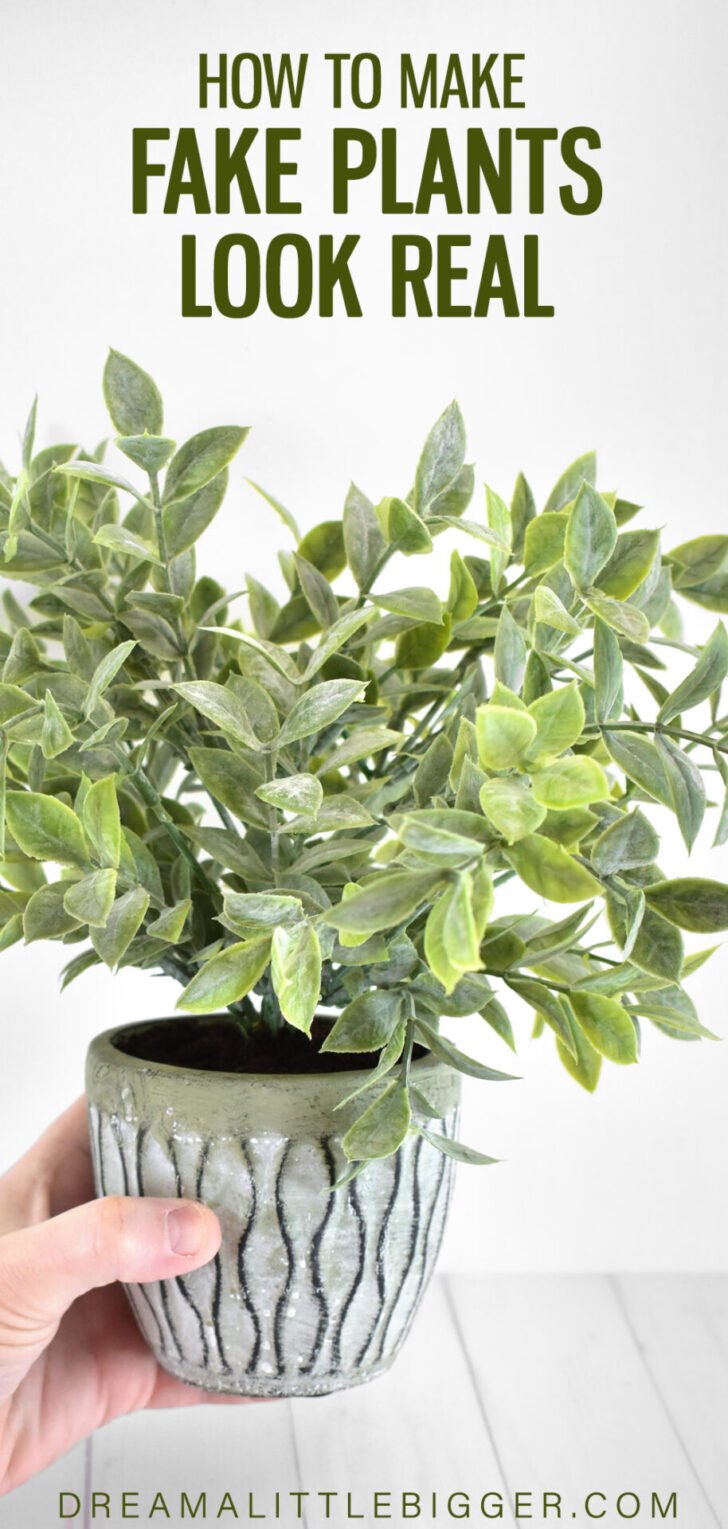
Wall planters bring life and color. They soften the wall and improve air quality. They also add texture and a sense of care. Start small if you are new to plants. One or two planters can be enough.
What to choose:
- Lightweight planters with flat backs.
- Woven pockets, ceramic cups, or metal frames with pots.
- Self-watering planters if you travel.
Plant picks that thrive indoors:
- Pothos: forgiving and trailing.
- Philodendron: easy and lush.
- Snake plant: tough and sculptural.
- String of pearls: delicate and eye-catching.
- Dried stems if you want no-maintenance texture.
How to hang:
- Map your layout with painter’s tape.
- Use anchors for heavier pots.
- Keep planters away from direct pillow space for safety.
- Place them near light. Most plants love bright, indirect light.
Watering tips:
- Water in the sink. Let drip dry. Rehang once it stops.
- Use saucers or liners to protect walls.
- Rotate plants once a month for even growth.
Design notes:
- Group two to three planters at different heights.
- Mix one plant with one small art piece for balance.
- Use matching pots for a calm look or mixed finishes for a boho vibe.
Renter-safe route:
- Try command hooks with lightweight planters filled with dried stems or faux greenery.
- Use a hanging rail with hooks if drilling is not allowed.
Budget ideas:
- Upcycle tin cans. Wrap with jute. Hang with a screw eye.
- Use test tubes in a wall rack for simple propagation displays.
Budget tip: use second-hand or handmade pieces
You do not need to spend much to fill a wall with style. Second-hand and handmade items add soul and save money. They also make your room unique. No one else will have the same mix. The result is warm, personal, and timeless.
Where to look:
- Thrift stores: frames, mirrors, fabric, and baskets are common finds.
- Habitat ReStore: cheap lumber, hardware, and sometimes décor.
- Yard sales and flea markets: art, textiles, odd gems.
- Buy Nothing groups: post the size you need. Someone often has it.
- Facebook Marketplace and Craigslist: search “frames,” “mirror,” “shelf,” “tapestry,” or “poster hanger.”
- Etsy and local craft fairs: affordable handmade prints and textiles.
How to shop smart:
- Measure your wall first. Bring the numbers with you.
- Carry a small tape measure and painter’s tape.
- Check frames for warping. Make sure glass is not chipped.
- Ignore color if the shape is right. You can paint frames and shelves.
- Look for sets of frames to build a quick, cohesive gallery.
- Frame fabric: cut a piece of an old curtain or tablecloth. Instant art.
- Paint old frames the same color for a matching set.
- Turn an old drawer into a shallow shelf with a few screws.
- Use scrap wood to make a poster hanger with two strips and magnets.
DIY framing on the cheap:
- Buy mats online. A mat makes even a simple print look high-end.
- Use poster hangers for large art. They are cheaper than big frames.
- Print images at home or at a local print shop on matte paper.
Negotiation tips:
- Be kind and direct. Offer cash and a pick-up time.
- Ask for a small discount if you buy more than one piece.
- Check for sales on holiday weekends at thrift stores.
Cleaning and prep:
- Wipe frames with a damp cloth. Use glass cleaner on the front only.
- Vacuum or steam textiles before hanging.
- Sand rough wood lightly. Seal with a clear coat if needed.
Make it look intentional:
- Stick to a simple palette: two metals, one wood tone, and two or three main colors.
- Repeat textures. If you have linen on the bed, echo that on the wall.
- Keep breathing room. Do not fill every inch.
Sustainability bonus:
- Buying second-hand reduces waste.
- Handmade supports local artists and small shops.
- Your wall tells a story that grows over time.
Here is a quick budget plan:
- $10–$30: string lights, washi tape, poster hanger, thrifted frame.
- $30–$60: two narrow shelves, basic clock, small mirror set.
- $60–$120: tapestry + lights + a plant, or shelves + frames + prints.
Renter checklist:
- Use removable strips rated for the weight.
- Test in a hidden spot first.
- Patch tiny holes with spackle before you move.
Conclusion
Your bedroom wall does not need a gallery that takes weeks to plan. It needs a calm touch that fits your life. One simple idea can change the whole feel of the room. A big canvas with soft tones. A row of light shelves. A glow of string lights and sweet photos. Simple can still look elegant when you give each piece room to breathe. Start with your goal. Pick one easy project. Add layers only if you need them. Your wall will feel warm, clear, and complete—without a big spend or a big fuss.
FAQ about How To Decorate An Empty Wall In Bedroom
What is the easiest renter-friendly way to fill a blank wall?
Use removable options that do not need drilling. Try string lights with photo clips, poster hangers, or picture ledges mounted with adhesive strips rated for the weight. Lightweight tapestries and fabric hangers also work well. Always test a small strip on a hidden spot first, and watch the weight limits.
How high should I hang art above a bed or dresser?
For a bed, leave 6–10 inches between the top of the headboard and the bottom of the art. For a dresser, hang the center of the art about 57–60 inches from the floor. Keep small sets tight, with 2–3 inches between frames. The goal is a visual link to the furniture so the wall feels connected, not floating.
How do I make a small bedroom feel bigger using wall decor?
Choose one large piece instead of many tiny items. Use mirrors to reflect light. Keep colors light and cohesive. Add vertical lines like a tall tapestry or a slim shelf stack to draw the eye up. Avoid heavy, dark clusters that close in the space. Leave some empty wall space for breathing room.
Can I mix different frame styles and still look neat?
Yes, but keep a theme. Match either color, material, or shape. For example, use all black frames in different shapes. Or use all wood frames in one tone. Keep spacing consistent and align the centers at one height. A repeating mat size also helps tie everything together.
What if I am on a tight budget?
Focus on one simple project first. Print free art from public domain collections. Thrift frames and paint them one color. Use poster hangers and a DIY abstract print made with leftover paint. A string light and photo display is also cheap and cozy. Build slowly. A few good pieces beat many random items.
How do I avoid making the wall feel cluttered?
Choose a focal point and give it space. Limit your color palette to two or three main tones. Use sets or grids to create order. Keep consistent spacing between items. Step back after each piece and check balance. If it feels crowded, remove one thing. Empty space is part of the design.