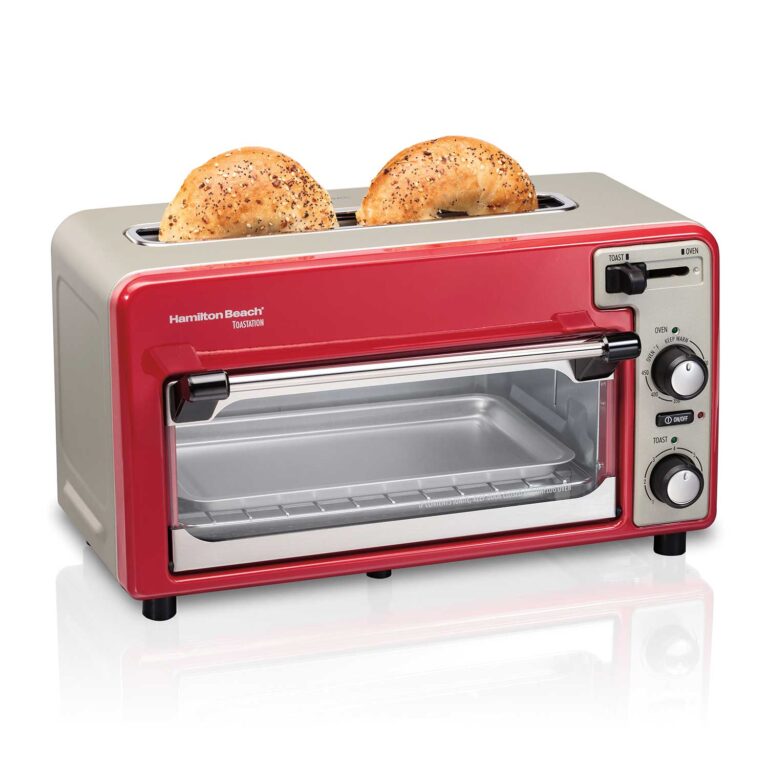
The best convection oven for most homes in the United States is a well-insulated countertop convection toaster oven with a true fan, easy controls, and enough space for your usual meals. It can roast, bake, broil, toast, and often air-fry without heating the whole kitchen like a full-size oven.
There is no single best model for every U.S. household. A family that cooks large casseroles may need a wall oven. A renter may need a countertop unit. A serious baker may value steady temperature control more than an air-fry setting.
This guide explains how convection works, which oven type fits each need, what features matter, and which common claims deserve caution. Product features and prices can change, so check the current manual and warranty before you buy.
Quick answer: Which convection oven is best?
For most U.S. shoppers, the best choice is a countertop convection oven with a large interior, a quiet fan, a temperature range of at least 150°F to 450°F, and separate bake, broil, toast, and convection settings.
Choose based on your main task:
| Your main need | Best oven type | Why |
|---|---|---|
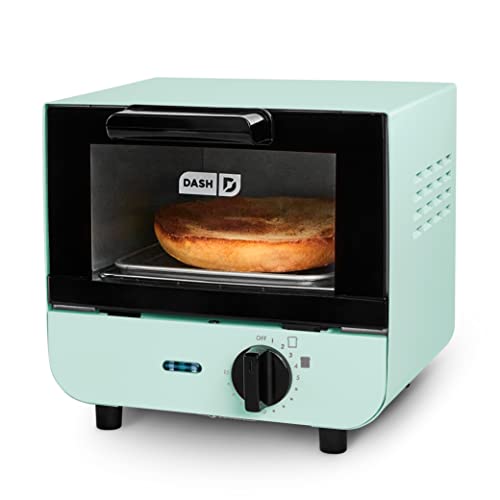
| Small meals and limited space | Compact countertop convection oven | Uses less space and often less energy for small batches |
| Toast, pizza, reheating, and air frying | Convection toaster oven | Versatile and easy to use |
| Large roasts and family meals | Full-size range or wall oven | Holds larger pans and multiple racks |
| Baking bread, cakes, and pastries | Oven with stable heat and good temperature control | Even heat matters more than many preset modes |
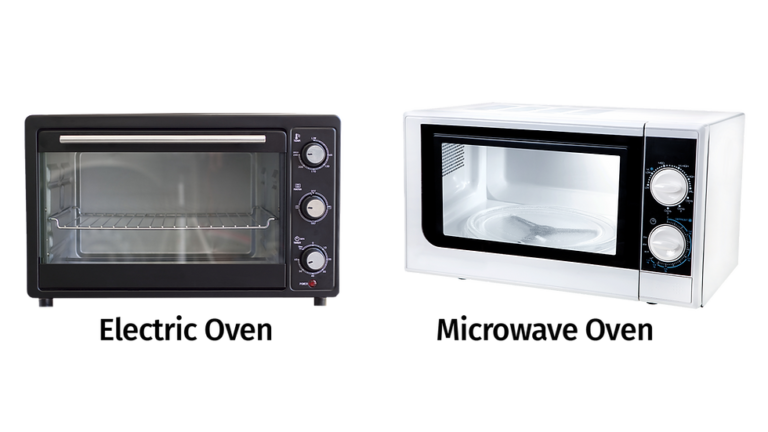
| Replacing a microwave and small oven | Countertop oven with microwave function | Saves counter space, but usually costs more |
| Built-in kitchen design | Convection wall oven | Offers large capacity and a clean installation |
The right question is not only, “What is the best convection oven?” It is also, “What food do I cook, how much space do I have, and what electrical setup can I use?”
What is a convection oven?
A convection oven uses a fan to move hot air around the food. This air movement can improve browning and help food cook more evenly than in a conventional oven with still air.
Many U.S. ovens use one of two designs:
- Standard convection: A fan moves air around the chamber.
- True or European convection: A heating element sits near the fan and adds heat to the moving air.
“True convection” is a useful feature, but it does not guarantee better results in every recipe. Oven shape, insulation, fan speed, rack position, and temperature accuracy also matter.
What does convection do to cooking time?
Convection may cook food faster or brown it more quickly. A common starting point is to reduce the recipe temperature by 25°F or check the food earlier. Do not apply this rule blindly.
The best method is to:
- Start with the recipe’s stated temperature.
- Use the oven’s convection guidance if the manual provides it.
- Check the food before the expected finish time.
- Use an instant-read thermometer for meat and poultry.
A fan can dry delicate food if the heat is too high or the food is left in too long. It can also move light items, such as parchment paper, if they are not held down by food.
What does convection not do?
Convection does not make every food crisp. Crisp results also depend on:
- Surface moisture
- Oil or fat
- Food size
- Pan material
- Air space around the food
- Cooking temperature
- Time
A crowded basket blocks airflow. A covered casserole gains little from moving air because the cover limits surface browning.
Countertop convection oven vs. wall oven
A countertop convection oven is best when you want flexibility, lower upfront cost, and fast cooking for small or medium portions. A wall oven is better when you cook large meals or want a permanent built-in appliance.
Countertop convection ovens
Countertop models usually work with a standard U.S. household outlet. Many use a 120-volt circuit, but you should confirm the electrical rating on the product label and manual.
Advantages:
- Lower purchase cost than a built-in oven
- Easy to move or replace
- Fast preheating for small meals
- Useful for toast, pizza, vegetables, and reheating
- May use less energy for small portions
Limits:
- Small cooking chamber
- Less room for large pans
- More heat and noise near the counter
- May require space around the sides and top
- Interior temperatures can vary by rack position
Never place a countertop oven inside a cabinet while it is operating unless the manufacturer specifically approves that installation.
Wall ovens and convection ranges
A full-size convection oven is a better fit for large households, frequent baking, and holiday cooking. It can hold larger cookware and often provides two racks with more usable space.
Advantages:
- Large capacity
- Better fit for roasting and family meals
- More room for multiple dishes
- Built into the kitchen
- Often paired with a cooktop or range
Limits:
- Higher purchase and installation cost
- May need a dedicated electrical circuit
- Harder to replace or relocate
- Preheats more slowly for small meals
- Repair work may require a trained technician
A wall oven should be installed according to the manufacturer’s instructions and local electrical and building requirements. Do not assume an old oven connection will support a new model.
Air fryer oven vs. convection oven
An air fryer is a small, high-airflow convection appliance. A convection oven is usually larger and more flexible.
An air fryer may brown a small batch of fries or wings quickly. A convection oven may handle a pizza, casserole, or full pan of vegetables better. Many countertop convection ovens include an air-fry mode, but the result depends on fan design, basket shape, and how much food you load.
How to choose the best convection oven
The best convection oven should match your cooking habits, kitchen, and available power. Use the following factors in order.
1. Measure the available space
Measure the width, depth, and height of the space. Then compare those measurements with the oven’s full listed dimensions, including the handle and rear clearance.
For a countertop model, also check:
- Required space above the oven
- Required space on each side
- Distance from cabinets
- Door swing
- Vent location
- Clearance from curtains and other heat-sensitive items
A model that fits the countertop may not fit under a cabinet when the door is open.
2. Select the right capacity
Manufacturers may list capacity in quarts, cubic feet, rack positions, or pan size. These measurements are not always directly comparable.
A better question is: What is the largest pan you need to use?
Common needs include:
- 9-by-13-inch baking dish
- 12-inch pizza
- Standard loaf pan
- Whole chicken
- Two racks of cookies
- Large roasting pan
For a countertop model, confirm that the pan fits with room for airflow. A pan that touches the walls can block circulation and cause uneven cooking.
3. Check temperature control
A useful convection oven should provide clear temperature settings and an oven timer. Better models may include:
- Digital temperature display
- Preheat signal
- Separate top and bottom heating controls
- Temperature probe
- Adjustable fan settings
- Saved cooking programs
Do not assume that a digital display means perfect accuracy. A separate oven thermometer can help you check the actual temperature. Place it near the center of the rack and compare the reading during a full preheat cycle.
4. Look for useful modes, not long feature lists
Useful modes may include:
- Bake
- Convection bake
- Broil
- Toast
- Roast
- Proof
- Warm
- Air fry
- Dehydrate
Choose only the modes you will use. A dozen presets cannot fix poor airflow or inaccurate heat.
5. Consider cleaning and maintenance
A removable crumb tray is one of the most useful features in a countertop oven. It makes cleaning safer and helps reduce smoke from old food.
Look for:
- Removable racks
- Removable crumb tray
- Smooth interior surfaces
- Dishwasher-safe accessories, if stated by the manual
- Clear cleaning instructions
- Accessible door glass
Do not cover the oven floor with foil unless the manual allows it. Foil can block airflow, reflect heat toward the wrong surface, or damage the appliance.
6. Review the warranty and service options
A warranty does not prove that an oven will last longer. It does show what the manufacturer promises to cover and for how long.
Before buying, check:
- Warranty length
- Parts coverage
- Labor coverage
- Authorized repair options
- Return period
- Availability of trays and racks
- App or subscription requirements
For a built-in oven, service access matters more because installation and repair can be costly.
Important convection oven features compared
The table below separates features that can change daily use from features that mainly add convenience.
| Feature | Practical benefit | Limitation |
|---|---|---|
| True convection | Adds heat near the fan and may improve airflow and browning | Does not ensure even temperature in every oven |
| Large interior | Fits bigger pans and meals | Uses more counter or kitchen space |
| Dual heating elements | Can help with baking and broiling control | Results depend on design and calibration |
| Digital controls | Easy to set exact time and temperature | Electronics may be harder to repair |
| Mechanical controls | Simple and often easy to understand | May provide less precise settings |
| Temperature probe | Helps monitor the center of meat | Probe placement and calibration still matter |
| Air-fry basket | Lets hot air reach more food surface | Small basket may limit batch size |
| Interior light | Helps check food without opening the door | Light does not improve cooking |
| Wi-Fi control | May allow alerts or remote monitoring | Remote control cannot replace safe supervision |
| Self-clean cycle | Can reduce manual scrubbing in some full-size ovens | Produces very high heat and needs careful use |
The most valuable features are usually capacity, temperature control, airflow, safe clearances, and easy cleaning. A screen or phone app should come after those basics.
Best convection oven types for different users
Best for renters and small kitchens
Choose a compact countertop convection toaster oven. Look for a model that fits your most-used pan and has a removable crumb tray.
Avoid buying the smallest unit if you often cook frozen pizza, casseroles, or meal-sized portions. A slightly larger model may be more useful than a tiny oven with many presets.
Best for families
A large countertop oven or full-size convection range usually works better. Check whether it can hold a 9-by-13-inch dish or the roasting pan you use most.
If you cook several dishes at once, rack spacing matters as much as total capacity.
Best for baking
Choose steady heat, clear temperature control, and enough rack space. A convection fan can help with cookies and roasted foods, but delicate cakes and soufflés may need a recipe written for convection or a standard bake mode.
Use light-colored pans when you want less browning. Dark pans absorb more heat and can brown food faster.
Best for roasting meat
Choose an oven that can hold the roast without touching the walls. A temperature probe is useful, but an independent thermometer can still help verify results.
Use the internal temperature recommended by the U.S. Department of Agriculture. Color and cooking time alone cannot confirm that meat is safe.
Best for air frying
Choose a model with strong airflow, a perforated basket, and enough room to spread food in one layer. Small batches often crisp better than crowded batches.
Turn or shake food when the instructions call for it. Clean grease from the tray and interior after use to reduce smoke and odor.
How to get better results from a convection oven
Use these steps when you first bring home the oven:
- Read the manual. Confirm clearances, cookware limits, rack positions, and cleaning rules.
- Run the first-use cycle if required. Some new ovens may have a temporary manufacturing odor.
- Check the temperature. Use an oven thermometer during preheating.
- Start with a simple food. Try toast, vegetables, or a small tray of biscuits.
- Leave space around the food. Air must move over the surface.
- Use the center rack when unsure. It is often a useful starting point.
- Check food early. Convection can shorten cooking time.
- Rotate the pan if the manual or recipe suggests it.
- Clean crumbs and grease after the oven cools.
- Record settings that work. Your oven may need a slightly different time than the recipe states.
Signs the oven is working well
You should see:
- Even browning across the pan
- Similar results from one batch to the next
- A working preheat signal
- A fan that runs as described in the manual
- No unusual smoke after the first-use period
- A door that closes fully
- Controls that respond correctly
What to check when food cooks unevenly
Uneven food does not always mean the oven is defective. Check these causes first:
- The pan is too large
- The food is crowded
- The rack is too close to a heating element
- The oven was not fully preheated
- The fan is blocked
- The door was opened often
- The recipe needs a convection adjustment
- The oven temperature is inaccurate
If the oven smells like burning plastic, trips a breaker, sparks, damages the cord, or becomes hot outside the areas described in the manual, stop using it and contact the manufacturer or a qualified technician.
Common convection oven mistakes
Using the same temperature and time without checking
Some recipes need a lower temperature or shorter cooking time in convection mode. Start checking early, then adjust based on the result.
Crowding the pan
Crowding traps moisture. It also blocks the fan. Spread food out or cook in two batches.
Covering food that needs browning
A lid or tight foil cover prevents the moving air from reaching the surface. Cover food only when the recipe calls for it.
Placing foil on the oven floor
Foil can interfere with airflow and reflect heat. Follow the manual instead.
Ignoring the electrical load
Do not use an extension cord unless the manufacturer specifically permits it. A high-wattage appliance should connect to a properly rated outlet.
Treating an air-fry mode as a guarantee
An “air fry” label does not reveal the fan speed, basket size, or heating pattern. Judge the feature by usable capacity and results, not by the name alone.
Opening the door too often
Each opening releases heat. Look through the window when possible and use the light.
How much should you spend?
Price varies by size, controls, brand, installation, and included accessories. A higher price may provide more capacity, stronger construction, or better controls. It does not automatically provide more accurate heat.
Consider the total cost:
- Purchase price
- Installation
- Cookware and accessories
- Electricity
- Replacement trays or racks
- Repair
- Counter or cabinet changes
For a countertop oven, buy the largest model that fits safely and that you will use often. For a built-in oven, include professional installation and electrical work in the budget.
A simple value test
Ask three questions:
- Will the oven fit my largest common dish?
- Will I use at least three of its cooking modes?
- Can I clean, operate, and service it without difficulty?
If the answer to any question is no, a cheaper or simpler oven may be the better choice.
Safety rules for convection ovens
Follow the product manual first because clearances and operating rules differ by model.
Key safety practices include:
- Keep the oven on a stable, heat-resistant surface.
- Maintain the listed clearance around the appliance.
- Keep towels, paper, curtains, and plastic away from hot surfaces.
- Do not leave high-fat foods unattended.
- Use oven mitts when handling hot trays.
- Let the oven cool before cleaning.
- Unplug a countertop oven before cleaning the exterior.
- Do not immerse the appliance in water.
- Keep children away from the hot door and racks.
- Use a food thermometer for meat, poultry, and other foods that need a safe internal temperature.
- Stop using the oven if the cord, plug, door, or controls show damage.
A convection fan does not make unsafe food safe. It only moves hot air.
Key takeaways
- The best convection oven depends on your space, cooking volume, and main foods.
- A countertop convection toaster oven suits many U.S. homes.
- A full-size wall oven or range is better for large meals and built-in kitchens.
- Capacity, airflow, temperature control, and cleaning matter more than extra presets.
- True convection can help, but it does not guarantee perfect results.
- Check recipe doneness early and use a thermometer for meat and poultry.
- Confirm electrical needs, clearances, warranty terms, and replacement parts before buying.
Frequently asked questions
Is a convection oven better than a regular oven?
Neither is better for every task. Convection can improve browning and may shorten cooking time. A regular bake setting may work better for some delicate foods or recipes written for still air.
Can I use aluminum foil in a convection oven?
You may be able to use foil on a pan, but the manual controls the answer. Do not place foil on the oven floor or near heating elements unless the manufacturer clearly allows it.
Does convection use less electricity?
A convection oven may use less energy for some foods because it can cook faster or at a lower temperature. Actual energy use depends on wattage, preheating, cooking time, food size, and how often the door opens.
Can I bake bread in a convection oven?
Yes, but results depend on the bread style and oven. Convection may brown the crust faster. You may need a lower temperature, a shorter bake, or a standard bake mode for delicate dough.
Do I need an air fryer if I have a convection oven?
Not always. A convection oven with a suitable basket can perform similar tasks. A separate air fryer may be faster for small portions because its chamber is smaller and airflow is concentrated.
How do I know if my convection oven temperature is accurate?
Place an oven thermometer near the center of the rack and let the oven complete a full preheat. Compare the reading with the display over several heating cycles. If the difference is large or inconsistent, contact the manufacturer before changing the calibration.
Final recommendation
For most U.S. households, choose a countertop convection toaster oven that fits your largest regular pan, has a true fan or clearly documented convection system, offers dependable temperature and timer controls, and includes a removable crumb tray.
Choose a full-size convection wall oven or range when you regularly cook large meals, use multiple racks, or need a permanent kitchen appliance. The best model is the one that fits your space, power supply, cookware, and cooking habits—not the one with the longest feature list.