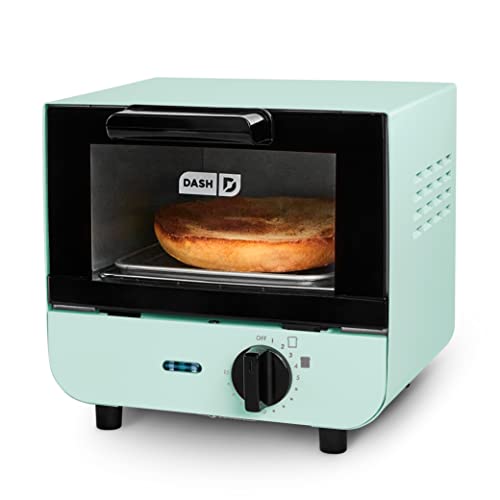
The smallest practical toaster for a U.S. kitchen is usually a one-slice mini pop-up toaster. Most models are about 6 to 8 inches wide, 5 to 7 inches deep, and 3 to 8 inches tall. The Dash Mini Toaster is one well-known example, but product sizes can change by model and release.
There is no single toaster that is always proven to be the smallest. A true comparison must use the same measurements, such as width, depth, height, and usable slot size. A toaster may have a small body but still need extra room around it for heat, the power cord, and safe use.
This guide explains the smallest toaster types sold in the United States, how to compare them, and what to check before buying one.

Quick answer: What is the smallest toaster?
The smallest full electric toaster is generally a one-slot, one-slice toaster. It is smaller than a standard two-slice toaster because it has one heating chamber and one control set.
For most U.S. homes, the best answer is:
- Type: One-slice pop-up toaster
- Typical width: About 6 to 8 inches
- Typical depth: About 5 to 7 inches
- Typical height: About 3 to 8 inches
- Power: Often about 500 to 800 watts
- Best use: One person, a dorm room, office, studio apartment, or small RV with a suitable power supply
A one-slice toaster is not always half the size of a two-slice toaster. The motor, lever, controls, crumb tray, and outer shell still take space. The main benefit is a smaller footprint, not a perfect 50% reduction.
The smallest toaster may also have trade-offs. It may toast only one slice at a time, fit narrow bread, offer fewer settings, or have a short cord. Check the listed measurements before you buy.
Smallest toaster types in the United States
The phrase “smallest toaster” can describe several different products. These types are not equal in size or function.
One-slice pop-up toaster
A one-slice pop-up toaster is the smallest common electric countertop toaster. It uses a vertical slot and raises the bread when the cycle ends.
This type is best when you want normal toast with a small counter footprint. It is also the easiest type to use in a dorm, office, or small kitchen.
The main limit is speed. You must make two cycles to toast two slices. Some one-slice models also have a narrow slot that may not accept thick Texas toast, bagels, or large homemade bread.
Mini two-slice toaster
A mini two-slice toaster may be the better choice for two people who often toast bread at the same time. It is usually wider than a one-slice model, but it may have a similar depth.
A small two-slice toaster can make more sense when counter width is available but meal speed matters. Compare the full footprint, not just the number of slots.
Toaster oven
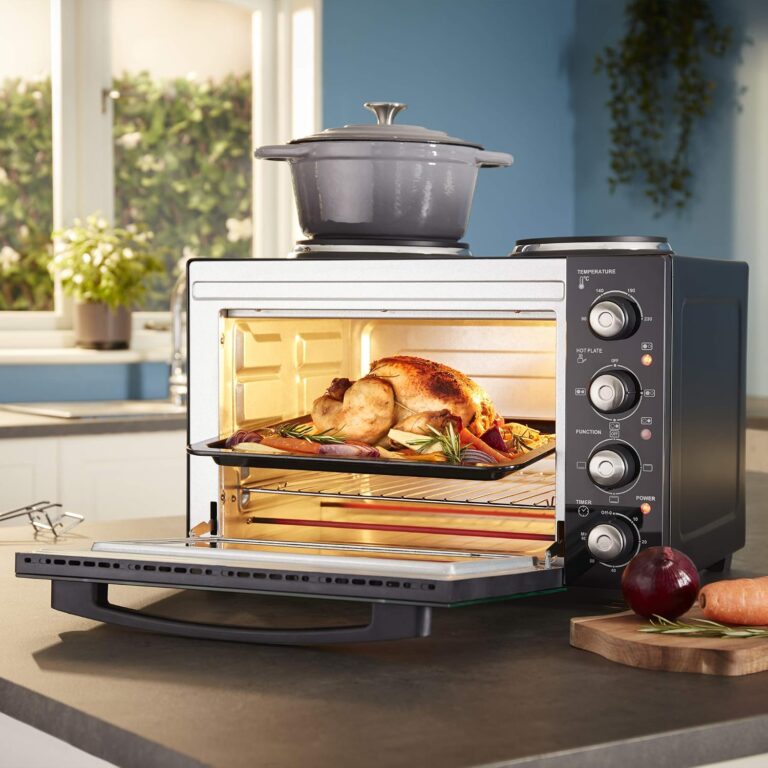
A toaster oven is not usually the smallest toaster. Even compact models need space for a heating chamber, rack, door, and controls.
A toaster oven can toast bread, heat food, and bake small items. It may be more useful than a pop-up toaster, but it normally uses more counter space and takes longer to toast.
Travel or camping toaster
A travel toaster may mean one of two things:
- A small electric toaster made for limited spaces.
- A metal rack that sits over a gas flame or camp stove.
A camping rack is not a plug-in toaster. It requires careful control of the flame and can burn bread or create a fire risk. Never use a flame-based toaster indoors unless the product is specifically approved for that setting and the fuel system is safe for indoor use.

How small is a one-slice toaster?
A compact one-slice toaster often takes up about 30 to 56 square inches of counter space. This estimate comes from a simple calculation:
Width × depth = counter footprint
For example, a toaster that measures 6 inches wide by 6 inches deep has a footprint of about 36 square inches.
Use the manufacturer’s exterior measurements for a fair comparison. Do not compare a product’s width with another product’s width while ignoring depth.
| Toaster type | Common capacity | Approximate footprint | Main benefit | Main limit |
|---|---|---|---|---|
| One-slice mini toaster | 1 slice | 30–56 square inches | Smallest normal electric option | Slow for two people |
| Compact two-slice toaster | 2 slices | 45–80 square inches | Faster for shared use | Needs more width |
| Mini toaster oven | 2–4 slices | 80–150+ square inches | More cooking tasks | Larger and slower |
| Camping toaster rack | 1–2 slices | Varies | No electrical outlet needed | Flame and fire concerns |
These are general ranges, not exact limits. Product shape affects the result. A tall toaster can have a small footprint, while a low toaster can be wide and deep.
Also measure the space where the toaster will sit. Add room for the lever, cord, crumb tray, and your hand. A toaster that technically fits under a cabinet may be hard to use safely.
What is the smallest toaster for a dorm room?
A one-slice electric toaster is usually the smallest practical choice for a U.S. dorm room. It can toast bread without taking the space of a toaster oven.
Before bringing one to a campus, check the school’s housing rules. Many U.S. colleges restrict open heating appliances in dorm rooms. Some allow toasters only in a shared kitchen or approved cooking area.
For a dorm, look for:
- A 120-volt U.S. plug
- A compact body
- An automatic shutoff
- A cool-touch or heat-resistant exterior
- A removable crumb tray
- A slot that fits the bread you eat
- A cord that reaches the outlet without an extension cord
Do not place a toaster near bedding, paper, curtains, or clothing. Keep it on a hard, dry, level surface. Never leave it running while you sleep or leave the room.
A mini toaster does not remove the need for ventilation and fire awareness. Small appliances can still create heat and crumbs can ignite.
What is the smallest toaster for an RV or tiny kitchen?
For an RV or tiny kitchen, size is only one part of the decision. A one-slice toaster saves counter space, but its electrical load still matters.
Many U.S. RVs use a 120-volt system when connected to shore power. Some use an inverter when off-grid. Check the toaster’s wattage and compare it with the inverter’s continuous output.
A simple estimate is:
Runtime in hours = battery watt-hours × inverter efficiency ÷ toaster watts
This is only an estimate. Battery age, temperature, wiring, and inverter losses can reduce actual performance.
For example, a 600-watt toaster can place a heavy load on a small inverter. It may work while connected to shore power but fail when used from a battery system.
For an RV, confirm:
- The toaster voltage matches the RV outlet.
- The inverter can handle the toaster’s wattage.
- The outlet and circuit are rated for the load.
- The toaster has space around it for heat.
- Crumbs cannot fall into a hard-to-clean gap.
- The appliance can be stored securely during travel.
Do not use a household toaster while the RV is moving. Store it after it cools. A compact toaster can become a loose object during sudden braking.
How to choose the smallest toaster that still works well
The smallest body is not always the best choice. Use the following checks before buying.
1. Measure the available space
Measure the counter width and depth. Then measure the height if the toaster will sit under a cabinet.
Leave enough room to:
- Insert and remove bread
- Raise the lever
- Pull out the crumb tray
- Keep the cord away from heat
- Move the toaster away from walls if the manual requires it
A measurement that fits exactly is not a safe fit. Give yourself some working space.
2. Check the slot size
Slot size determines which bread the toaster can handle.
Look for the listed:
- Slot length
- Slot width
- Slot depth
- Number of slots
- Bread centering system
A narrow slot may work well for sandwich bread but struggle with thick slices. If you eat bagels, English muffins, or thick artisan bread, check whether the product supports them.
Do not force oversized food into the slot. Food stuck inside a toaster can cause damage or a fire.
3. Compare wattage
Wattage describes how much electrical power the toaster uses while heating. A lower wattage may reduce the load on a small circuit, but it may also change heating speed.
Wattage alone does not prove better or worse toast. Browning depends on the heating elements, thermostat, bread thickness, moisture, and settings.
For U.S. use, confirm that the toaster is made for 120 volts and 60 hertz unless a qualified electrical professional confirms another setup is safe. Do not use a voltage converter as a casual fix for an incompatible appliance.
4. Look for useful controls
A small toaster may have only a browning dial and a lever. That can be enough for basic toast.
Useful controls may include:
- Cancel
- Reheat
- Defrost
- Bagel mode
- Browning adjustment
Each added control can increase size and cost. Choose only the features you will use.
5. Check cleaning access
A removable crumb tray makes routine cleaning easier. It also helps prevent old crumbs from building up near heating elements.
Unplug the toaster before cleaning. Let it cool fully. Empty the crumb tray often. Do not turn the toaster upside down over a sink, and do not pour water into it.

Smallest toaster versus smallest toaster oven
Choose a one-slice toaster when your main goal is toast and your main limit is counter space. Choose a toaster oven when you need to heat food, melt cheese, bake, or toast several items in different ways.
| Need | Better fit |
|---|---|
| Smallest electric footprint | One-slice toaster |
| Two slices at once | Two-slice toaster |
| Toast and reheating | Toaster oven |
| Bagels and thick bread | Model with a wide slot or toaster oven |
| Battery or inverter use | Low-wattage model after load checks |
| No electrical outlet | Approved camping toaster rack, used outdoors and carefully |
A toaster oven may replace other appliances, so its larger size can be worthwhile. But it is not the smallest option for simple toast.
Think of counter space as a budget. A one-slice toaster spends less of that budget, but it gives up speed and capacity.
Is the smallest toaster safe?
A small toaster can be safe when used as directed. Its small size does not make it risk-free.
Follow these rules:
- Place it on a stable, heat-resistant surface.
- Keep it away from water and sinks.
- Do not operate it under items that can burn.
- Never insert knives, forks, or other metal tools.
- Unplug it before removing stuck food.
- Do not cover it while it is hot.
- Do not use it if the cord, plug, lever, or housing is damaged.
- Do not leave it unattended.
- Keep children away from the hot surfaces.
- Clean crumbs on a regular schedule.
If bread is stuck, unplug the toaster and wait for it to cool. Do not reach into the slot while the toaster is connected to power.
If you see smoke, smell burning plastic, or notice repeated sparking, unplug the appliance if you can do so safely. Stop using it. Do not continue testing it with another cycle.
The U.S. Consumer Product Safety Commission provides product safety information and recall notices. Check the CPSC recall database if a toaster has a known defect, unusual overheating, or a recall notice.

Common mistakes when buying a mini toaster
The most common mistake is choosing by width alone. A toaster can be narrow but deep, tall, hard to clean, or too small for the bread you use.
Avoid these errors:
Buying a one-slice toaster for a large household
One slot saves space but doubles the number of cycles needed for two slices. If several people need breakfast at once, a compact two-slice toaster may save more time.
Ignoring bread thickness
A narrow slot can make a toaster look small on paper. It may not work well with thick bread, bagels, or homemade slices.
Forgetting clearance
The toaster needs more than its exact body dimensions. You need room to operate it and clean the crumb tray.
Using the wrong power setup
A U.S. countertop toaster should match the outlet and electrical system. Do not assume a travel model supports U.S. voltage.
Choosing a tiny toaster with no crumb tray
A crumb tray is not essential for toasting, but it makes cleaning much easier. A hard-to-clean toaster can collect crumbs near hot parts.
Treating “travel size” as a safety rating
“Travel” describes portability or size. It does not automatically mean the toaster is safe in an RV, hotel room, vehicle, or dorm. Follow the product manual and local rules.
Key takeaways
- The smallest normal electric toaster is usually a one-slice pop-up toaster.
- Many compact models measure roughly 6 to 8 inches wide and have a footprint of about 30 to 56 square inches.
- There is no permanent winner for “smallest.” Model dimensions and product versions can change.
- Measure width, depth, and height before buying.
- Check slot size if you eat thick bread or bagels.
- A one-slice toaster saves space but takes longer for two slices.
- A toaster oven offers more functions but needs much more room.
- For U.S. use, confirm the appliance is compatible with 120-volt, 60-hertz power.
- Use the toaster on a clear, dry surface and unplug it before clearing a jam.
FAQs about the smallest toaster
Is a one-slice toaster smaller than a two-slice toaster?
Usually, yes. A one-slice toaster normally has a smaller width and footprint. However, some compact two-slice models may be close in depth or total size, so compare the full exterior dimensions.
Can the smallest toaster toast bagels?
Some can, but many mini toasters have narrow slots. Look for a wide slot and a bagel setting. If the manufacturer does not list bagel support, do not force a bagel into the slot.
What is the smallest toaster for one person?
A one-slice pop-up toaster is usually the best fit for one person who mainly eats toast. It uses less counter space than a toaster oven and avoids paying for cooking functions you may not need.
Can I use a small toaster in a hotel room?
Do not assume that you can. Hotel rules may ban personal heating appliances. A small toaster can still produce heat, crumbs, smoke, and fire risk. Ask the hotel before using one.
Is a mini toaster good for an RV?
It can be, if the RV has a suitable 120-volt outlet or inverter. Check the toaster’s wattage and the electrical system’s limits. Never use it while the RV is moving.
How do I clean a small toaster?
Unplug it and let it cool. Empty the removable crumb tray and wipe the outside with a dry or slightly damp cloth as allowed by the manual. Never immerse the toaster or pour liquid into the slots.
Conclusion: the best smallest toaster choice
For most U.S. buyers, the smallest useful toaster is a one-slice electric pop-up toaster. It is the right starting point for a dorm, office, studio, single-person kitchen, or carefully planned RV setup.
Before buying, compare the full dimensions, slot size, wattage, crumb tray, power rating, and required clearance. If you often toast two slices or need to heat other foods, a compact two-slice toaster or toaster oven may serve you better despite its larger size.
The next step is simple: measure your available counter space, decide how many slices you need at once, and confirm that the toaster matches your U.S. power supply.