Introduction
For readers in the United States, a toaster oven is a small electric oven that sits on a countertop. In the United Kingdom, the same type of appliance is often called a mini oven, countertop oven, or small electric oven. The phrase “toaster oven” is understood, but it is less common in everyday UK speech.
A UK toaster oven can toast bread, bake food, roast small portions, reheat leftovers, and grill some foods. It is larger and more flexible than a pop-up toaster, but smaller than a full-size built-in oven.
The most important difference for US readers is electrical safety. UK models use about 230 volts and 50 hertz and have UK plugs. US toaster ovens use about 120 volts and 60 hertz. A US appliance should not be plugged into a UK outlet with only a simple travel adapter.
What is a toaster oven in the UK?
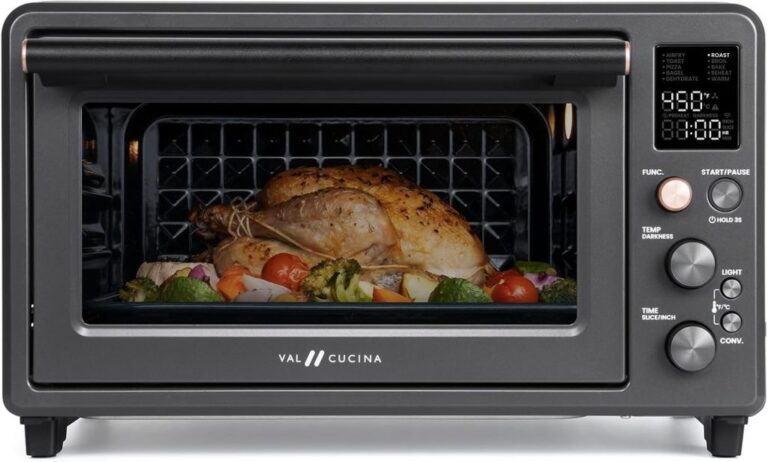
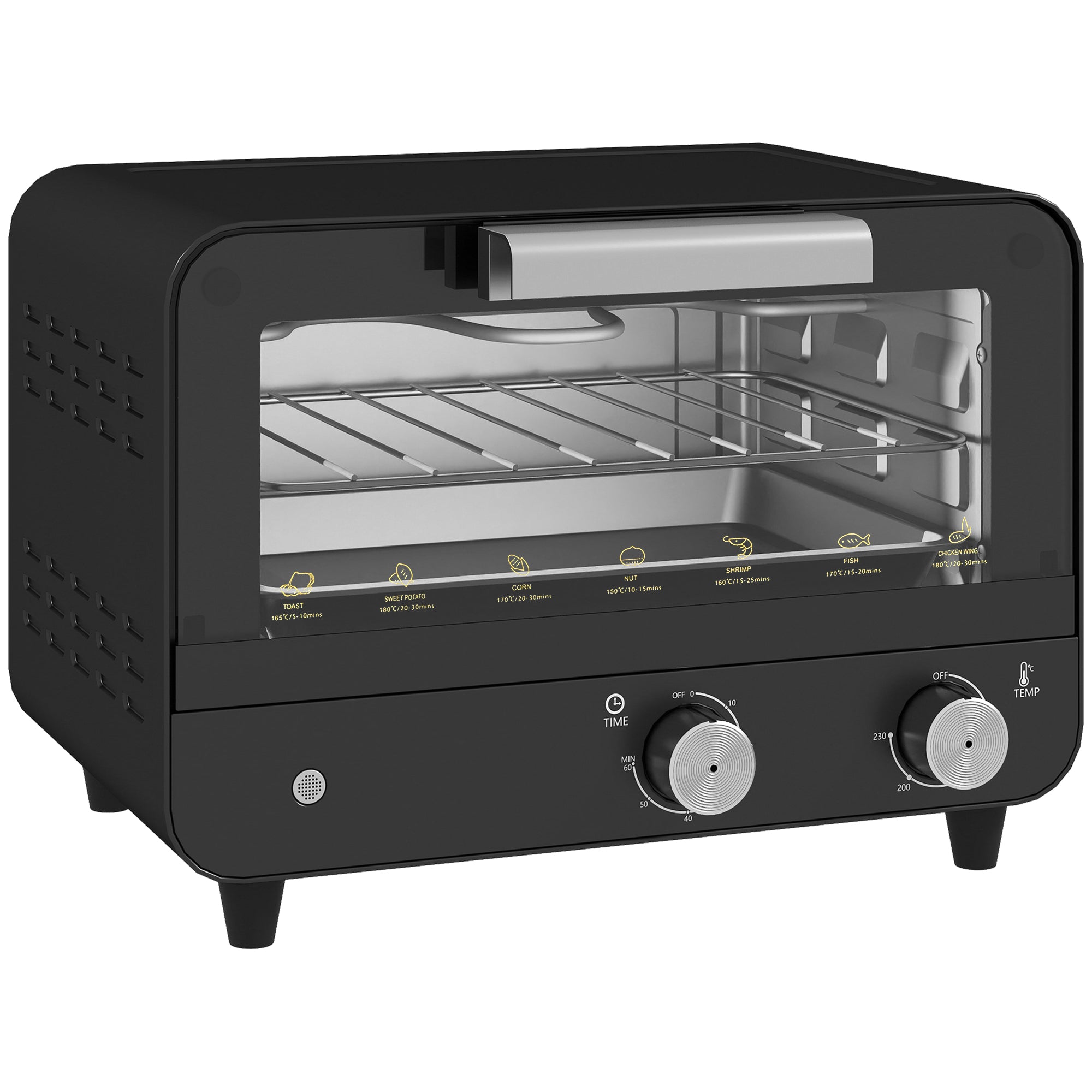
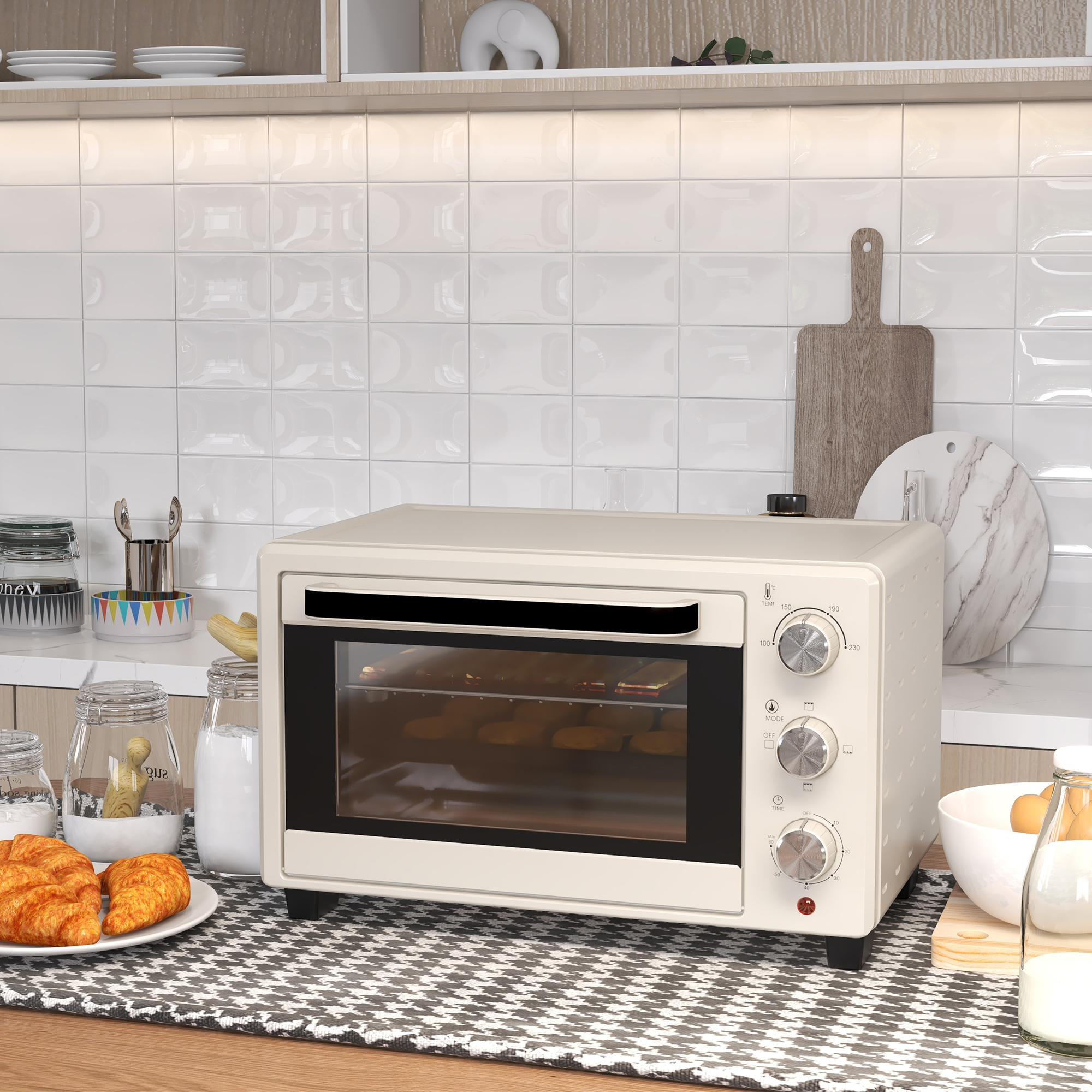
A toaster oven in the UK is a compact countertop oven that uses electric heating elements to cook food. It usually has a small oven chamber, a wire rack, a baking tray, and controls for time and temperature.
Most models offer some mix of these settings:
- Toast
- Bake
- Roast
- Grill
- Reheat
- Fan-assisted cooking
- Convection cooking
- Keep warm
A UK toaster oven may look like a large toaster, but it works more like a small oven. It can heat food on a tray or in an oven-safe dish. It may also brown food from above when used in grill mode.
The term can describe several related appliances. Product listings may use “mini oven,” “countertop oven,” “tabletop oven,” or “compact electric oven.” Always read the listed functions before buying. A small appliance called a “toaster” may only toast bread and may not have an enclosed oven chamber.
What do people in the UK call a toaster oven?
In the UK, mini oven is often the clearest term for a toaster oven-style appliance. Other common terms include:
| UK term | What it usually means |
|---|---|
| Mini oven | A small countertop electric oven |
| Tabletop oven | An oven designed to sit on a work surface |
| Countertop oven | A compact oven used outside a fitted kitchen |
| Small electric oven | A general term for a compact oven |
| Toaster oven | A US term that some UK retailers also use |
| Grill oven | A small oven with a strong top heating element |
| Halogen oven | A different type of countertop cooker that uses a halogen lamp |
“Grill” can cause confusion. In British cooking terms, a grill heats food from above. In the United States, the similar function is often called a broiler. A UK grill setting is not the same as a barbecue grill.
A “mini oven with hob” may also include one or two electric hot plates on top. That appliance can cook on the surface as well as inside the oven.
How does a UK toaster oven work?
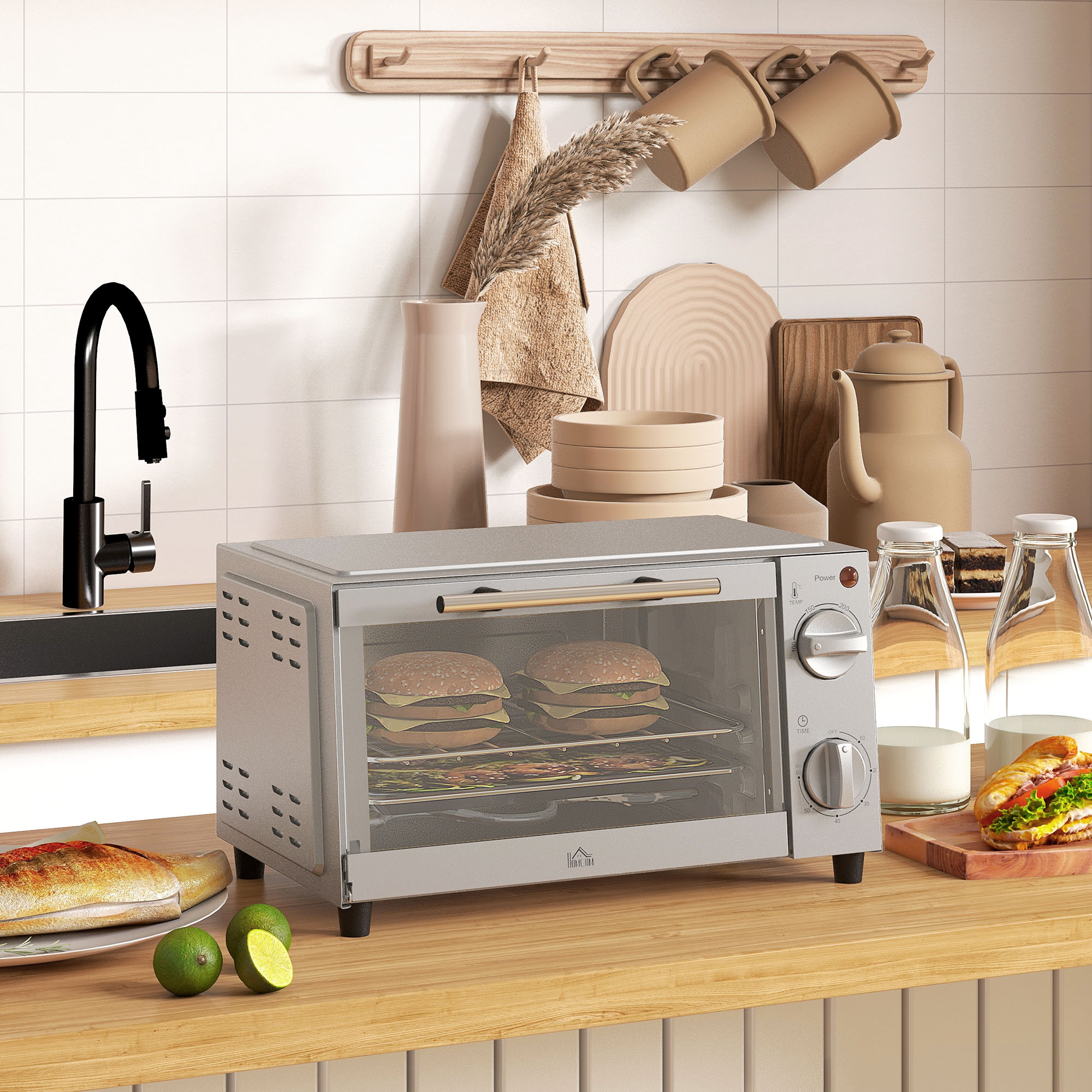
A UK toaster oven cooks with electric heating elements. When you select a temperature, the control system sends power to the elements until the oven reaches the target heat. A thermostat then cycles the elements on and off to help maintain that temperature.
Most models use two main heating areas:
- A top element for browning and grilling
- A bottom element for baking and roasting
Some models use both elements at once. Fan-assisted models add a small fan. The fan moves hot air around the chamber, which can improve heat distribution and help food cook more evenly.
The fan does not always mean you should use the same temperature as a conventional oven. Follow the appliance manual. Some manufacturers advise reducing the temperature for fan cooking, while others give separate instructions.
A toaster oven does not heat in the same way as a microwave. A microwave heats food through microwave energy. A toaster oven heats the air and the food surface with hot elements. This makes it better for crisping bread, pastry, pizza, and roasted food.
What can you cook in a UK toaster oven?
A toaster oven is useful for small meals and small portions. It can often handle:
- Toast
- Crumpets
- Bagels
- Sandwiches
- Pizza
- Pastry
- Sausages
- Fish fillets
- Chicken portions
- Roasted vegetables
- Baked potatoes
- Cookies
- Toasted cheese
- Leftovers
The cooking space limits what will fit. Check the internal dimensions before using a dish. A tray that fits in a full-size oven may not fit in a mini oven.
Do not assume that every model can cook every food. A basic toaster oven may have only a timer and temperature dial. A larger countertop oven may include a fan, digital controls, preset programs, and a rotisserie function.
For best results:
- Check the manual for the correct setting.
- Place food in the center of the rack when possible.
- Leave space around the food for hot air to move.
- Watch food closely during grilling and toasting.
- Use a food thermometer for meat, poultry, and other foods that need safe internal temperatures.
Toaster oven vs. pop-up toaster
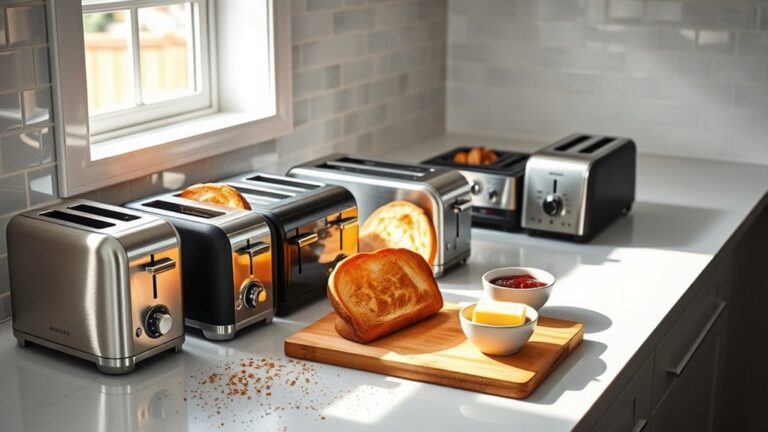
A pop-up toaster is built mainly for slices of bread. A toaster oven has a door, rack, and enclosed cooking space.
| Feature | Pop-up toaster | Toaster oven or mini oven |
|---|---|---|
| Main use | Toasting bread | Toasting, baking, roasting, grilling, and reheating |
| Food size | Bread slices | Small trays and oven-safe dishes |
| Cooking control | Usually simple browning levels | Temperature and time controls |
| Cooking space | Narrow slots | Enclosed chamber |
| Best for | Fast toast | Small meals and varied foods |
| Cleaning | Crumb tray | Tray, rack, chamber, and crumb area |
A pop-up toaster is usually faster for plain toast. A toaster oven is more useful when you want to melt cheese, heat pizza, bake food, or cook a small meal.
Toaster oven vs. UK built-in oven
A built-in oven has more space and usually offers stronger temperature control. It is better for large dishes, family meals, and multiple trays.
A toaster oven may use less energy for a small meal because it heats a smaller chamber. That does not mean every model will cost less to run. Energy use depends on power rating, cooking time, insulation, and the food being cooked.
A simple calculation can help:
Energy used in kilowatt-hours = power in kilowatts × cooking time in hours
For example, a hypothetical 1.5-kilowatt appliance used for 20 minutes would use:
1.5 × 0.33 = about 0.5 kilowatt-hours
The actual cost depends on the electricity rate on your bill. Use the appliance’s rating plate and your current tariff for a more accurate estimate.
A toaster oven is often a good fit when:
- You cook one or two portions.
- You need a second cooking space.
- Your main oven is unavailable.
- You live in a small flat or room.
- You want to reheat food without using a microwave.
A built-in oven is usually better when:
- You cook large meals.
- You need several shelves.
- You use large roasting tins.
- You need precise and stable heat for larger bakes.

UK voltage and plug safety
A UK toaster oven is designed for the UK electrical system. UK household supply is generally around 230 volts at 50 hertz. UK appliances normally use a three-pin plug that follows the UK plug system.
A US toaster oven is normally designed for around 120 volts at 60 hertz. Plugging it into a UK socket can damage the appliance and create a serious fire or electric shock risk.
A basic travel adapter changes the plug shape. It does not change the voltage. A voltage transformer may change voltage, but it may not be suitable for a high-power heating appliance. Toaster ovens can draw substantial power, so do not use a transformer unless its rating, design, and safety certification clearly support the appliance.
For a UK home:
- Buy a model marked for UK voltage.
- Use the supplied UK plug or an approved replacement.
- Do not use an overloaded extension lead.
- Keep the cord away from hot surfaces.
- Do not cover the ventilation openings.
- Follow the manufacturer’s instructions.
Electrical Safety First advises consumers to check electrical products carefully and to avoid unsafe plugs, damaged cords, and counterfeit goods. The UK government also provides product safety guidance through its official product safety resources.
If a plug, cord, socket, or appliance shows burn marks, melting, sparks, or repeated tripping, unplug it if safe to do so and stop using it. Ask a qualified electrician to inspect the electrical problem.
How to choose a toaster oven in the UK
The best model depends on the space, food, and power supply available. Start with the practical limits rather than the largest feature list.
1. Measure the available space
Measure the worktop area and the space above it. Leave the clearance required by the manufacturer. Heating appliances need airflow around their sides, rear, and top.
Also measure the door swing. A model may fit on the worktop but still be awkward to open.
2. Check the internal size
Look for the internal width, depth, and height. Product names such as “large” or “family size” are not exact measurements.
Check whether the oven can fit:
- Your usual baking tray
- A small casserole dish
- A pizza of the size you buy
- A loaf tin
- The food you plan to cook
3. Decide which functions matter
Useful functions may include:
- Adjustable temperature
- A separate timer
- Fan assistance
- Grill mode
- Defrost or reheat mode
- Interior light
- Removable crumb tray
- Multiple rack positions
- Automatic shutoff
Choose functions that match your cooking habits. Extra programs do not guarantee better cooking.
4. Check the power rating
The power rating is usually shown in watts. A higher rating can support faster heating, but it may also place more demand on the circuit.
Check the instruction manual before using an extension lead. Many heating appliances should connect directly to a suitable wall outlet. Never connect several high-power appliances to one overloaded extension strip.
5. Look for clear controls
Simple dial controls can be easy to use. Digital controls may offer more precise settings and preset programs. Either design can work well.
A clear manual matters more than a long list of buttons. It should explain rack positions, cooking modes, cleaning, and safe use.
How to use a UK toaster oven safely
Read the manual before the first use. Remove all packaging, labels, and protective films. If the manufacturer instructs you to run the appliance empty for the first time, follow that process and ventilate the room.
Use only cookware marked as oven-safe. Avoid plastic containers unless the manufacturer clearly approves them for the selected temperature. Glass can break if it is not made for oven use or if it faces sudden temperature changes.
Keep these items away from the heating elements:
- Paper
- Cardboard
- Cloth
- Loose packaging
- Plastic
- Wooden utensils
- Grease and food debris
Do not line the oven floor with foil unless the manual allows it. Foil can block airflow, reflect heat toward the elements, or touch electrical parts. It can also make cleaning problems worse.
Never leave a toaster oven unattended while grilling or toasting food. Grease can ignite under strong top heat. If a grease fire starts, switch off the appliance if you can do so safely, keep the door closed, and never throw water onto the fire. Leave the area and call emergency services if the fire does not stop at once.
Cleaning and maintenance
Unplug the toaster oven and let it cool before cleaning. Remove the rack and tray if the manual allows it. Wash removable parts with suitable soap and water, then dry them fully.
Wipe the inside with a damp cloth. Do not pour water into the oven. Keep heating elements dry. Do not use harsh cleaners unless the manufacturer approves them.
Clean crumbs and grease often. A dirty crumb tray can smoke or catch fire. Check the door seal, cord, plug, and casing for damage.
Stop using the appliance if you notice:
- A damaged power cord
- A loose or cracked plug
- Repeated electrical trips
- Burning smells that do not come from food
- Sparks
- A door that will not close
- Heating elements that stay on after the control is switched off
Do not remove the casing to repair the appliance unless you are qualified to work on mains-powered equipment.
Common mistakes to avoid
Confusing a toaster oven with a pop-up toaster
A pop-up toaster cannot replace a mini oven. Check for a door, rack, temperature control, and enclosed cooking chamber.
Using a US model in the UK
A plug adapter does not make a US appliance safe for UK voltage. Buy a UK-rated model instead.
Blocking airflow
Pushing the appliance against a wall or placing items on top can trap heat. Follow the clearance rules in the manual.
Overfilling the rack
Crowded food can block heat and produce uneven cooking. Use smaller batches when needed.
Ignoring hot surfaces
The door, casing, rack, tray, and nearby worktop can become hot. Use heat-resistant gloves and keep children away during use.
Trusting the timer as a safety control
A timer may shut off the heating elements, but it does not replace supervision. Some models keep fans running or may not fully disconnect from the electrical supply.
Frequently asked questions
Is a toaster oven the same as a mini oven in the UK?
Usually, yes. Both terms often describe a small countertop electric oven. Check the product details because some small appliances have fewer functions than others.
Can I use a US toaster oven in the UK?
Usually, no. US toaster ovens are generally designed for about 120 volts, while UK homes supply about 230 volts. A simple plug adapter is not enough and may create a dangerous condition.
Is a toaster oven cheaper to run than a full-size oven?
It can be for small portions because it heats a smaller space, but the result depends on wattage, cooking time, insulation, and electricity rates. Compare energy use with the calculation provided above.
Can I bake in a UK toaster oven?
Yes, if the model has a bake setting and enough space for the food and cookware. Follow the manual and check the food before the stated cooking time ends because small ovens can cook differently from full-size ovens.
Is a toaster oven safer than a microwave?
Neither is automatically safer. Each appliance has different risks. A toaster oven uses hot surfaces and heating elements. A microwave can heat liquids and food containers in different ways. Follow the instructions for the appliance you are using.
Does a UK toaster oven need a special socket?
It usually needs a suitable UK household outlet that can safely handle its power rating. The manual may advise against extension leads. If the outlet becomes hot, smells of burning, or trips the circuit, stop using the appliance and seek qualified electrical help.
Key takeaways
- A UK toaster oven is usually called a mini oven, tabletop oven, or countertop oven.
- It can toast, bake, roast, grill, and reheat small portions.
- It is more versatile than a pop-up toaster but has less space than a built-in oven.
- UK models use about 230 volts and must not be confused with 120-volt US models.
- Check the internal size, functions, power rating, ventilation needs, and safety instructions before buying.
- Keep the appliance clean, watch it during grilling, and never use water on an electrical or grease fire.
Conclusion
A toaster oven in the UK is a compact electric oven for countertop cooking. The most common UK search term is “mini oven,” but “toaster oven” describes much the same appliance when it includes an enclosed chamber, rack, temperature control, and timer.
For a US reader researching a UK model, voltage is the key issue. Choose an appliance made for the local electrical system, confirm that it fits your cookware and worktop, and follow the manufacturer’s safety instructions.