Learning how to organize a pantry can transform your daily kitchen routine. A messy pantry often leads to wasted food, duplicate purchases, and extra stress when preparing meals. A simple system makes every item easier to find.
From my experience studying home organization methods, the best pantries are not always the biggest ones. They work well because each item has a clear place. American families often store snacks, canned foods, baking supplies, and meal ingredients together, so a practical setup matters.
This guide explains how to organize a pantry with simple steps that fit busy lifestyles. Whether you have a large walk-in pantry or a small kitchen cabinet, these ideas can help you create a space that stays neat.
Start by emptying and Cleaning Your Pantry
The first step in learning how to organize a pantry is to remove everything. Take all cans, boxes, jars, and bags out of the shelves. This gives you a clear view of what you own.
Clean each shelf before putting items back. Dust, crumbs, and spills can build up over time. A fresh surface makes it easier to create a system that lasts.
- ✦ Check expiration dates
Remove expired foods and place older items aside for quick use.
- ✦ Group similar items
Keep pasta, snacks, baking supplies, and canned foods together.
- ✦ Measure your space
Knowing your shelf height and depth helps you choose the right storage tools.
Create a pantry inventory
Before buying organizers, make a simple list of what you use most. This prevents buying storage products that do not match your needs.
Many people discover they have several unopened items hidden behind older products. An inventory helps you shop smarter.
- ✦ Write down frequently used foods
Focus on ingredients your family uses every week.
Create Pantry Zones for Better Organization
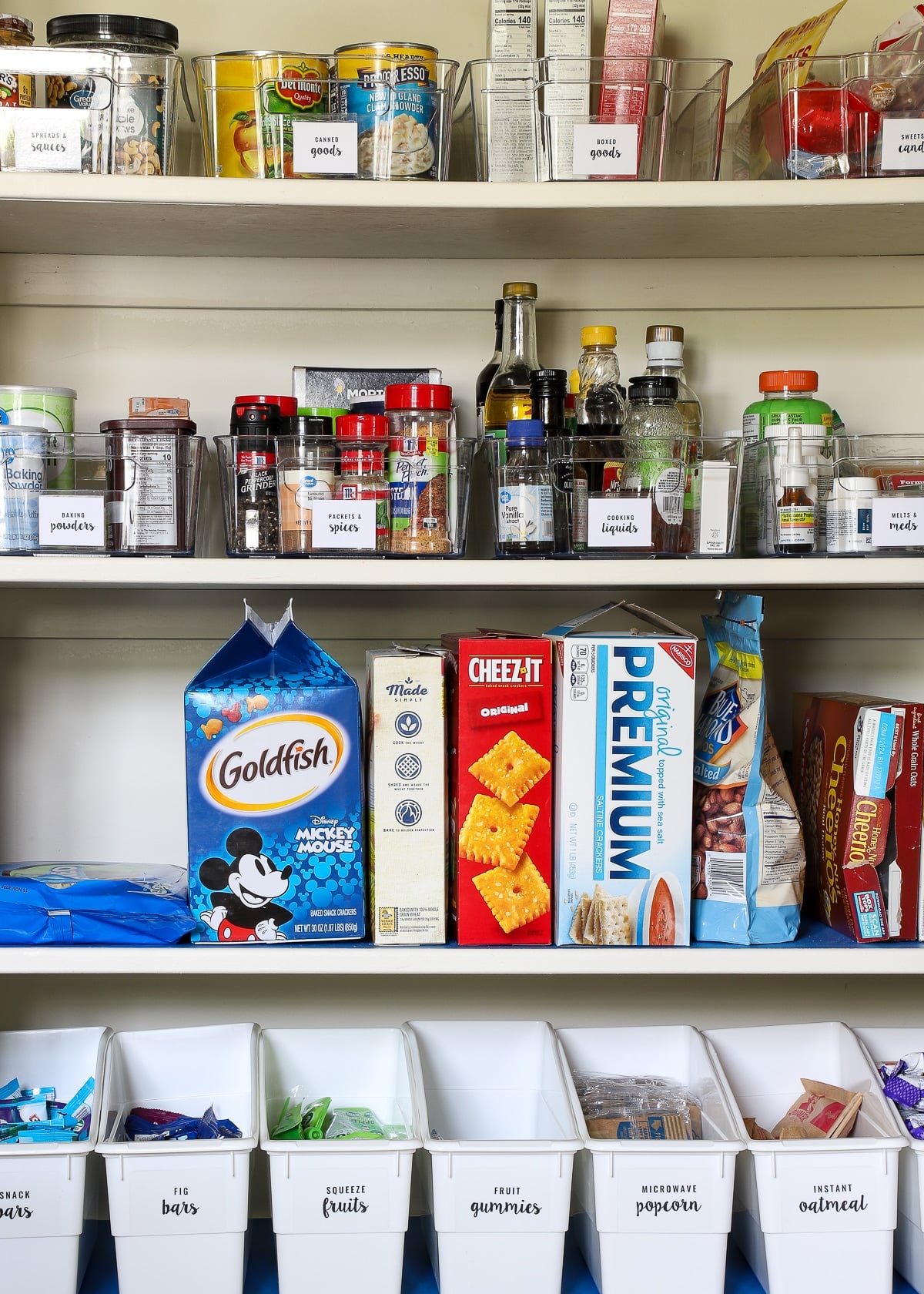
One of the most effective ways to organize a pantry is by creating zones. A zone gives each category of food a specific location. This reduces searching time and keeps shelves organized.
Think about how you cook and use your kitchen. Place everyday items in easy-to-reach areas and store occasional items higher or farther back.

- ✦ Breakfast zone
Store cereal, oatmeal, coffee, and breakfast snacks together.
- ✦ Baking zone
Keep flour, sugar, spices, and baking tools in one area.
- ✦ Snack zone
Create a place for chips, crackers, and family snacks.
Use zones that match your family’s habits
Every household has different needs. A family with children may need a snack area, while someone who cooks often may need a larger spice and ingredient section.
The best pantry system is the one you can maintain without extra effort.
- ✦ Match storage to daily routines
Keep the foods you use most within quick reach.
Choose the Right Pantry Storage Containers
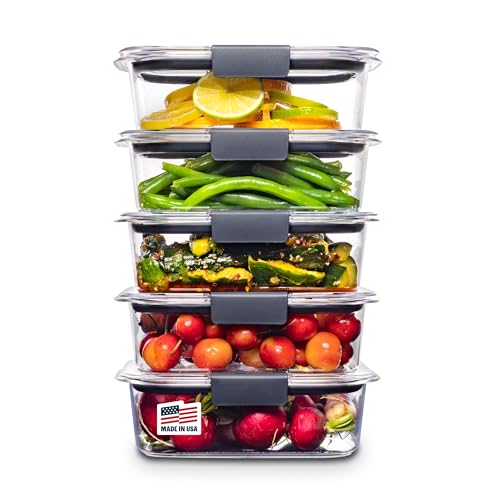
Storage containers can make a pantry look cleaner and help protect food. Clear containers are useful because you can quickly see what you have.
You do not need to replace every package. Start with foods you use often, such as rice, pasta, cereal, and baking ingredients.

- ✦ Clear containers
They make food levels visible and reduce forgotten items.
- ✦ Stackable bins
They help maximize vertical space on pantry shelves.
- ✦ Lazy Susan organizers
They make spices, sauces, and small jars easier to reach.
Label everything clearly
Labels help everyone in the home return items to the correct location. Simple labels work better than complicated systems.
Use clear names that your family understands. This keeps the pantry organized over time.
- ✦ Use simple labels
Choose easy words like pasta, snacks, or baking.
Organize a Small Pantry to Maximize Space
Small pantries can still be functional with smart planning. The goal is to use every inch without creating clutter.
Vertical storage, door racks, and adjustable shelves can increase available space. Small changes often create a big improvement.

- ✦ Use vertical space
Add shelf risers or stackable organizers to create more levels.
- ✦ Use the pantry door
Store spices, wraps, and small items on door organizers.
- ✦ Avoid deep piles
Place items in rows so nothing gets forgotten.
Make small pantries easy to maintain
A small pantry needs frequent attention because space fills quickly. A five-minute weekly reset can prevent major messes.
Return items after shopping and remove empty packages right away.
- ✦ Do weekly checks
Review your pantry before grocery shopping.
Arrange Pantry Shelves Based on Usage
Shelf placement plays an important role when deciding how to organize a pantry. Frequently used items should stay at eye level or within easy reach.
Heavy items should stay on lower shelves for safety. Lighter foods can go higher without creating problems.
:strip_icc()/organize-your-pantry-by-zones-01-a6967797e62242518640385376099ef3.jpg "Organizing Your Kitchen Pantry Cabinets New Kitchen Organization Video")
- ✦ Eye-level shelves
Store daily cooking ingredients and common foods here.
- ✦ Lower shelves
Use them for appliances, bulk items, and heavier containers.
- ✦ Upper shelves
Store seasonal or rarely used products.
Follow the first in, first out method
Place newer products behind older ones. This simple habit helps you use food before it expires.
Many professional kitchens use this approach because it reduces waste and keeps supplies organized.
- ✦ Rotate groceries
Move older items forward whenever you restock.
Maintain Your Organized Pantry Long Term
Knowing how to organize a pantry is only the beginning. Keeping it organized requires small habits that fit your lifestyle.
A pantry does not need daily cleaning. A quick review each week and a deeper reset every few months is usually enough.

- ✦ Restock with a plan
Put groceries away by category instead of placing items anywhere.
- ✦ Remove unused items
Donate unopened foods your household will not use.
- ✦ Adjust your system
Change zones when your cooking habits change.
Build simple organization habits
The easiest systems are the ones that require little effort. Avoid creating a pantry setup that is difficult to maintain.
A practical pantry should support your life, not create more work.
- ✦ Keep it realistic
Choose solutions that match your available time and space.