A toaster oven is a small electric oven that sits on a countertop. It can toast bread, bake food, broil, roast, reheat leftovers, and cook frozen meals. For many U.S. households, its main benefits are lower energy use for small portions, faster cooking, less kitchen heat, and more flexibility than a pop-up toaster.
A toaster oven will not replace a full-size oven for large meals. However, it can be a useful tool for cooking one or two portions without heating a large oven.

Key Takeaways
- A toaster oven works well for small meals, snacks, toast, and reheating.
- It often uses less energy than a full-size oven for small portions because it heats a smaller space.
- It can preheat faster than a standard oven.
- It may keep the kitchen cooler, especially in summer.
- It can replace several small appliances, depending on its features.
- It needs safe placement, regular cleaning, and careful use around children.
- A toaster oven is not always more efficient for large meals or long cooking times.
1. It Can Use Less Energy for Small Meals
The biggest benefit of a toaster oven is its smaller cooking chamber. A full-size electric oven must heat a large cavity, even when you are cooking one piece of toast or a small serving of vegetables. A toaster oven heats less air and usually needs less time to reach cooking temperature.
The U.S. Department of Energy explains that countertop appliances can use less energy than a full-size oven when cooking small meals. The exact savings depend on the appliance, cooking time, temperature, insulation, and food size.
A simple comparison helps:
| Cooking task | Appliance that may be more practical | Reason |
|---|---|---|
| One or two slices of toast | Toaster oven or pop-up toaster | Small cooking space |
| A small frozen pizza | Toaster oven | Less space to heat |
| One baked potato | Toaster oven | Suitable chamber size |
| A large casserole | Full-size oven | More capacity |
| A holiday meal | Full-size oven | Better for many dishes |
| Small leftovers | Toaster oven | Avoids heating a large oven |
These are practical comparisons, not guaranteed energy results. A large toaster oven with long cooking times may use more energy than a smaller model. The best choice depends on the food and the appliance’s rated power.
How to estimate electricity use
You can estimate energy use with this formula:
Energy use in kilowatt-hours = watts ÷ 1,000 × hours of operation
For example, a hypothetical 1,500-watt toaster oven used for 20 minutes would use:
1.5 kilowatts × 0.33 hours = about 0.5 kilowatt-hours
The actual use may be lower because heating elements cycle on and off. Your local electricity rate also affects the cost. Check the label on the appliance and your electric bill for a more accurate estimate.
2. It Preheats Quickly
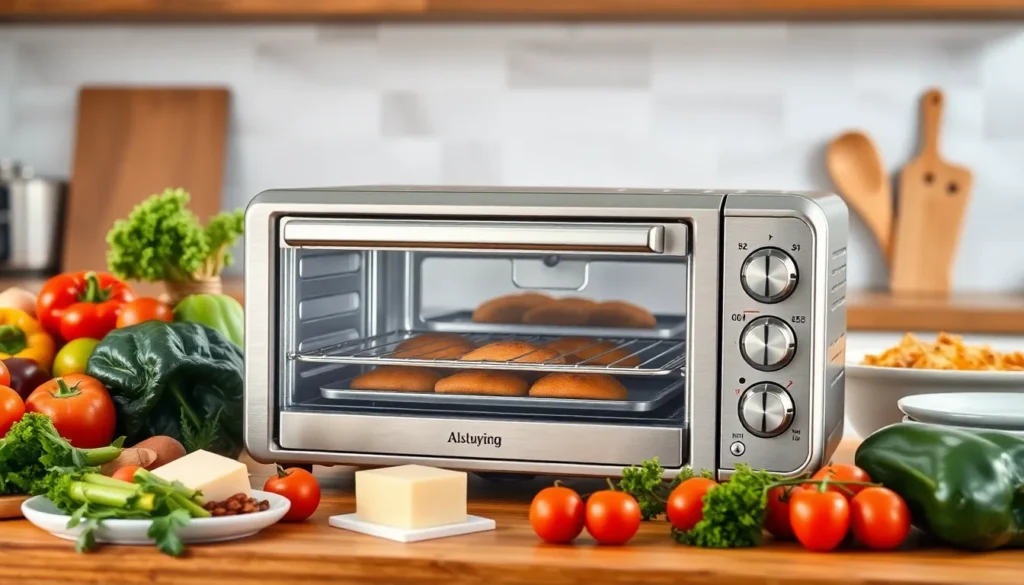
A toaster oven usually reaches cooking temperature faster than a full-size oven. Its smaller cavity gives the heating elements less air to warm.
This saves time when you want to:
- Bake a small batch of cookies
– Reheat pizza - Cook chicken tenders
- Roast vegetables
- Melt cheese on toast
- Warm a sandwich
- Prepare a frozen snack
Some toaster oven recipes need little or no preheating. Still, follow the food package or recipe instructions. Foods such as biscuits, pastries, and baked goods may need a fully heated chamber for even results.
Do not assume that a toaster oven always cooks faster. Dense foods may still need the same internal cooking time as they would in a full-size oven. A smaller appliance can heat the air quickly, but the food still needs enough time to reach a safe and suitable internal temperature.
3. It Offers More Functions Than a Pop-Up Toaster
A pop-up toaster mainly browns sliced bread. A toaster oven can handle many more tasks.
Common settings include:
- Toast
- Bake
- Broil
- Roast
- Reheat
- Convection
- Air fry
- Dehydrate
- Warm
The available settings vary by model. “Air fry” in a toaster oven usually means that a fan moves hot air around the food. Results can differ from those of a dedicated air fryer because the chamber shape, fan strength, basket design, and heating elements are not the same.
A toaster oven may be useful when you want one appliance for several small cooking jobs. It can reduce the need to use a full-size oven, air fryer, broiler, or microwave for certain foods. It does not replace a microwave for every task. A microwave is usually better for quickly heating liquids and moist foods, while a toaster oven is better for crisping and browning.

4. It Reheats Food Without Making It Soggy
A toaster oven uses dry heat. This helps restore crispness to foods that often become soft in a microwave.
It can work well for:
- Pizza
- French fries
- Roasted vegetables
- Breaded chicken
- Garlic bread
- Sandwiches
- Pastries
- Baked pasta with a crisp top
A microwave heats food quickly by exciting water molecules. That speed is useful, but it can make bread and fried foods soft or chewy. A toaster oven takes longer, but dry heat can improve texture.
For best results, place food in a single layer when possible. Use a tray or oven-safe pan. Avoid covering crisp foods with foil unless the recipe or manufacturer instructions support it.
Food safety still matters. The U.S. Department of Agriculture recommends reheating leftovers to 165°F, measured with a food thermometer. Reheating until food feels warm is not a reliable safety test.
5. It Can Keep the Kitchen Cooler
A full-size oven can release a large amount of heat into a kitchen. This may be uncomfortable during hot U.S. summers or in homes without strong air conditioning.
A toaster oven can reduce the amount of heat produced for small cooking tasks because it heats a smaller space and often cooks for a shorter time. It still produces heat, so it is not a cool appliance. Keep space around it clear, and do not place it under cabinets unless the manufacturer allows that setup.
This benefit is most useful when:
- You are cooking one small meal.
- You want to avoid running a large oven.
- Your kitchen is small.
- You live in a warm climate.
- You are preparing food during summer.
- Your home has limited ventilation.
Using a toaster oven may reduce kitchen heat, but it does not automatically lower your total cooling bill. The result depends on the appliance, cooking time, weather, and how often you use air conditioning.
6. It Fits Small Portions and Small Households
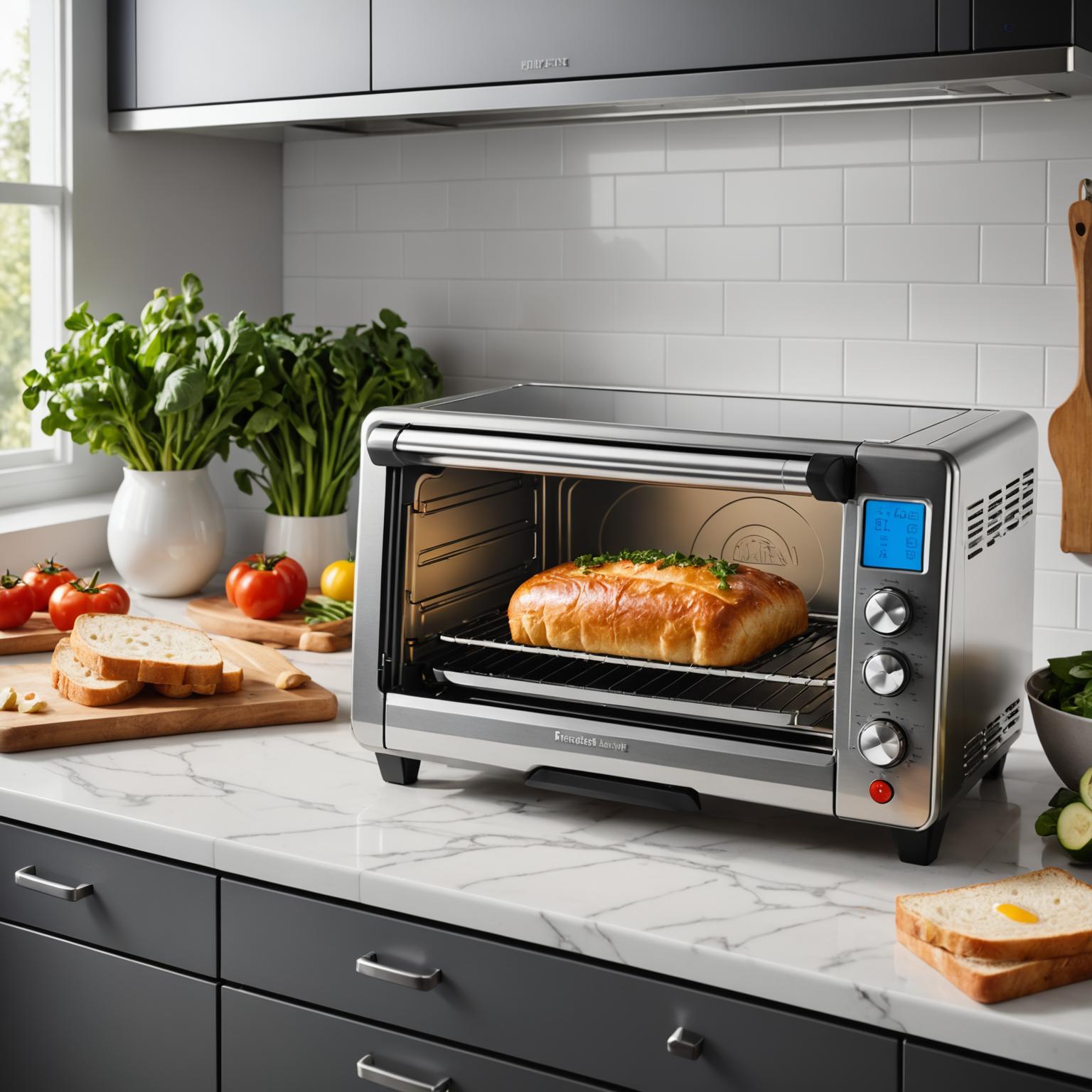
A toaster oven suits people who often cook for one or two people. It can prepare a small meal without leaving a large empty space inside a full-size oven.
This can help:
- Singles and couples
- Older adults
- College students
- People in apartments
- People with small kitchens
- Families preparing separate meals
- Anyone cooking a snack or side dish
The smaller space can also make portion control easier. You can cook one serving instead of preparing a large batch that may lead to waste.
Capacity matters. A compact model may fit toast and small snacks but not a 12-inch pizza or standard baking pan. Check the interior dimensions, not just the outside size. Product labels may list a slice count, but that number does not tell you whether the oven will fit your preferred cookware.
7. It Can Cook Food With a Crisp Finish
Toaster ovens use heating elements that can brown the surface of food. The broil function places strong heat above the food, while bake and convection settings spread heat in different ways.
This makes a toaster oven useful for:
- Browning cheese
- Toasting nuts
- Crisping breadcrumbs
- Roasting vegetables
- Finishing casseroles
- Broiling fish
- Toasting open-faced sandwiches
Watch food closely when using broil. The top surface can brown fast, and food can burn before the center is hot.
Convection models use a fan to move hot air around the cooking chamber. This may improve browning and reduce uneven spots, but it does not guarantee even cooking. Pans, food shape, rack position, and how full the oven is all affect the result.
If a recipe was written for a standard oven, check the toaster oven manual for guidance. Some convection ovens recommend lowering the temperature or shortening the cooking time, but the correct adjustment varies.
8. It Can Be Easier to Use for Daily Cooking
A toaster oven sits at counter height. You do not need to bend down as far as you would with a standard oven. The smaller door and tray may also make simple cooking tasks easier for some users.
This can be helpful for:
- Reheating lunch
- Toasting bread
- Cooking a small snack
- Preparing food without lifting a heavy pan
- Checking food through a glass door
Ease of use depends on the model. Some controls have small labels, bright displays, or complex menus. Others use simple dials. If accessibility matters, look for clear controls, a door that opens smoothly, readable markings, and a tray that slides out safely.
A toaster oven still has very hot surfaces. The door, rack, pan, and food can cause burns. Use dry oven mitts and keep the appliance away from children and pets.
9. It Can Reduce Use of a Full-Size Oven
Using a toaster oven for small jobs can reduce the number of times you turn on a full-size oven. This may save time and reduce wear on the larger appliance.
For example, you may use a toaster oven for:
- Morning toast
- A single baked potato
- One serving of nachos
- A small tray of vegetables
- A piece of fish
- Reheating two slices of pizza
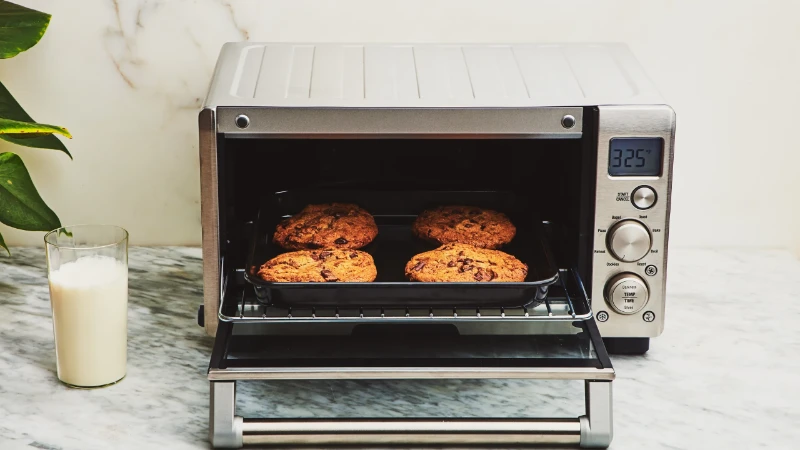
- A small batch of cookies
This does not mean a toaster oven is always the better choice. A full-size oven may be more efficient when you are cooking several dishes at once. If you need to prepare a large meal, using one large oven may take less total time than cooking many small batches.
The useful rule is simple: match the oven size to the amount of food.

10. It May Cost Less to Operate for Light Use
The purchase price of a toaster oven varies by size and features. Operating cost also varies by wattage, cooking time, electricity rate, and frequency of use.
A basic model may cost less to buy than a large countertop appliance with convection, air-fry, digital controls, or special cooking programs. However, a lower purchase price does not guarantee lower long-term cost.
Consider these factors:
- Purchase price
- Power rating
- Cooking time
- Expected service life
- Warranty
- Replacement parts
- Ease of cleaning
- Electricity rate
- Whether the model replaces another appliance
Avoid choosing a toaster oven only because it has the highest wattage or the most cooking modes. More power can mean faster heating, but it can also increase electricity use when the appliance runs for the same amount of time.
11. It Can Help With Meal Planning
A toaster oven can support simple meal routines. You can use it to cook a protein, side dish, or snack while another appliance handles a different part of the meal.
For example:
- Roast vegetables in the toaster oven while rice cooks on the stove.
- Reheat a crisp food while soup warms in a pot.
- Toast bread while eggs cook separately.
- Bake a small portion without filling the main oven.
This flexibility is useful in busy U.S. kitchens, but avoid overloading the appliance. Crowding blocks airflow and can lead to uneven cooking. Use cookware that fits without touching the heating elements.
What Are the Downsides of a Toaster Oven?
A toaster oven has limits that may outweigh its benefits for some households.
Limited capacity
Most toaster ovens cannot cook the same amount of food as a full-size oven. Large pans, tall dishes, and whole poultry may not fit.
Counter space
The appliance takes up permanent or temporary counter space. You also need room around it for ventilation and safe operation.
Uneven cooking
Small ovens can have hot spots. Food close to a heating element may brown faster than food in the center.
More cleaning
Crumbs, grease, and food spills collect inside the chamber. A dirty toaster oven may smoke or produce odors.
Slow cooking for some foods
Although preheating may be fast, thick food still needs time to cook through.
Safety risks
The heating elements, rack, tray, and door can cause burns. Grease can also create smoke or a fire hazard if it builds up.
Not ideal for every dish
A microwave is often better for liquids. A full-size oven is better for large meals. A stovetop may be better for foods that need stirring or boiling.

How to Use a Toaster Oven Safely
Use the toaster oven according to the manufacturer’s manual. Manuals differ in required clearances, cookware rules, rack positions, and cleaning methods.
Follow these basic precautions:
- Place it on a stable, heat-resistant surface.
- Keep the area around it clear.
- Do not cover the appliance while it operates.
- Keep paper, towels, curtains, and other flammable items away.
- Use only cookware rated for oven use.
- Do not place plastic containers inside unless the manufacturer clearly permits them.
- Never put cardboard, paper packaging, or foam food containers inside.
- Clean crumbs and grease after the appliance cools.
- Do not leave broiling food unattended.
- Unplug the appliance when the manual recommends it or when it is not in use.
The National Fire Protection Association advises keeping portable cooking equipment away from items that can burn and staying in the kitchen while cooking. If a grease fire starts, do not use water. Turn off the heat if it is safe to do so and call 911 if the fire does not go out quickly or begins to spread.
Stop using the appliance if the cord, plug, controls, or heating elements show damage. Do not attempt electrical repairs unless you are qualified to perform them safely.

How to Choose the Right Toaster Oven
Choose based on the food you cook most often, not on the longest list of features.
For toast and snacks
A compact model may be enough. Check how many slices fit and whether the controls are easy to read.
For pizza and baking
Look for interior dimensions that fit the pans you already own. A stated “12-inch pizza” capacity may not fit a 12-inch pan with handles.
For air frying
Look for a suitable basket, enough interior height, and clear cleaning instructions. Air circulation needs space around the food.
For family use
A larger model may fit more food, but it also takes more counter space and may use more electricity.
For simple operation
Choose clear dials or large controls if you do not need automatic programs.
For small kitchens
Measure the counter area first. Also check the required clearance above and beside the appliance.
Toaster Oven vs. Full-Size Oven vs. Microwave
The best appliance depends on the task.
| Appliance | Best for | Main strength | Main limit |
|---|---|---|---|
| Toaster oven | Small baked or crisp foods | Versatility and browning | Limited capacity |
| Full-size oven | Large meals and baking | Capacity | More heat and longer preheat |
| Microwave | Fast reheating and liquids | Speed | Does not brown or crisp well |
| Pop-up toaster | Sliced bread | Fast toast | Very limited food range |
| Air fryer | Small crisp foods | Strong air movement | Smaller cooking style and capacity |
These categories overlap. Some toaster ovens include convection or air-fry modes, and some microwaves include convection functions. Read the manual and compare the cooking chamber, not only the marketing name.

Common Toaster Oven Mistakes
Using the wrong cookware
A pan that is too large can touch the heating elements. A pan with plastic parts may melt. Use cookware rated for the temperature and setting.
Ignoring rack position
The top rack may expose food to intense heat. The bottom rack may produce a different result. Adjust the rack based on the recipe and watch the first batch closely.
Crowding the tray
Crowding blocks airflow and can cause steaming instead of browning. Leave space around food when crispness matters.
Treating all foods like toast
The toast setting may use a different heating pattern than bake or broil. Select the setting that matches the food.
Skipping cleaning
Crumbs and grease can smoke. Clean the interior only as the manual directs, and never immerse an electric toaster oven in water.
Relying only on appearance
Chicken, meat, leftovers, and casseroles may look done before they reach a safe internal temperature. Use a food thermometer for foods that require temperature control.
Frequently Asked Questions
Is a toaster oven cheaper to run than a regular oven?
It can be cheaper for small meals because it heats a smaller space and may run for less time. It is not always cheaper. A large toaster oven, long cooking time, or multiple batches can reduce or eliminate the advantage.
Can I use a toaster oven instead of a conventional oven?
Yes, for many small meals and recipes. You may need to adjust the pan size, rack position, temperature, or cooking time. It cannot replace the capacity of a full-size oven.
Is a toaster oven better than a microwave?
Neither is better for every task. A microwave is usually faster for liquids and moist leftovers. A toaster oven is usually better for toast, browning, crisping, and baked foods.
Can I put aluminum foil in a toaster oven?
Follow the appliance manual. Some models allow foil in limited ways, while others restrict it because foil can block airflow, touch heating elements, or create a fire or electrical hazard. Never let foil touch a heating element.
Does a toaster oven need to be preheated?
Some foods need preheating for even baking or browning. Other foods, such as certain leftovers, may not. Follow the food package, recipe, and appliance instructions.
Final Answer: Are Toaster Ovens Worth It?
A toaster oven is worth considering if you often cook small portions, reheat crisp foods, make toast, or want to avoid heating a full-size oven. Its strongest benefits are flexibility, quick warm-up, smaller capacity for small meals, and possible energy savings.
It may not be the right tool if you regularly cook large meals, have very limited counter space, or mainly need to heat liquids. Before buying one, measure your available space, check the interior dimensions, compare the cooking modes, and read the safety instructions.
For most U.S. kitchens, the best approach is to use each appliance for the job it handles best: a toaster oven for small baked or crisp foods, a microwave for fast reheating, and a full-size oven for large meals.