For most U.S. kitchens, the best long slot toaster is a two-slot model with extra-long, extra-wide openings, even browning, simple controls, and enough depth for common American bread sizes. A good default choice is a long-slot toaster from a well-supported brand such as Cuisinart, Breville, or Oster, but the right model depends on your bread, counter space, budget, and need for four-slice capacity.
A long slot toaster is useful for sourdough, Texas toast, bagels, English muffins, artisan loaves, and other bread that may not fit in a standard toaster. It can also toast two regular slices in each slot, which makes some two-slot designs act like four-slice toasters.
This guide explains what to look for, how long-slot models differ, and which features matter more than marketing claims.
What is a long slot toaster?
A long slot toaster has one or two openings that are longer than those on a standard toaster. The extra length lets the toaster hold large slices, long pieces of bread, or two smaller slices side by side.
Most long-slot toasters fall into two groups:
- Two-slot long toasters: Each slot is long enough for two standard slices or one large slice.
- Four-slot long toasters: These have four separate openings, often arranged in two pairs.
A two-slot long toaster is often the better fit for a small U.S. kitchen. It takes up less counter space and can still toast four regular slices if each slot is designed for two slices. A four-slot model offers more control because each pair may have its own browning setting.
Long slot versus wide slot
These terms describe different features:
- Long slot: Helps fit long bread, baguette pieces, and multiple standard slices.
- Wide slot: Helps fit thick bread, Texas toast, bagels, and homemade slices.
- Extra-wide and long slot: Provides the most flexibility.
Do not assume that a long opening is also wide enough for thick bread. Check both measurements in the product manual or specifications.
What makes one model “best”?
There is no single best long-slot toaster for every household. The best model is the one that matches:
- The size and type of bread you use.
- The number of slices you make at one time.
- Your available counter space.
- Your need for separate controls.
- The toaster’s cleaning and safety features.
- The brand’s support and warranty terms.
A toaster that fits large sourdough slices may be less useful for a person who mainly makes frozen waffles. A four-slot model may be wasteful for one person but helpful for a family preparing breakfast together.
Best long slot toaster types for different buyers
The best choice depends on how you use the toaster. The table below compares the main designs.
| Toaster type | Best for | Main benefit | Main drawback |
|---|---|---|---|
| Two-slot, long and wide | Most households | Good flexibility with less counter space | May have one control area for both slots |
| Four-slot long toaster | Families | Toasts more slices at once | Uses more space and power |
| Long-slot toaster with separate controls | Different preferences | Each side can use a different shade | Usually costs more |
| Basic long-slot toaster | Simple daily toast | Lower price and easy controls | Fewer special settings |
| Premium long-slot toaster | Frequent users | Better control and extra functions | High price may not improve basic toast |
Best for most people: a two-slot long and wide toaster
For many U.S. homes, a two-slot long and wide toaster offers the best balance. It can handle regular sandwich bread, larger artisan slices, bagels, and thick bread while keeping the footprint reasonable.
Look for two independent browning controls if two people often want different toast shades. If you usually prepare the same type of toast, one control system may be enough.
Best for families: a four-slot model
A four-slot toaster makes sense when several people eat breakfast at the same time. It can reduce waiting and may let users select different browning levels on each side.
The trade-off is size. Measure the counter from front to back and side to side. Also check whether the controls are easy to reach when the toaster sits under cabinets.
Best for thick bread: a long, extra-wide model
If you bake bread at home or buy thick-cut bread, slot width matters more than slot length. Look for slots that are wide enough for the bread you actually use.
A thick slice should slide down without force. Do not push bread into the slot. Pressure can damage the bread, interfere with the carriage, or make removal unsafe.
Features that matter when choosing a long slot toaster
The most useful features are the ones that improve fit, control, cleaning, and safe use. Extra buttons are less important if the toaster does not brown evenly.
Slot size and bread fit
Start with the bread. Measure a typical slice at its thickest and longest points. Include the crust if it is large or uneven.
Check these specifications:
- Slot length
- Slot width
- Slot depth
- Distance between heating elements
- Whether the slot centers thin and thick slices
- Whether the manufacturer lists bagel or artisan-bread support
A slot that is technically long enough may still leave part of a thick or uneven slice outside the heating area. That can produce pale edges or uneven browning.
Browning control
Most toasters use a numbered dial or electronic control. The numbers are not universal. A “4” on one toaster may produce a different shade than a “4” on another.
The best control is one that gives you repeatable results. Start with a medium setting, then adjust one level at a time. Frozen bread often needs a different setting from fresh bread because it begins colder and contains more surface moisture.
Independent controls
Independent controls are useful when:
- Two people prefer different toast shades.
- You toast regular bread and bagels at the same time.
- One side is used for frozen food and the other for fresh bread.
- You want to toast two slices without heating every slot.
A single control system is simpler and may cost less. It is not automatically worse for consistent, everyday toast.
Bagel and defrost settings
A bagel setting normally changes which heating elements operate. In many designs, it heats the cut side more strongly than the outer side. Check the manual because controls vary by model.
A defrost setting adds time or changes the heating cycle for frozen bread. It does not make every frozen food suitable for the toaster. Follow the food package and toaster manual, especially for foods with fillings, icing, cheese, or loose toppings.
Lift function
A high-lift lever helps remove small food items without reaching into the slot. This is a useful safety and convenience feature for English muffins and short slices.
Never use a metal fork, knife, or other conductive object to remove stuck bread while the toaster is plugged in. Unplug the appliance first, let it cool, and follow the manufacturer’s instructions.
Crumb trays and cleaning
A removable crumb tray makes routine cleaning easier. Look for a tray that slides out fully and does not spill crumbs when removed.
Unplug the toaster before cleaning. Shake out crumbs over a sink or trash can only after the unit has cooled. Do not immerse a toaster in water, spray liquid into the slots, or use metal tools inside the appliance.
Cord storage and counter depth
Long-slot toasters can be deeper and wider than standard models. Measure the space with the cabinet doors open and the toaster in its normal position.
A cord-storage feature can reduce clutter, but it should not force the cord against a hot surface. Keep the toaster away from the sink, stove, and areas where water may splash.
Recommended long-slot toaster categories
Product names and model numbers can change, so confirm the current specifications before buying. The following categories are more reliable than choosing by brand name alone.
Cuisinart long-slot toaster
Cuisinart sells long-slot and four-slice toaster models aimed at everyday home use. These models may suit buyers who want familiar controls, a removable crumb tray, and common settings such as bagel or defrost.
Check the exact model number. Cuisinart has several toaster designs, and not every four-slice model has long slots.
Best fit: Buyers who want a mainstream appliance with straightforward features.
Watch for: Confirm slot dimensions and whether the model uses one or two control zones.
Breville long-slot toaster
Breville’s premium toaster range often focuses on electronic controls, automatic lifting, and refined user controls. These features may appeal to frequent users who value precision and appearance.
The higher price does not guarantee that every slice will brown perfectly. Bread thickness, moisture, and placement still affect results.
Best fit: Buyers who use a toaster often and want advanced controls.
Watch for: Counter depth, replacement support, and whether the added features justify the cost.
Oster long-slot toaster
Oster offers several budget and midrange toaster designs in the U.S. market. A suitable Oster model can be a practical choice when price and basic functions matter most.
Review the exact product listing carefully. Some models described as four-slice toasters have separate standard slots rather than long slots.
Best fit: Buyers seeking basic operation at a lower price.
Watch for: Slot measurements, control layout, and warranty details.
Premium specialty brands
Brands such as Dualit may appeal to buyers who value repairability, distinctive design, or commercial-style construction. These toasters can cost much more than basic models.
Consider the full ownership cost, including replacement parts, warranty coverage, and service options. A premium toaster is most sensible when you will use it often for several years.
Best fit: Frequent users who value construction and long-term support.
Watch for: Price, U.S. voltage compatibility, and service availability.
How to choose the right long slot toaster
Use this short process before you buy.
Step 1: Measure your bread
Measure the longest and thickest slices you normally use. Include homemade bread, Texas toast, bagels, and pastries only if the manual says they are suitable.
If you use several bread types, choose a toaster that fits the largest safe item. Do not choose based only on the outside dimensions of the toaster.
Step 2: Decide whether you need two or four slots
Choose a two-slot long model if:
- You usually toast one or two slices.
- Counter space is limited.
- You want a lower purchase price.
- You still want to fit two regular slices in each long slot.
Choose a four-slot model if:
- Several people eat at once.
- You want separate settings for each pair.
- Your counter has enough space.
- Faster batch preparation matters.
Step 3: Set a realistic feature list
Essential features may include:
- Long and wide slots
- Even browning
- A removable crumb tray
- A high-lift lever
- Clear browning controls
Useful extras include:
- Independent controls
- Bagel mode
- Defrost mode
- Reheat mode
- Automatic lift
- Countdown or progress display
Do not pay extra for a feature you will not use. A basic toaster with well-sized slots can be better than a complicated model that does not fit your bread.
Step 4: Check the manual and warranty
The product page may not show every limitation. Read the user manual before buying when possible. Confirm:
- Approved food types
- Cleaning instructions
- Electrical rating for U.S. use
- Warranty length and terms
- Whether replacement parts are available
- What the manufacturer says about continuous use
A manufacturer’s specifications document what the toaster is designed to do. It does not independently prove that the toaster browns more evenly than every competitor.
Step 5: Compare real ownership factors
Compare more than the sale price. Consider:
- Counter space
- Ease of cleaning
- Control visibility
- Cord length and storage
- Return policy
- Warranty support
- Availability of the same model in the United States
Prices and availability change, so check them close to purchase.
Common mistakes when using a long slot toaster
Many toaster problems come from use rather than design.
Using oversized or unsuitable food
Do not toast food with loose toppings, runny fillings, or coatings that may drip onto the heating elements. Cheese, frosting, and oil can create smoke or a fire risk.
Use only foods that the manual and package instructions allow.
Covering the toaster
Do not cover a toaster while it is operating. Keep flammable items such as paper towels, curtains, and plastic containers away from the appliance.
Never place the toaster inside a cabinet while it is on. It needs open space for heat and airflow.
Leaving it unattended
A toaster should not run while you are away from the kitchen. If smoke appears, cancel the cycle and unplug the toaster if it is safe to do so.
If a fire starts inside the toaster, do not pour water on it. Disconnect power only if you can do so without touching the flames, and call emergency services if the fire does not stop quickly.
Trying to fix uneven browning with very high heat
A high setting may burn the outside before the center warms. Try a lower setting and a second cycle instead. Clean crumbs can also help the toaster work as designed.
If one side remains cold or the toaster smells strongly of burning plastic after normal use, stop using it and contact the manufacturer.
Long-slot toaster versus toaster oven
A long-slot toaster is usually faster and uses less counter space for simple toast. It is best for bread, bagels, and similar items designed for a toaster.
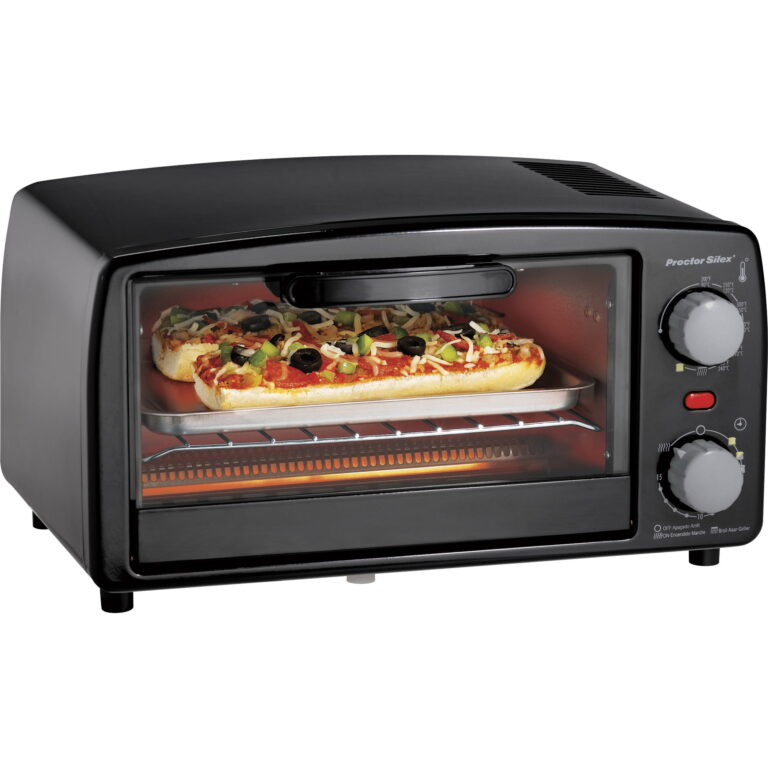
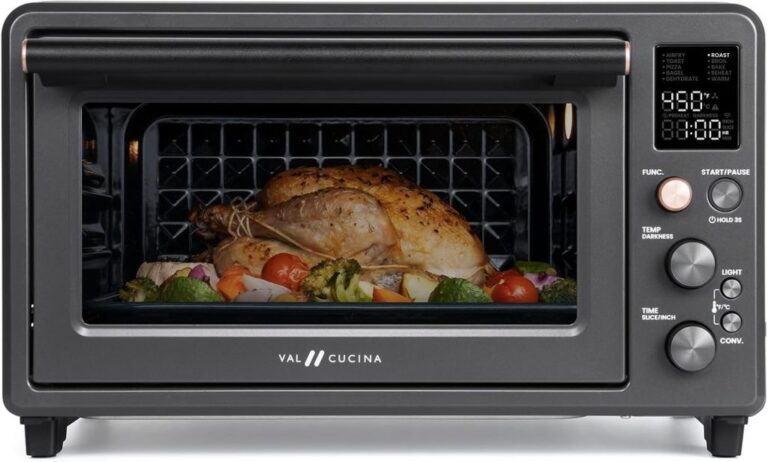
A toaster oven is more flexible. It can heat pizza, open-faced sandwiches, roasted foods, and items that should not go into a pop-up toaster. It usually takes more space and may take longer to heat.
Choose a long-slot toaster when your main task is toast. Choose a toaster oven when you need broader cooking functions.
Frequently asked questions
Is a long-slot toaster better than a regular toaster?
It is better when you use long or large slices. It is not automatically better for small standard bread. A regular toaster may cost less and take up less space if all your bread fits easily.
Can a long-slot toaster toast four slices?
Some two-slot long toasters can toast two standard slices in each slot. Four-slot models can toast four slices in separate openings. Check the manufacturer’s instructions because slot length and usable heating area differ.
What bread fits in a long-slot toaster?
Many long-slot models fit sandwich bread, sourdough, artisan slices, English muffins, and some bagels. The exact fit depends on slot width, depth, and the food’s shape. Always compare your bread with the stated dimensions.
Are long-slot toasters safe for bagels?
They can be, if the toaster has a bagel setting and the manual permits bagels. Place the cut side toward the heating element when the instructions specify that arrangement. Do not force a thick bagel into a narrow slot.
How often should I clean a long-slot toaster?
Unplug and cool the toaster before cleaning. Empty the crumb tray regularly, especially if you use the toaster every day. Clean more often if crumbs collect around the heating elements or the toaster begins to smoke.
What should I do if bread gets stuck?
Unplug the toaster and let it cool completely. Remove the bread only as the manual directs. Do not insert a knife, fork, or other metal object into a plugged-in toaster.
Final recommendation
For most U.S. households, choose a two-slot long and wide toaster with a removable crumb tray, high-lift lever, dependable browning control, and a U.S.-supported warranty. Select a four-slot model when several people need toast at the same time.
Before buying, measure your largest slice, confirm both slot length and width, and read the current manual for the exact model. The best long slot toaster is not the one with the most buttons. It is the one that fits your bread, your counter, and your daily routine without creating extra work.