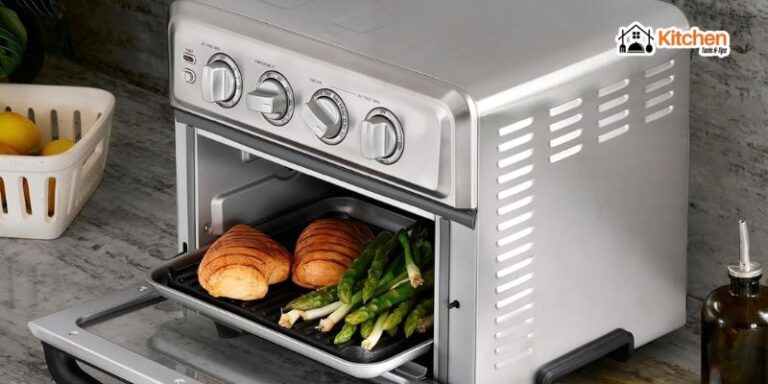
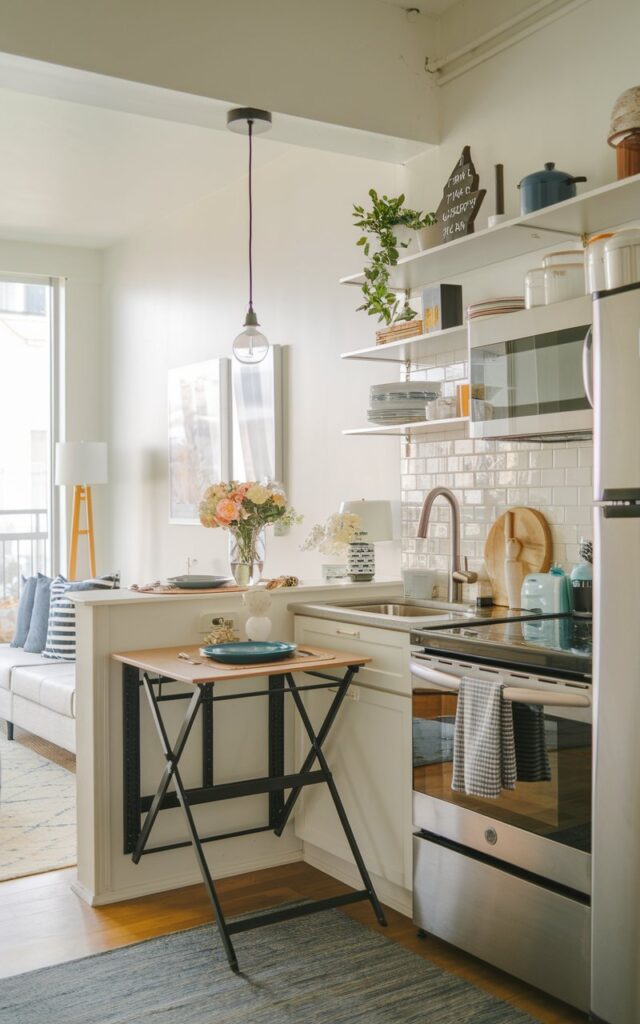
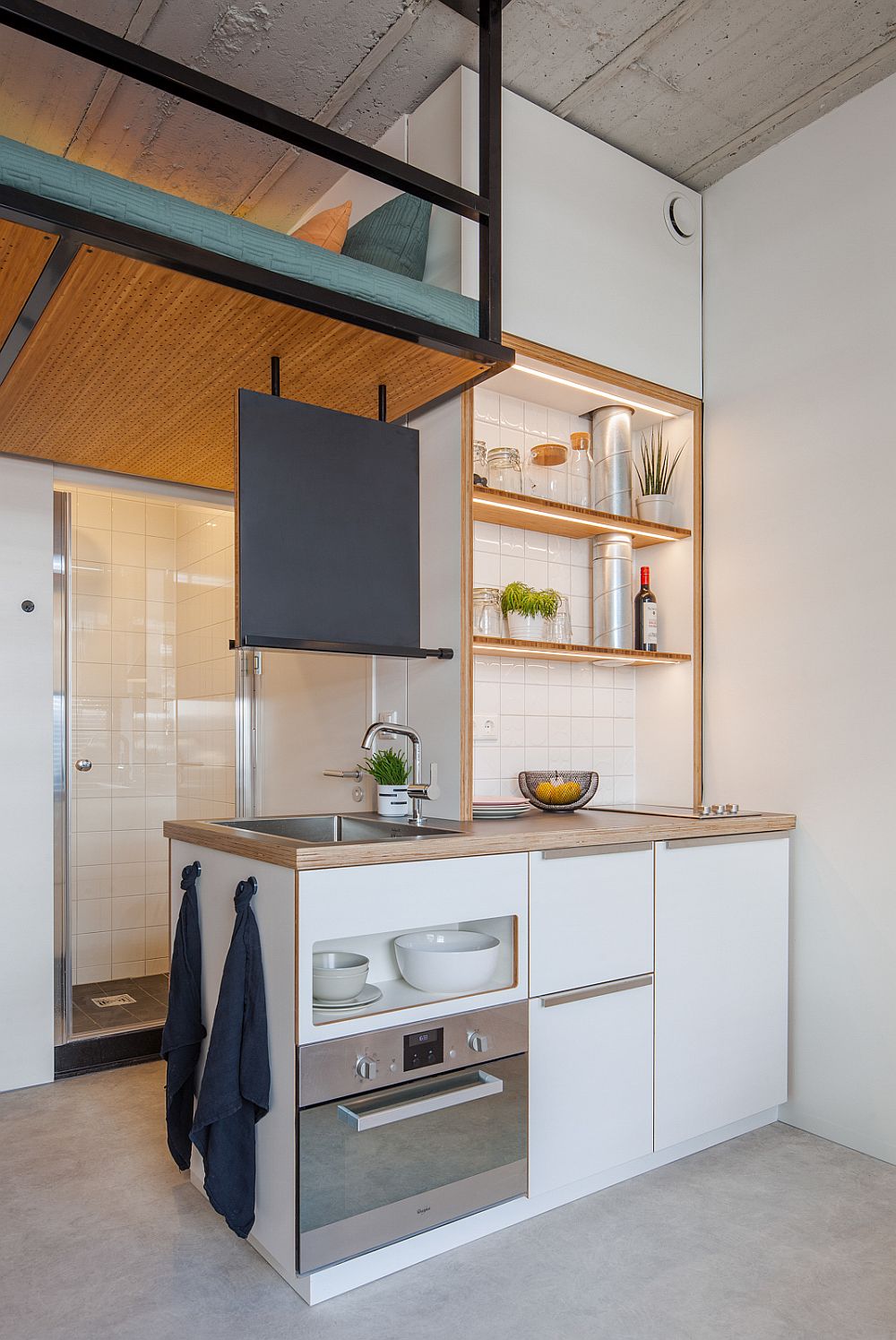
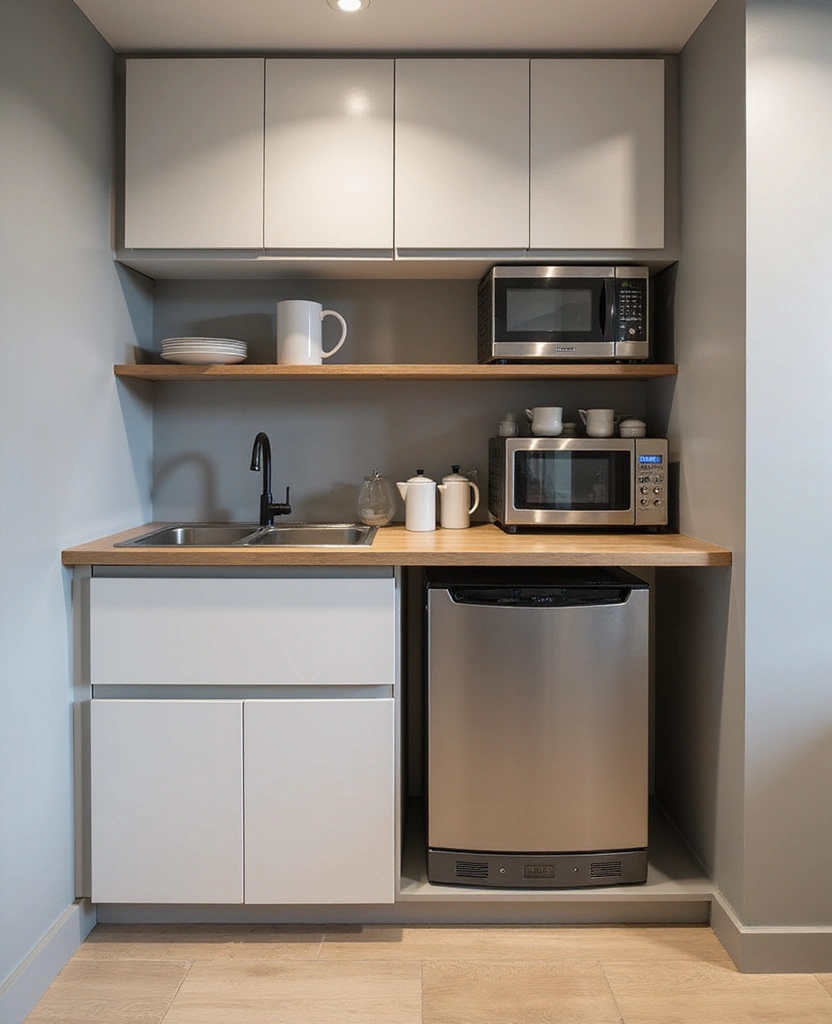
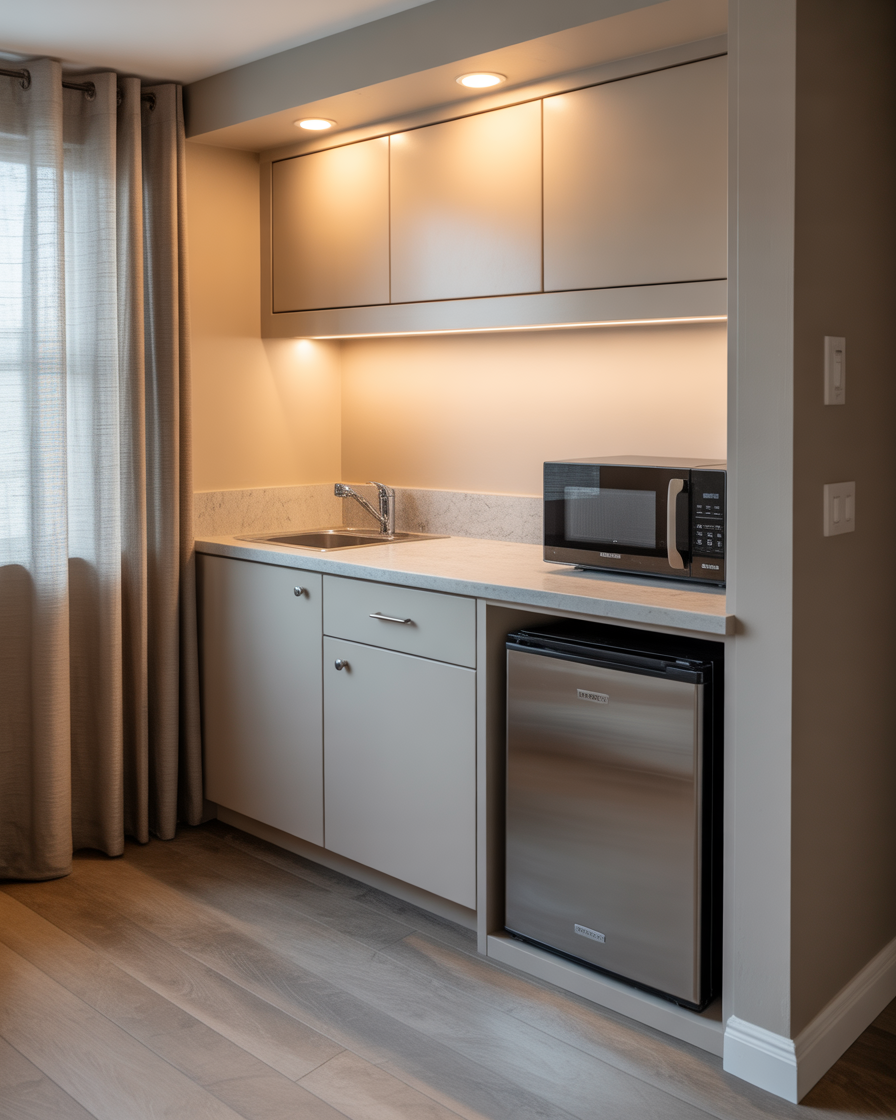
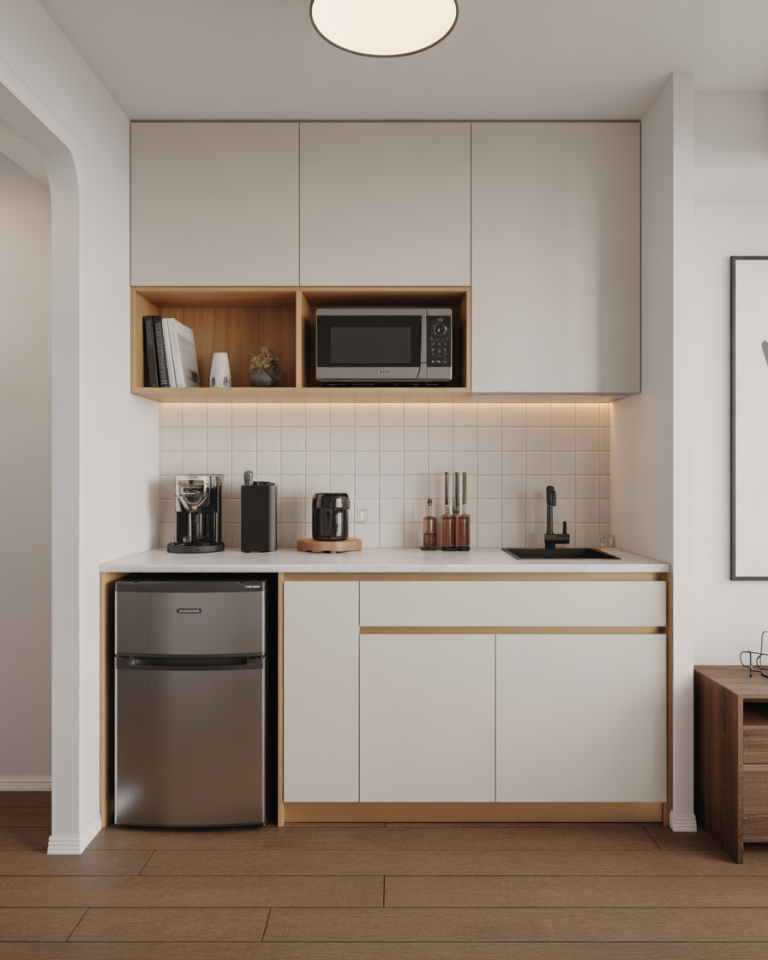
In the United States, a kitchenette apartment is a small apartment with a limited cooking area rather than a full-size kitchen. It often includes a compact refrigerator, microwave, sink, cabinets, and sometimes a small cooktop. The exact features vary by landlord, building, city, and lease.
A kitchenette apartment can be a good fit for a student, single renter, business traveler, or anyone who eats simple meals. It may cost less and use less space than an apartment with a full kitchen. However, it may not have an oven, dishwasher, full-size refrigerator, or enough counter space for regular cooking.

What Is a Kitchenette Apartment?
A kitchenette apartment is a self-contained rental unit with a small, basic food preparation area. It usually supports light cooking, reheating, food storage, and washing dishes. It is smaller and less equipped than a standard apartment kitchen.
The word “kitchenette” does not have one fixed definition across the U.S. A landlord may use it to describe anything from a cabinet with a microwave and mini-fridge to a compact kitchen with a sink and two-burner cooktop. Always check the listing, floor plan, and lease for the exact appliances.
A typical kitchenette may include:
- Small or under-counter refrigerator
- Microwave
- Sink
- Upper or lower cabinets
- Limited counter space
- Two-burner electric cooktop
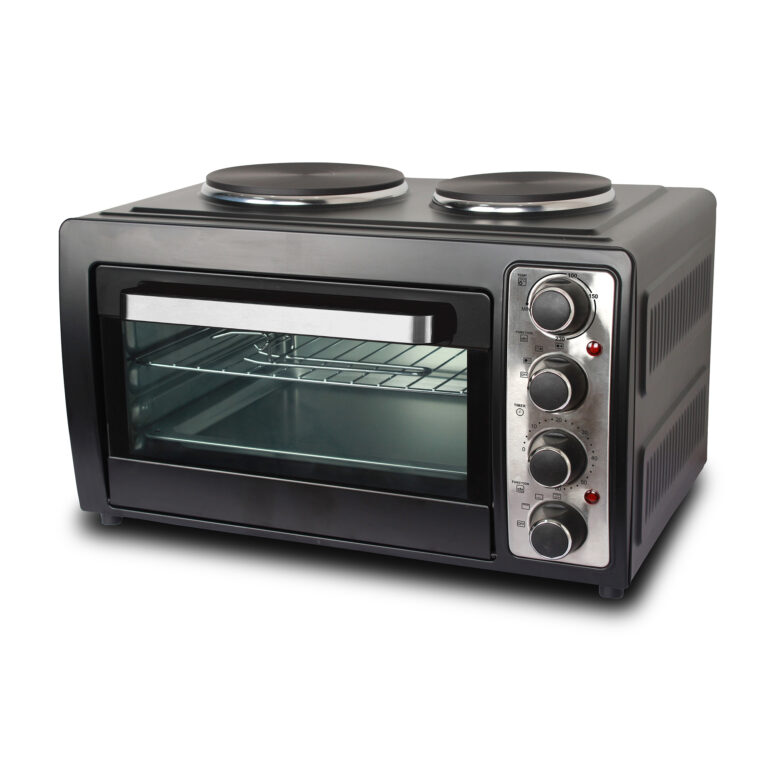
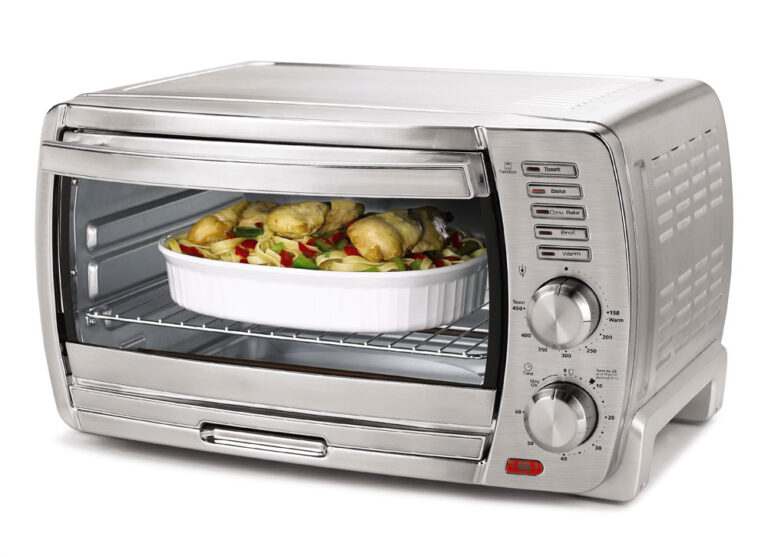
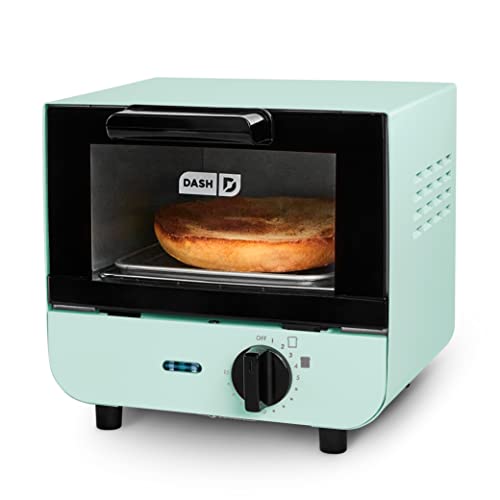
- Toaster oven
- Small dining area or breakfast bar
Some kitchenettes have no cooking appliance at all. A listing that says “kitchenette” may only promise a place to store food and heat prepared meals.
Kitchenette apartment vs. apartment with a full kitchen
A full kitchen usually has more space and a wider set of appliances. It often includes a full-size refrigerator, range or oven, sink, cabinets, and permanent counter space.
| Feature | Kitchenette apartment | Full-kitchen apartment |
|---|---|---|
| Refrigerator | Often compact | Usually full-size |
| Cooking surface | May be absent or limited | Usually a range or cooktop |
| Oven | Often absent | Usually included |
| Counter space | Limited | More usable work space |
| Storage | Small amount | More cabinets and pantry space |
| Dishwasher | Uncommon | May be included |
| Best for | Light meals and reheating | Frequent cooking |
The key difference is not the apartment’s size alone. It is the amount and type of cooking equipment available.

What Does a Kitchenette Usually Include?
A kitchenette usually includes enough equipment for simple meals, but the contents can differ widely. The most useful way to evaluate one is to separate the area into food storage, food preparation, cooking, cleaning, and ventilation.
Food storage
A compact refrigerator may have a small freezer compartment. Some units have only a beverage-size refrigerator, which may not hold a week of groceries.
Ask these questions:
- Is the refrigerator full-size, under-counter, or dorm-size?
- Does it have a freezer?
- Does the unit include a pantry?
- Are cabinets available for dry food?
- Is food storage shared with another tenant?
Food preparation
Most kitchenettes have a small sink and some counter space. The sink may be part of a short cabinet unit. In some furnished rentals, the counter may be designed mainly for a microwave and coffee maker.
Check whether the sink has:
- Hot and cold running water
- A working drain
- A garbage disposal
- Enough space for washing dishes
- A nearby electrical outlet
Cooking
Cooking equipment is the largest variable. A kitchenette may offer:
- Microwave only
- Portable induction burner
- Two-burner cooktop
- Toaster oven
- Electric hot plate
- Combination microwave and convection oven
Do not assume that a microwave means the unit has a stove. Do not assume that a cooktop includes an oven.
Cleaning and ventilation
A kitchenette may have a small sink but no dishwasher. It may also have limited ventilation. A range hood, exhaust fan, or window can help remove heat, steam, smoke, and cooking odors.
If you plan to cook often, ask whether the unit allows:
- Air fryers
- Toaster ovens
- Portable burners
- Grills
- Pressure cookers
Lease rules and local fire codes may limit some appliances.

How Is a Kitchenette Apartment Different From a Studio?
A studio apartment is a type of floor plan. A kitchenette is a type of cooking area. They describe different features, so one apartment can be both a studio and a kitchenette apartment.
A studio usually has one main living and sleeping space, plus a private bathroom. Its kitchen may be a full kitchen, a kitchenette, or a separate small kitchen area.
A kitchenette apartment may also be:
- A studio
- A guest suite
- An accessory dwelling unit
- A basement apartment
- A micro-apartment
- A one-bedroom apartment with a compact kitchen
For example, a 400-square-foot studio with a microwave, mini-fridge, and sink may be a studio kitchenette apartment. A 700-square-foot one-bedroom unit with a two-burner cooktop and compact refrigerator may also qualify.
Kitchenette vs. efficiency apartment
The term efficiency apartment often describes a very small apartment designed to use space efficiently. It may include a kitchenette, but not always. In some U.S. rental markets, “efficiency” and “studio” are used in similar ways.
The names are less important than the details. Review:
- The appliance list
- The floor plan
- The square footage
- The lease terms
- The local occupancy and utility information

What Are the Benefits of a Kitchenette Apartment?
A kitchenette apartment can reduce housing costs, simplify daily life, and use less space. Its value depends on how you eat, how long you plan to stay, and what the rent includes.
Lower rent in some markets
Smaller apartments often have lower rent than larger units in the same building. That is not guaranteed. Location, building age, furnishings, utilities, parking, and amenities can affect the price more than the kitchen size.
Compare the total monthly cost, not just the advertised rent. Include:
- Electricity
- Water and sewer
- Internet
- Parking
- Laundry
- Application fees
- Furnished-unit fees
- Required service charges
Less cleaning and upkeep
A small kitchenette has fewer surfaces, cabinets, and appliances to clean. This can help renters who spend little time at home or prefer simple meals.
Good fit for short-term housing
Kitchenettes are common in some extended-stay properties, furnished rentals, corporate housing units, and guest suites. They can provide more independence than a hotel room without the cost or space of a full apartment.
Efficient use of space
A compact kitchenette can leave more room for a bed, desk, sofa, or storage. This may matter in dense U.S. cities where space is limited.
Lower utility use
A small refrigerator and limited cooking equipment may use less energy than a full kitchen. Actual savings depend on the appliance age, energy rating, usage, and whether utilities are included in rent.

What Are the Disadvantages of a Kitchenette Apartment?
The main drawback is limited cooking and storage capacity. A kitchenette may work well for simple meals but become frustrating if you cook every day.
Common limitations include:
- No oven
- Small refrigerator
- Little freezer space
- Few electrical outlets
- Small sink
- Limited counter space
- Little cabinet storage
- No dishwasher
- Weak or absent ventilation
- Restrictions on cooking appliances
A small refrigerator may require more frequent grocery trips. A lack of an oven may prevent baking or preparing certain foods. A microwave-only setup can also make it hard to prepare balanced meals if you depend on fresh ingredients.
Cooking odors may be another concern. Without a proper exhaust fan, steam and odors can remain in the apartment. Ask how the space is ventilated before signing a lease.
Who Should Rent a Kitchenette Apartment?
A kitchenette apartment may suit people who need basic food preparation rather than a full cooking workspace.
It may be a good fit for:
- Students
- Single renters
- People who travel for work
- Residents who eat at work or school
- Minimalist renters
- People seeking temporary housing
- Adults moving into their first apartment
- Renters who want a smaller cleaning routine
It may not suit:
- Families with children
- People who cook most meals at home
- Bakers
- People who freeze or store large amounts of food
- Renters who need wheelchair-accessible kitchen features without checking the layout
- Anyone who needs a full range, oven, or dishwasher
Your eating habits matter more than the label. A person who uses only a microwave may find a kitchenette easy to manage. A person who prepares large meals may need a full kitchen, even if the kitchenette apartment has a lower rent.
How to Inspect a Kitchenette Apartment Before Renting
Inspect the actual unit, not only the listing photos. Photos may show a microwave and sink while leaving out the size of the refrigerator, the absence of an oven, or the lack of counter space.
Use this checklist during a tour or virtual showing.
1. Confirm every appliance
Ask the property manager to identify each appliance included with the rental. Confirm whether it is full-size, compact, built-in, or portable.
Record:
- Refrigerator size
- Freezer size
- Microwave
- Oven
- Cooktop
- Dishwasher
- Garbage disposal
- Coffee maker or other supplied equipment
2. Test the basic fixtures
If the property allows it, turn on the sink and check the water flow. Look under the sink for leaks, water damage, or strong odors.
Check that cabinet doors close and that the refrigerator reaches a cold temperature. Do not operate unfamiliar cooking equipment without permission or proper instructions.
3. Count outlets and check their location
A kitchenette may need outlets for a refrigerator, microwave, coffee maker, toaster, phone charger, and other devices. Too few outlets can create a safety problem if renters rely on power strips or extension cords.
The U.S. Consumer Product Safety Commission advises consumers to use extension cords as temporary solutions and avoid overloading them. For electrical concerns, ask the landlord or a licensed electrician rather than modifying wiring yourself.
4. Check ventilation
Look for an exhaust hood, fan, or window. Ask where cooking odors and steam go. A ventilation fan that only recirculates air may not remove moisture or smoke as well as an externally vented system.
5. Measure usable space
Measure the refrigerator opening, counter, cabinets, and any area where you plan to place a small appliance. A device that fits in one unit may not fit in another.
6. Read the lease
Look for terms covering:
- Cooking appliances
- Open flames
- Portable burners
- Grills
- Cleaning duties
- Repairs
- Furnished items
- Utility responsibility
- Subleasing
- Occupancy limits

Is a Kitchenette Apartment Legal to Live In?
A kitchenette apartment may be legal, but the answer depends on the property’s approval, zoning, building code, fire safety, and local housing rules. The word “kitchenette” does not prove that a unit is approved as a separate dwelling.
Before renting, ask whether the unit is legally permitted as a residential rental. You can also contact the local building or housing department. Requirements may cover:
- Egress and emergency exits
- Minimum room size
- Ceiling height
- Fire alarms
- Carbon monoxide alarms
- Plumbing
- Electrical systems
- Ventilation
- Bathroom access
- Occupancy limits
- Cooking equipment
Rules differ by state, county, and city. A basement or converted garage unit deserves extra care because it may have separate requirements for exits, moisture control, and fire protection.
Do not rent an unapproved unit simply because the price is low. An illegal rental may create problems with safety, insurance, eviction rights, utilities, and access to repairs.
For general federal housing information, the U.S. Department of Housing and Urban Development is a useful starting point. Local rules come from the relevant city or county agencies.

How Much Does a Kitchenette Apartment Cost?
There is no nationwide standard price for a kitchenette apartment. Rent depends on the local market and the unit’s full package of features.
A useful comparison is:
Effective monthly cost = rent + required fees + average utilities + parking + laundry and other recurring costs
For example, a hypothetical apartment with $1,100 rent, $75 in required fees, $90 in utilities, and $50 for parking has an effective monthly cost of:
$1,100 + $75 + $90 + $50 = $1,315 per month
Compare that figure with full-kitchen apartments in the same area. A kitchenette is not automatically cheaper if it is furnished, located in a premium building, or offered as short-term housing.
Also compare the cost of eating. If limited cooking causes you to buy restaurant meals often, the lower rent may not produce the savings you expect.
What Can You Cook in a Kitchenette?
You can usually prepare simple meals in a kitchenette, but the menu depends on the available appliances and lease rules.
Common options include:
- Oatmeal
- Eggs, if a cooktop is allowed
- Soup
- Pasta, if a burner and suitable pot are available
- Rice in a permitted appliance
- Frozen meals
- Sandwiches
- Salads
- Microwave vegetables
- Toast or baked foods, if a toaster oven is provided
Use only appliances that the property permits. Never use a charcoal grill, propane burner, or other outdoor cooking device indoors. Keep flammable items away from heat, stay near active cooking, and follow the appliance manual.
If the unit has no oven, plan meals around a microwave, approved cooktop, toaster oven, or no-cook ingredients. A shared community kitchen may be available in some buildings, but confirm access rules before relying on it.

Kitchenette Apartment Safety Tips
Safe use starts with knowing the limits of the space. Small areas can heat up quickly and may have limited ventilation.
Follow these basic practices:
- Keep towels, paper, and curtains away from heat.
- Do not leave cooking food unattended.
- Avoid plugging several high-wattage appliances into one outlet.
- Do not use damaged cords or appliances.
- Keep the sink and counter dry near electrical equipment.
- Test smoke and carbon monoxide alarms according to local guidance.
- Keep a clear path to the exit.
- Do not disable a smoke alarm because of cooking odors.
- Report leaks, sparks, burning smells, or damaged outlets promptly.
- Ask the landlord before installing or adding a permanent appliance.
If an outlet sparks, smells hot, feels loose, or trips the circuit repeatedly, stop using it and report the issue. Do not remove panels or attempt electrical repairs yourself.
Questions to Ask Before Signing a Lease
Ask direct questions so the word “kitchenette” does not create a surprise later.
- What exact appliances are included?
- Is there a full-size refrigerator?
- Is an oven included?
- Is the cooktop permanent or portable?
- Are portable appliances allowed?
- Does the sink have hot water?
- Is ventilation available?
- Are utilities included?
- Who repairs the appliances?
- Are the appliances listed in the lease?
- Is the unit approved as a separate dwelling?
- Are there shared kitchen facilities?
- Are cooking odors or certain foods restricted?
- Is the unit furnished?
- What happens if an included appliance stops working?
Request written answers when a feature affects your decision. If an appliance is promised but missing from the lease or move-in checklist, ask the landlord to document it.

Common Mistakes When Renting a Kitchenette Apartment
Assuming “kitchenette” means a stove
Some kitchenettes have only a microwave and refrigerator. Confirm the cooking equipment before applying.
Comparing rent without comparing total cost
Utilities, parking, laundry, fees, and restaurant meals can change the financial result.
Ignoring storage
A compact refrigerator and small cabinets may not support bulk shopping. Measure storage before moving in.
Bringing unapproved appliances
A toaster oven, induction burner, or air fryer may be restricted by the lease, building policy, or electrical capacity.
Skipping the legal-status check
A low-cost unit may be unsafe or improperly converted. Verify that the rental is approved under local rules.
Relying on listing photos
Photos may be staged, old, or incomplete. Inspect the current unit and record its condition during move-in.
Frequently Asked Questions About Kitchenette Apartments
Is a kitchenette the same as a kitchen?
No. A kitchenette is usually smaller and has fewer appliances, less storage, and less counter space than a full kitchen. Some kitchenettes do not include an oven or cooktop.
Does a kitchenette apartment have a stove?
It may, but there is no guarantee. The unit may have a two-burner cooktop, hot plate, induction burner, or microwave only. Confirm the appliance list before renting.
Can I live permanently in a kitchenette apartment?
You may be able to live there long term if the unit is legally approved for residential use and meets your needs. Check local rules, the lease, storage, cooking equipment, ventilation, and occupancy limits.
Is a kitchenette apartment cheaper than a studio?
Not always. A studio with a full kitchen may cost less than a furnished kitchenette unit in a high-demand building. Compare total monthly costs in the same area.
Can I install my own mini-fridge or cooktop?
Only if the landlord and lease allow it. Electrical load, ventilation, fire safety, and building rules may limit added appliances. Get permission in writing first.
Conclusion: Is a Kitchenette Apartment Right for You?
A kitchenette apartment is a small U.S. rental unit with a limited cooking area. It can work well for light meals, short stays, simple routines, and renters who value lower space and upkeep needs. It may be a poor fit for anyone who cooks often, needs large food storage, or requires a full oven and range.
Before signing, inspect the appliances, measure the storage, check ventilation, calculate the total monthly cost, and verify that the unit is legally approved for residential use. The best choice depends less on the label and more on whether the actual space matches your daily needs.