The small kitchen appliances you need depend on how you cook, how much space you have, and which foods you make most often. For most U.S. homes, a microwave, coffee maker, toaster or toaster oven, blender, and food processor cover many daily tasks. Add an air fryer, slow cooker, mixer, rice cooker, or electric kettle only when it solves a real cooking need.
The best kitchen setup is not the one with the most appliances. It is the one that helps you cook the foods you enjoy without filling your cabinets with tools you rarely use.
The Essential Small Kitchen Appliances
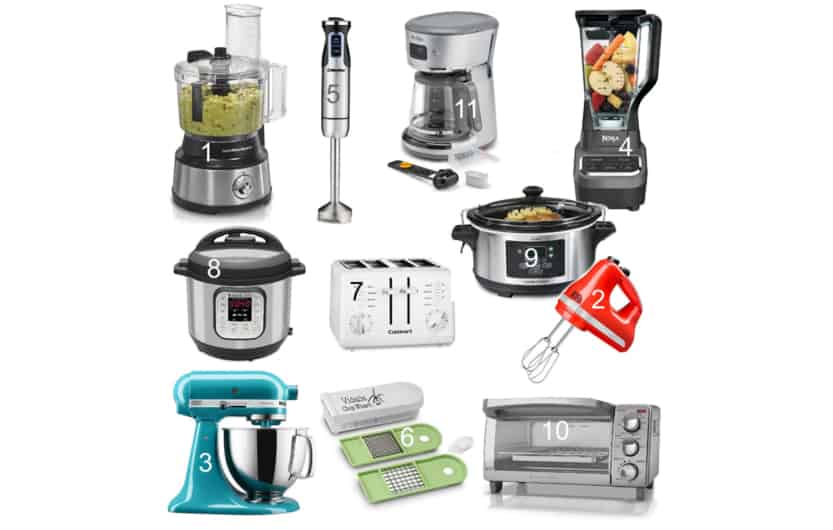
Start with the appliances that support your daily meals. A basic setup can handle breakfast, reheating, drinks, sauces, soups, simple baking, and meal prep.
Microwave
A microwave is useful for reheating leftovers, thawing food safely under the appliance’s instructions, cooking frozen meals, steaming vegetables, and softening ingredients.
Choose a model with:
- A turntable or removable flat tray
- Easy-to-read controls
- At least one quick-start button
- Enough interior space for the dishes you use
- A power level setting, not only a high-power button
A microwave does not replace an oven for baking or browning. It also does not heat food evenly in every case. Stir food when needed, let it stand briefly, and check that the center reaches a safe temperature. The U.S. Department of Agriculture explains safe microwave cooking and reheating practices.
Coffee maker
A coffee maker makes sense if you drink coffee at home at least several times each week. The right type depends on how much coffee you make and how much control you want.
Common choices include:
- Drip coffee maker: Good for several cups and simple daily use
- Single-serve brewer: Useful for one cup, but pods can cost more and create more waste
- French press: Low cost and does not need electricity, but it requires a separate kettle
- Espresso machine: Best for espresso drinks, but it costs more and needs more cleaning
- Cold-brew maker: Useful only if you often drink cold brew
Look for a removable water tank, a washable filter basket, and controls that are easy to use. Clean the machine as directed. Mineral buildup can affect flow and taste.
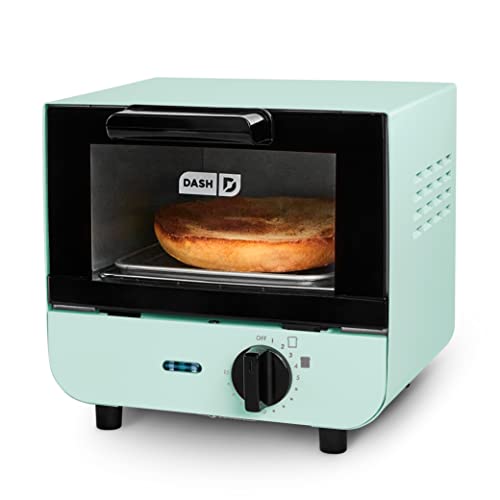
Toaster or toaster oven
Choose a two- or four-slice toaster if you mainly make toast, bagels, English muffins, or frozen waffles.
Choose a toaster oven if you want to:
- Reheat pizza
- Bake small portions
- Roast vegetables
- Broil food
- Cook without heating a full-size oven
A toaster oven uses more counter space, but it can do more jobs. Some models include convection fans, air-fry settings, or digital temperature controls. These features can be useful, but they also add cost and cleaning work.
Never place a toaster or toaster oven near water. Keep the vents clear, and follow the manufacturer’s guidance for foil, parchment, and cookware.
Blender
A blender is useful for smoothies, blended soups, sauces, dressings, and frozen drinks. It is usually the best tool for foods that contain a lot of liquid.
A countertop blender works well for family-size batches. A personal blender suits one serving and often has a smaller footprint. Check the jar size, blade assembly, cleaning method, and whether the parts are dishwasher-safe.
Do not fill a blender with hot liquid unless the manual says it is designed for that use. Steam can build pressure and force the lid off.
Food processor
A food processor is different from a blender. It is better for chopping, slicing, shredding, mixing dough, and making thick dips such as hummus.
A food processor can help with:
- Chopping onions and vegetables
- Shredding cheese
- Slicing potatoes
- Making pesto
- Mixing pie dough
- Preparing salsa
- Making nut butter in models approved for that task
If you already own a good chef’s knife and cook small portions, you may not need one. If you prepare large amounts of vegetables or make dough often, it can save time.
Electric hand mixer
A hand mixer is a practical choice for occasional baking. It can beat eggs, whip cream, and mix cake or cookie batter.
It takes less space and usually costs less than a stand mixer. It may struggle with stiff dough or large batches. A stand mixer is more useful for frequent bakers, bread makers, or people who want the mixer to work without being held.

Which Kitchen Appliances Should You Buy First?
Buy appliances in order of use, not in order of popularity. A person who cooks rice daily may need a rice cooker before an air fryer. Someone who rarely fries food may get more value from a food processor.
Use this simple priority system:
- Buy appliances that solve a daily problem.
- Choose one appliance that supports your most common meal.
- Add tools that replace several manual tasks.
- Delay appliances that perform only one rare task.
- Check storage, cleaning, power, and replacement-part needs before buying.
A basic starter kitchen
A new apartment or first home may need:
- Microwave
- Coffee maker, if you drink coffee
- Toaster or toaster oven
- Blender
- Food processor or kitchen knife, depending on your cooking style
- Hand mixer, if you bake
This list covers many common meals without creating a crowded counter.
A cooking-focused kitchen
If you cook most meals at home, consider adding:
- Immersion blender
- Air fryer
- Slow cooker
- Rice cooker
- Stand mixer
- Electric kettle
- Digital kitchen scale
These tools are not all essential. Each one should match a repeated task.
A small-space kitchen
In a small U.S. apartment, choose tools that have more than one useful function. A toaster oven may replace a toaster and handle small baking jobs. An immersion blender may replace some work done by a countertop blender and food processor.
Before buying, measure:
- Counter depth
- Cabinet height
- Shelf width
- Distance from outlets
- Storage space for cords and accessories
A tool that cannot be stored safely will often become a source of clutter.

Useful Small Appliances That Are Not Essential
The following appliances can be helpful, but they fit specific habits. They should come after the basics.
Air fryer
An air fryer is a small convection oven. It moves hot air around food and can make foods such as potatoes, chicken pieces, and vegetables with a crisp surface.
It may be useful if you:
- Cook small portions
- Reheat fried food
- Want quick roasted vegetables
- Prefer not to heat a full-size oven
It is not a true deep fryer, and it cannot cook unlimited food at once. Overfilling the basket can reduce browning and slow cooking. The basket and heating area also need regular cleaning to reduce smoke and odors.
Slow cooker
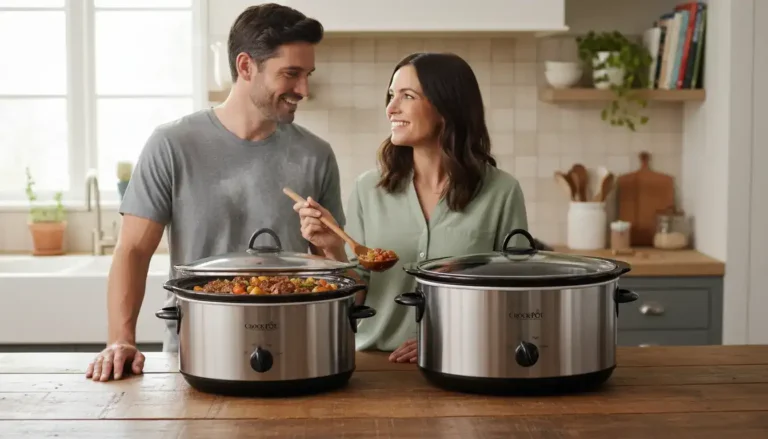
A slow cooker suits soups, stews, beans, shredded meat, and other meals that cook over several hours.
It can help people who:
- Prepare meals before work
- Cook large batches
- Prefer hands-off cooking
- Want food ready later in the day
Do not use a slow cooker as a substitute for safe food handling. Keep perishable ingredients cold until cooking begins, follow the manual, and refrigerate leftovers promptly. The USDA slow-cooker guidance explains safe preparation and storage.
Rice cooker
A rice cooker is worthwhile if you eat rice several times a week or want consistent results with little attention.
Some models also cook:
- Oats
- Quinoa
- Steamed vegetables
- Beans, when the manual allows it
A saucepan can cook rice well, so this appliance is optional. The main benefit is convenience and automatic switching to a warm setting.
Electric kettle
An electric kettle heats water for tea, instant coffee, oatmeal, soup, and some cooking tasks. It is often faster than heating a small amount of water on a stove, but speed varies by model, amount of water, and power rating.
Choose one with:
- Automatic shutoff
- Boil-dry protection
- A stable base
- A clear water-level mark
- A handle that stays cool enough to hold safely
Do not boil more water than you need. This saves time and energy.
Immersion blender
An immersion blender is useful for pureeing soup directly in a pot, blending sauces, and making small smoothies or dressings.
It takes little space and is easier to store than a full blender. It may not produce the same smooth texture for every frozen drink or large batch. Keep the blade below the liquid surface while it runs, and unplug it before removing food from the blade area.
Stand mixer
A stand mixer makes sense for frequent baking. It is helpful for:
- Bread dough
- Large cookie batches
- Cake batter
- Whipped cream
- Meringue
It is heavy and takes up permanent storage space. If you bake only a few times each year, a hand mixer may offer better value.

Small Kitchen Appliance Decision Table
This table matches each appliance to the task it handles best. “Need” means the appliance is likely to help with a repeated task, not that every kitchen requires it.
| Appliance | Best for | Usually worth buying when | Main limitation |
|---|---|---|---|
| Microwave | Reheating and quick cooking | You reheat food often | Does not brown food like an oven |
| Coffee maker | Brewed coffee | You drink coffee at home often | Needs regular cleaning |
| Toaster | Toast and bagels | You make toast most days | Has one main job |
| Toaster oven | Small baking and reheating | You want more than toast | Uses more counter space |
| Blender | Smooth liquids and purees | You make smoothies or soups | Less suited to dry chopping |
| Food processor | Chopping and slicing | You prep large batches | Takes storage space |
| Hand mixer | Occasional baking | You bake sometimes | Must be held while mixing |
| Stand mixer | Frequent or heavy baking | You make dough often | Expensive and heavy |
| Air fryer | Small crisp meals | You cook small portions | Basket size limits batches |
| Slow cooker | Long, low cooking | You want hands-off meals | Cooking takes hours |
| Rice cooker | Rice and grains | You eat rice often | Limited use for some cooks |
| Electric kettle | Hot water | You drink tea or use quick hot water | Does not cook food |
| Immersion blender | Soups and sauces | You want compact blending | Texture may vary by food |
The best first purchase is the item near the top of the table that matches your most repeated task. Do not buy an appliance only because it can perform a task you rarely do.
How to Choose a Small Kitchen Appliance
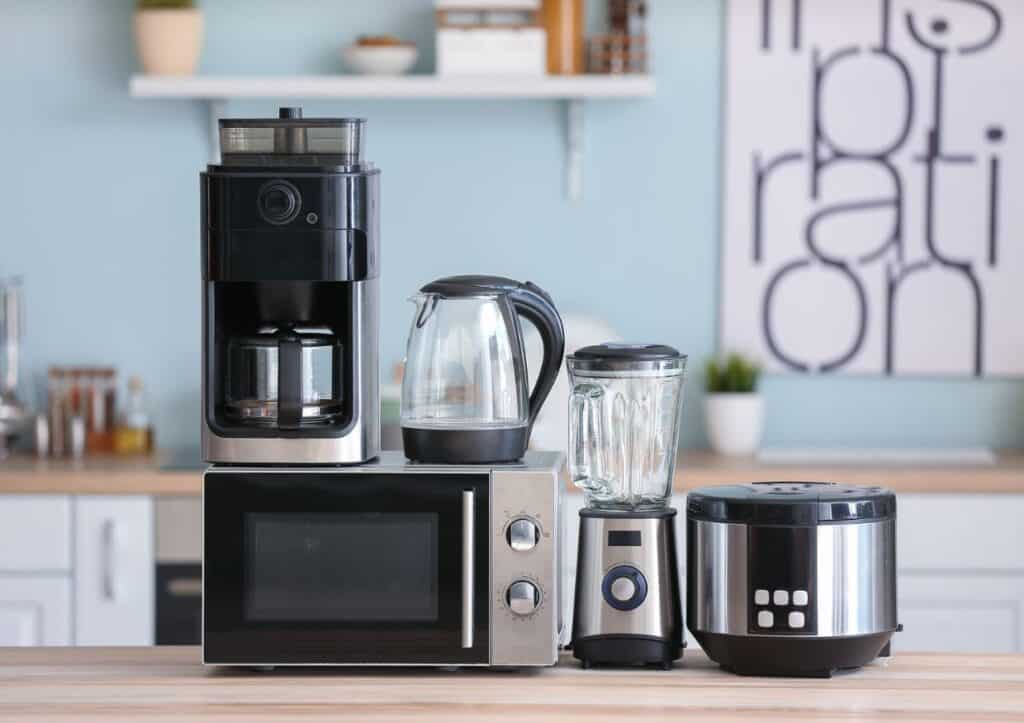
Check function, size, cleaning, controls, safety, and repair support before price alone. A cheap appliance that is hard to clean may cost more in time and frustration.
Check the size and capacity
Capacity should match the amount of food you make. A small blender may work for one smoothie but fail for family-size soup. A large food processor may feel wasteful for one person.
Do not assume a larger model is better. Large appliances need more storage and may perform poorly with very small amounts.
Check the cleaning process
Look for removable parts and clear instructions. Confirm whether the parts can go in the dishwasher. Some parts may be dishwasher-safe while the motor base is not.
Never place a motor base, plug, or power cord in water. Wipe the base with a damp cloth only when it is unplugged.
Check the electrical details
Most U.S. household outlets supply standard residential power, but you should still confirm the appliance’s voltage and plug. Do not use a damaged cord, loose plug, or overloaded power strip.
The U.S. Consumer Product Safety Commission provides appliance and electrical safety information. Look for a recognized testing mark, such as UL or ETL, when available. A mark supports electrical safety testing for the covered product and conditions; it does not prove that the appliance will last longer or perform better.
Check parts and support
Before buying, look for:
- Replacement jars, lids, bowls, or blades
- A readable manual
- Warranty terms
- A customer service contact
- A return policy
- A clear cleaning process
Accessories can affect the real cost. A blender may need a special jar. A coffee maker may need paper filters or a water filter. A food processor may require extra discs for slicing or shredding.
Compare total cost
The purchase price is only one part of the cost. Include:
- Consumables such as pods, filters, or bags
- Replacement parts
- Electricity
- Cleaning supplies
- Counter and storage space
- Time spent preparing and cleaning
A simple appliance with low ongoing needs may be a better choice than a feature-heavy model.
Common Small Appliance Mistakes
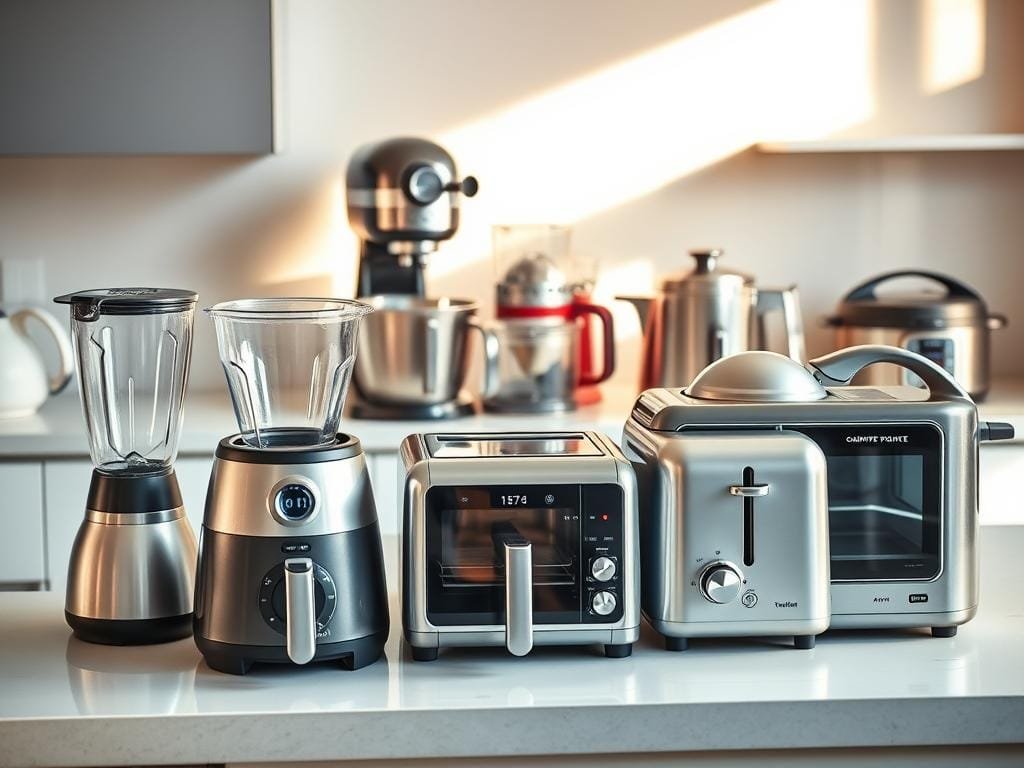
Many kitchen problems come from buying by trend, using the wrong tool, or ignoring care instructions.
Buying too many single-use appliances
A quesadilla maker, egg cooker, popcorn machine, and specialty drink maker can all be useful. They can also crowd a small kitchen. Buy one only if you use that function often and do not have a practical alternative.
Treating an air fryer as a full oven
An air fryer works best for small batches. It cannot replace a full oven for large casseroles, sheet-pan meals, or foods that need a wide cooking surface.
Using a blender for every job
A blender is not the best tool for every thick or dry mixture. A food processor handles many chopping and dough tasks better. An immersion blender is often easier for soup.
Ignoring ventilation and clearance
Heat-producing appliances need open space around vents. Do not operate them under a cabinet unless the manual permits it. Keep curtains, paper towels, and other flammable items away from heating elements.
Leaving appliances plugged in without a reason
Unplug countertop appliances when they are not in use if the manufacturer advises it, especially appliances with heating elements. Keep cords away from hot surfaces and water.
Failing to clean hidden areas
Food can collect under blades, around seals, in coffee machine reservoirs, and inside toaster crumb trays. Follow the manual’s cleaning schedule. Unplug the appliance before cleaning or removing parts.
A Simple Buying Plan for Different Homes
Your ideal list changes with your household size and cooking habits.
For one person
A useful first group may include:
- Microwave
- Coffee maker or electric kettle
- Toaster oven
- Small blender
- Immersion blender or small food processor
Choose compact models if storage is limited. A toaster oven may cover toast, reheating, and small meals.
For a couple
Consider:
- Microwave
- Coffee maker
- Toaster or toaster oven
- Medium blender
- Food processor
- Air fryer or slow cooker
Choose between the air fryer and slow cooker based on meal style. Pick the air fryer for quick crisp foods. Pick the slow cooker for soups, stews, and planned meals.
For a family
A family may benefit from:
- Large microwave
- Drip coffee maker
- Toaster oven
- Full-size blender
- Food processor
- Slow cooker
- Rice cooker, if rice is a regular side
- Stand mixer, if baking is frequent
Capacity matters more as the number of servings grows. Still, avoid buying large appliances that cannot be stored safely.
For frequent bakers
Prioritize:
- Stand mixer
- Digital kitchen scale
- Hand mixer for smaller jobs
- Food processor for pie dough
- Electric kettle for hot drinks or baking tasks
A digital scale can improve repeatability because weight is more consistent than measuring by volume for many baking ingredients.

Are Small Kitchen Appliances Worth It?
Small kitchen appliances are worth buying when they save time on a repeated task, help you cook at home, or perform a job that is difficult by hand. They are less useful when they duplicate tools you already own or require more cleaning than the task justifies.
Before buying, ask:
- Will I use this at least several times each month?
- Do I have a safe place to store it?
- Can I clean it without much trouble?
- Does it replace a task I dislike?
- Will I need special parts or supplies?
- Can another appliance do the same job?
If the answer is mostly no, wait. A kitchen does not become more useful simply because it contains more equipment.

Frequently Asked Questions
What are the three most useful small kitchen appliances?
For many U.S. homes, the three most useful are a microwave, a coffee maker or electric kettle, and a toaster or toaster oven. The best choices change if you do not drink coffee, rarely reheat food, or already have a full-size oven.
Do I need both a blender and a food processor?
Not always. Choose a blender for smoothies, liquid soups, and drinks. Choose a food processor for chopping, slicing, shredding, thick dips, and dough. If you make both types of food often, owning both can save time.
Is an air fryer necessary if I have a toaster oven?
No. A toaster oven can handle many of the same tasks, especially if it has a convection or air-fry setting. An air fryer may be more convenient for small batches, but the extra appliance is not essential.
What appliance is best for a small apartment?
A compact toaster oven, immersion blender, and microwave can cover many needs while using less space than several specialty appliances. Measure the counter and storage area before buying.
Should I buy a coffee maker or an electric kettle?
Buy a coffee maker if you mainly want brewed coffee. Buy an electric kettle if you drink tea, use instant coffee, make oatmeal, or need hot water for cooking. Some households may use both.
Conclusion
For most U.S. kitchens, start with a microwave, coffee maker or kettle, toaster or toaster oven, blender, and food processor only when your cooking habits justify them. Add an air fryer, slow cooker, rice cooker, immersion blender, mixer, or other appliance for a clear and repeated use.
Measure your space, check cleaning needs, confirm electrical safety, and consider ongoing costs. The right small kitchen appliances should make daily cooking easier—not turn your kitchen into a storage unit.