An old toaster oven does not belong in every household trash can. In the United States, the best option depends on its condition: keep using it if it works safely, repair it when the fix is simple, donate it if it is clean and reliable, or recycle it through a local appliance or electronics program.
Before you move it, unplug the toaster oven and let it cool fully. Then check the cord, plug, door, heating elements, controls, and inside of the oven.

Start With a Simple Safety Check
A toaster oven should be reused or donated only when it works normally and shows no clear safety problem. Small cooking appliances can cause burns, electric shock, or fire when cords, controls, or heating parts fail.
Do not use the toaster oven if you notice:
- A frayed, cut, melted, or loose power cord
- A cracked or damaged plug
- Sparks, smoke, or a burning plastic smell
- A door that will not close or latch well
- Heating elements that stay on after the controls are off
- A timer or temperature control that does not work
- Severe rust, broken glass, or exposed wires
- Repeated tripped circuit breakers
- Signs of overheating around the plug or outlet
Unplug the appliance and do not test it again if any of these problems appear. Do not remove the cover unless you have the training to work safely with electrical appliances.
A little baked-on food is usually a cleaning issue. Exposed wiring, damaged insulation, or uncontrolled heat is a disposal or professional repair issue.
Check for a recall
Look up the brand and model before donating or selling the toaster oven. In the United States, the U.S. Consumer Product Safety Commission recall database lists recalled products, including some kitchen appliances.
You can usually find the model number on:
- A label on the back or bottom
- The inside edge of the door
- The side panel
- The original manual
- The product box or receipt
Do not donate or sell a recalled toaster oven. Follow the recall notice for the correct remedy. It may include a repair, replacement, refund, or special disposal instruction.
Clean it only when it is safe to do so
If the oven is unplugged and in good condition, remove the crumb tray and wash it according to the manual. Wipe the interior with a damp cloth and mild dish soap. Dry all parts before use.
Never spray water into the controls, heating elements, vents, or electrical openings. Do not use the oven’s self-clean setting unless the manufacturer specifically provides one and the appliance is designed for it.
Keep Using the Toaster Oven if It Still Works Safely
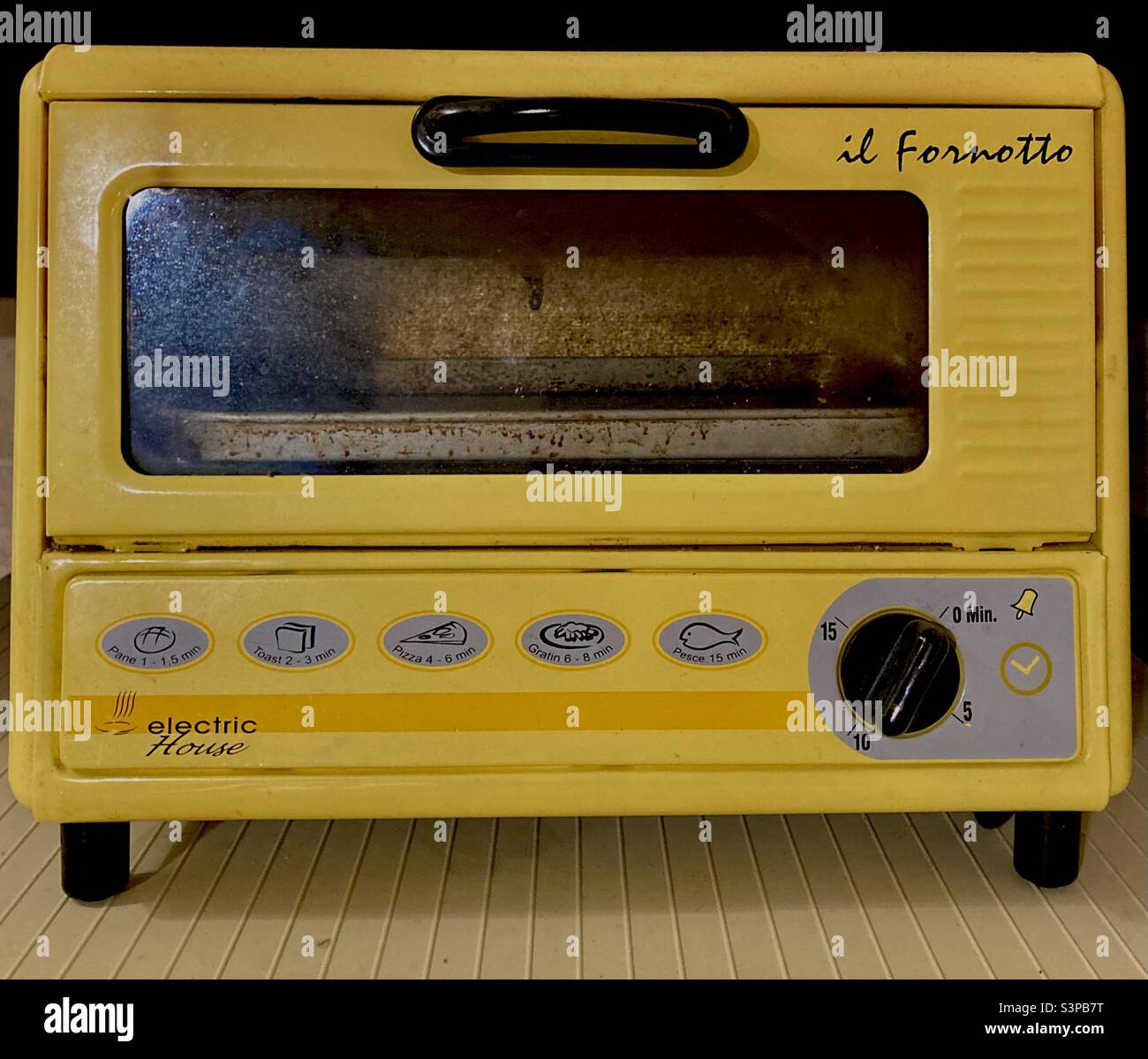
The most resource-efficient choice is often to keep a working toaster oven in service. Replacing an appliance that still heats evenly and has safe controls creates more waste without solving a real problem.
A working toaster oven may still be useful for:
- Toast and bagels
- Small portions of vegetables or frozen food
- Reheating pizza and leftovers
- Baking small batches
- Broiling food when the manual allows it
- Cooking in a dorm, office, RV, or small kitchen
use the manual for cookware limits, rack positions, temperature settings, and clearance around the appliance. Keep the oven on a stable, heat-resistant surface. Leave the air vents clear, and do not operate it inside a cabinet or beneath items that can melt.
Never leave a toaster oven unattended while it is operating. Keep paper, towels, curtains, and other flammable items away from the heating elements.
If you are replacing it because you want features such as air frying or convection cooking, consider moving the old unit to another safe location rather than disposing of it immediately.
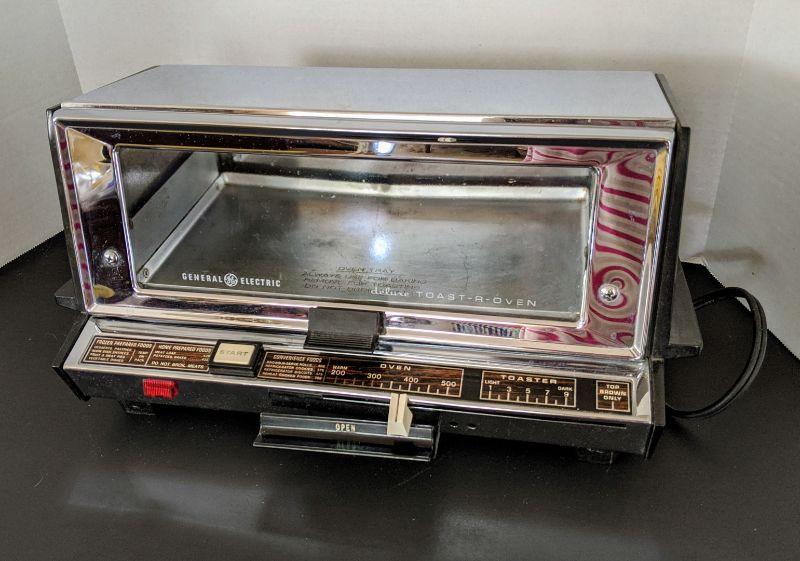
Repair the Toaster Oven When the Problem Is Minor
Repair may make sense when the toaster oven is otherwise clean, sturdy, and useful. A repair is less attractive when the unit has several faults, severe corrosion, a damaged case, or a failed control board that costs nearly as much as a replacement.
Safe first steps include:
- Unplug the toaster oven.
- Check whether the outlet works with another appliance.
- Inspect the plug and cord without touching exposed wire.
- Clean crumbs from the removable tray and interior.
- Read the model’s manual or support page.
- Check whether the manufacturer offers replacement trays, racks, knobs, or fuses.
- Ask a qualified appliance technician for a repair estimate.
Some parts are simple to replace only when the manufacturer permits replacement. A missing crumb tray, rack, knob, or door handle may be available as a documented spare part.
Do not bypass a fuse, tape over damaged insulation, defeat a door switch, or install an unapproved heating element. Those shortcuts can increase the risk of fire or electric shock.
When professional repair is the better choice
Use a qualified repair service if the toaster oven has an electrical fault, damaged internal wiring, a failed thermostat, or a problem with the control board. A technician can inspect the appliance without relying on guesswork.
Repair is most reasonable when:
- The appliance is a higher-quality or built-in model
- Replacement parts are still available
- The body and door are in good condition
- The estimated repair cost is clearly below replacement cost
- You want to reduce appliance waste
For a low-cost countertop unit with major electrical damage, recycling is often the safer and simpler option.

Donate or Sell It if It Is Clean and Reliable
A working toaster oven can be donated or sold, but it should be safe, clean, complete, and honest to describe. Do not pass along an appliance that you would not feel comfortable using yourself.
Before giving it away:
- Remove crumbs and grease.
- Wash the tray and rack.
- Check that the controls work.
- Confirm that the door closes correctly.
- Inspect the cord and plug.
- Include the manual if you have it.
- Mention any cosmetic damage.
- State whether all heating modes work.
Possible recipients include:
- Local thrift stores
- Community centers
- Buy Nothing groups
- Freecycle groups
- College housing groups
- Mutual-aid organizations
- Habitat for Humanity ReStore locations, if the local store accepts the item
- Friends, neighbors, or family members
Call before donating. Many charities accept only appliances that meet their condition and safety rules. Some will not accept countertop cooking appliances because they cannot test, store, or resell them.
Do not donate a recalled, damaged, smoky, sparking, or unreliable toaster oven. A donation is not a safe disposal method for a defective appliance.

Recycle an Old Toaster Oven Through a Local Program
Recycling is usually the right choice for a toaster oven that no longer works or is unsafe to use. A toaster oven contains recoverable metal, electronic parts, glass, wiring, and other materials. It should be handled through a program that accepts small appliances or electronics.
Start with these options:
-
Your city or county solid-waste department
Search the official government website for “small appliance recycling,” “electronics recycling,” or “household hazardous waste.” Rules vary by location. -
A household hazardous waste or e-waste collection event
Some local governments accept small electrical appliances during scheduled events. -
A licensed appliance or scrap-metal recycler
Ask whether the facility accepts toaster ovens and whether it has preparation rules. -
The manufacturer or retailer
Some brands and retailers offer take-back programs. Acceptance, fees, and item limits can change, so confirm before traveling. -
A recycling locator
Earth911 can help identify nearby recycling options. Verify the facility’s current rules directly.
Do not assume that curbside recycling accepts a toaster oven. Most residential recycling carts are designed for household packaging, such as cans, bottles, paper, and cardboard. A small appliance can damage sorting equipment or be rejected at the recycling facility.
How to prepare it for recycling
Before taking the toaster oven to a recycler:
- Unplug it and let it cool.
- Remove loose crumbs.
- Remove the rack and crumb tray unless the program says to leave them in place.
- Keep glass doors and metal parts attached unless the facility gives different instructions.
- Do not dismantle the appliance at home.
- Place it in a box or secure it in your vehicle so it cannot slide around.
- Ask whether the recycler charges a fee.
If the cord is damaged, do not cut it off unless the recycling facility specifically instructs you to do so. Some programs want the appliance intact.

Use This Disposal Decision Guide
The table below matches the toaster oven’s condition with the most practical next step.
| Toaster oven condition | Best option | Why |
|---|---|---|
| Works normally and is clean | Keep using it | Extends its useful life |
| Works, but you no longer need it | Donate or sell it | Keeps a usable appliance in service |
| Needs a tray, rack, knob, or other minor part | Check repair options | A small part may restore safe use |
| Has a damaged cord, plug, door, or control | Professional inspection or recycling | Electrical and heat risks may be present |
| Sparks, smokes, or overheats | Stop using it and recycle it | Continued use may create a fire hazard |
| Recalled | Follow the recall notice | The manufacturer or agency may require a specific remedy |
| Severely rusty, broken, or contaminated | Recycle it | Donation is not appropriate |
| Curbside program specifically accepts it | Follow local instructions | Rules differ by community |
| Curbside program does not list small appliances | Take it to an approved facility | Avoid contamination and collection problems |
The deciding factor is not the toaster oven’s age alone. A ten-year-old oven that works safely may be more useful than a newer oven with a damaged cord or faulty controls.

Avoid These Common Mistakes
Several disposal habits can create problems for people, waste workers, and recycling facilities.
Do not put it in the recycling cart without checking
A toaster oven is not automatically accepted in curbside recycling. The correct route depends on your city, county, hauler, and local processing facility.
Do not put a broken toaster oven out as scrap metal without asking
Some scrap-metal yards accept small appliances. Others do not accept appliances with electrical parts, glass, or mixed materials. Confirm the policy first.
Do not leave it beside a dumpster
An abandoned appliance can become a hazard, attract illegal dumping, or be taken by someone who does not know it is unsafe. Use an approved collection route instead.
Do not burn or dismantle it
Burning insulation, plastic, or painted parts can release harmful fumes. Cutting into the housing can expose sharp metal and electrical components.
Do not give away a faulty appliance
A toaster oven that trips a breaker, sparks, smells hot, or heats unpredictably should not be passed to another household.
Do not use it as a storage box while plugged in
Items placed inside or on top of a toaster oven can ignite when the appliance is turned on. Keep the oven empty during operation unless the manual allows a specific cooking vessel.

What to Do With Specific Toaster Oven Parts
Most people should recycle the complete toaster oven rather than take it apart. Still, some parts may have a separate reuse or disposal path.
- Crumb tray: Reuse it with the appliance or ask the manufacturer about a replacement.
- Wire rack: Keep it as a replacement part if it fits another oven. Do not assume racks are interchangeable.
- Glass door: Leave it attached unless the recycler gives other instructions. Heat-resistant appliance glass may not belong in glass bottle recycling.
- Power cord: Keep it attached unless the recycling program asks for removal.
- Metal housing: A scrap-metal facility may accept it, but confirm first.
- Electronic controls: Treat them as part of the appliance or accepted e-waste.
- Heating elements: Do not handle or test damaged elements. Let the recycler manage them.
Do not place appliance glass, heating elements, or circuit boards in a standard glass or packaging recycling bin. These materials have different handling requirements.
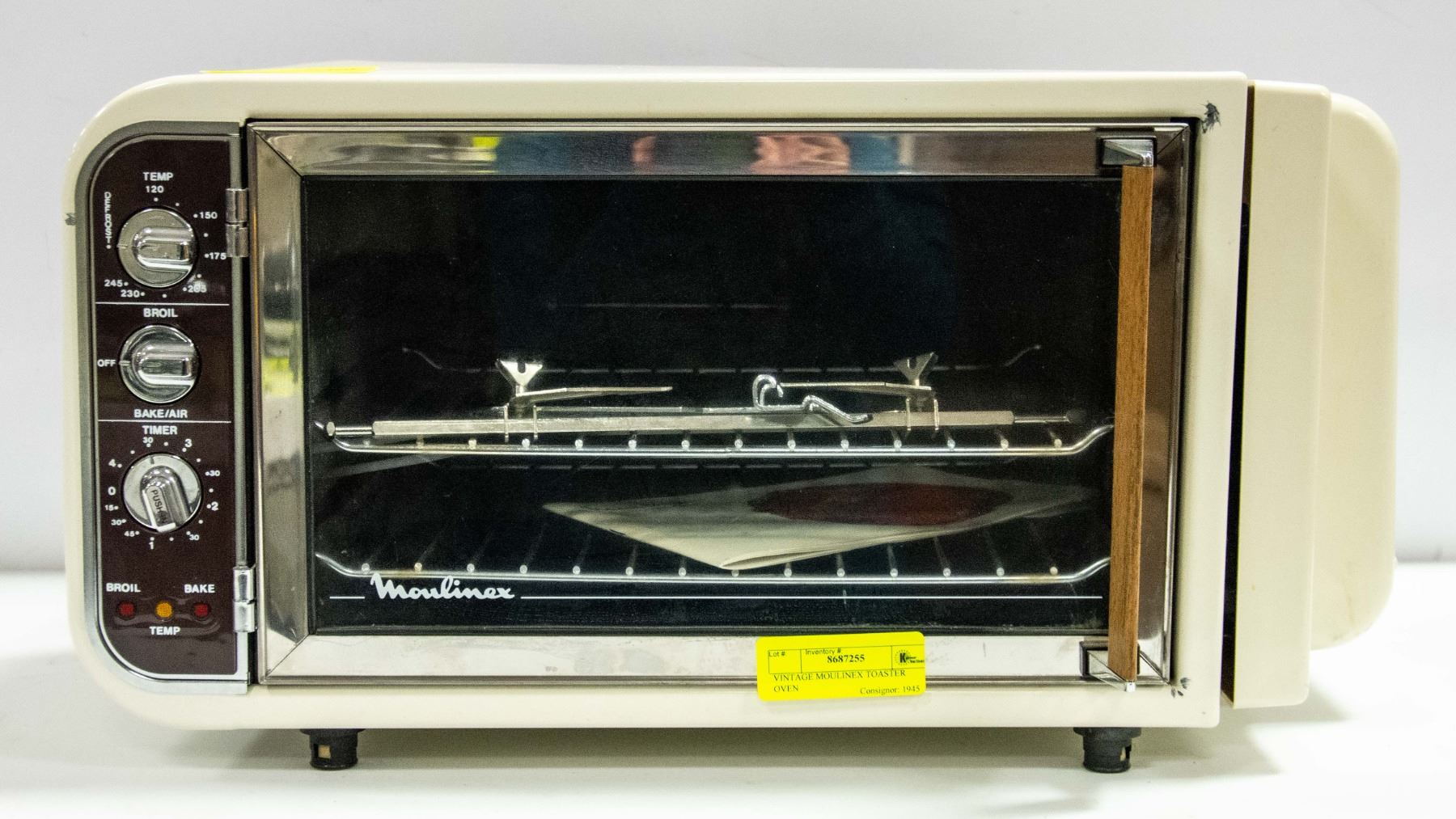
How Much Does Toaster Oven Disposal Cost?
The cost depends on your location and the disposal route. Some city programs and recycling events accept small appliances for free. Other facilities charge a handling fee, especially when they must sort mixed materials or manage electronics.
Before you go, ask:
- Does the facility accept countertop toaster ovens?
- Is there a fee?
- Do residents need proof of address?
- Are there limits on the number of appliances?
- Does the facility accept units with glass doors?
- Must the cord remain attached?
- Does the program offer pickup?
A free option is not always the best option if it requires leaving the appliance at an unapproved site. A verified local recycler gives you a clearer and safer outcome.
Frequently Asked Questions
Can I put an old toaster oven in the garbage?
Local rules differ, but a toaster oven should not automatically go in household trash. Check with your city or county solid-waste department first. Recycling or a small-appliance drop-off site is often the better choice.
Can I put a toaster oven in curbside recycling?
Usually, no. Most curbside programs do not accept small appliances in recycling carts. Check your local program’s accepted-materials list before placing it at the curb.
Does Best Buy recycle toaster ovens?
Best Buy’s recycling services vary by product type, store, location, fees, and current program rules. Check the retailer’s official recycling page or call the specific store before bringing a toaster oven.
Should I donate a toaster oven that still works but has rust?
Light surface rust on the outer case may be cosmetic, but rust near the heating elements, door, interior, or electrical parts can make the appliance unsafe. If the rust affects cooking surfaces or operation, do not donate it. Ask a repair professional or recycler for the next step.
Can I recycle the toaster oven’s glass door with bottles?
No. Appliance glass is made for heat and may have different properties from container glass. Keep it with the toaster oven unless your local recycling facility gives separate instructions.
What should I do with a toaster oven that sparks?
Stop using it, unplug it if you can do so safely, and let it cool. Do not test it again or give it away. Contact a qualified appliance repair service or a local recycler that accepts small electrical appliances.
Final Recommendation
Use the toaster oven again if it is clean and operates normally. Donate or sell it only when it is safe, complete, and honestly described. If it has a dangerous fault, serious damage, or no practical repair, take it to a verified local appliance or electronics recycling program instead of putting it in an unapproved bin.
The next step is simple: find the brand and model number, check for a recall, and contact your city or county waste department for the correct disposal route.