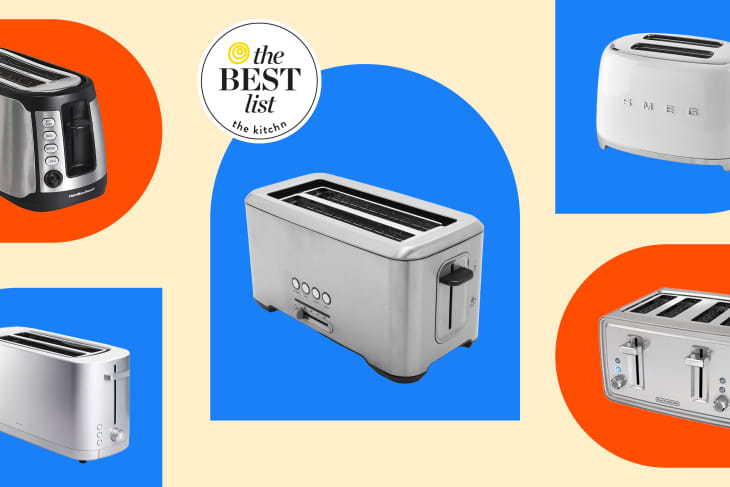
The best toaster for most U.S. homes is a four-slice toaster with wide slots, separate controls, a removable crumb tray, a cancel button, and automatic shutoff. Choose a two-slice model if you have limited counter space or usually toast for one person. Choose a toaster oven only if you also want to bake, broil, or reheat food.
The right choice depends on five things:
- How many people toast at once
- Whether you use bagels, frozen bread, or thick slices
- How much counter space you have
- Whether you value speed, even browning, or extra functions
- How easy the toaster is to clean and use safely
This guide explains which type to buy, which features matter, which features are often overvalued, and how to compare models without relying on marketing claims.
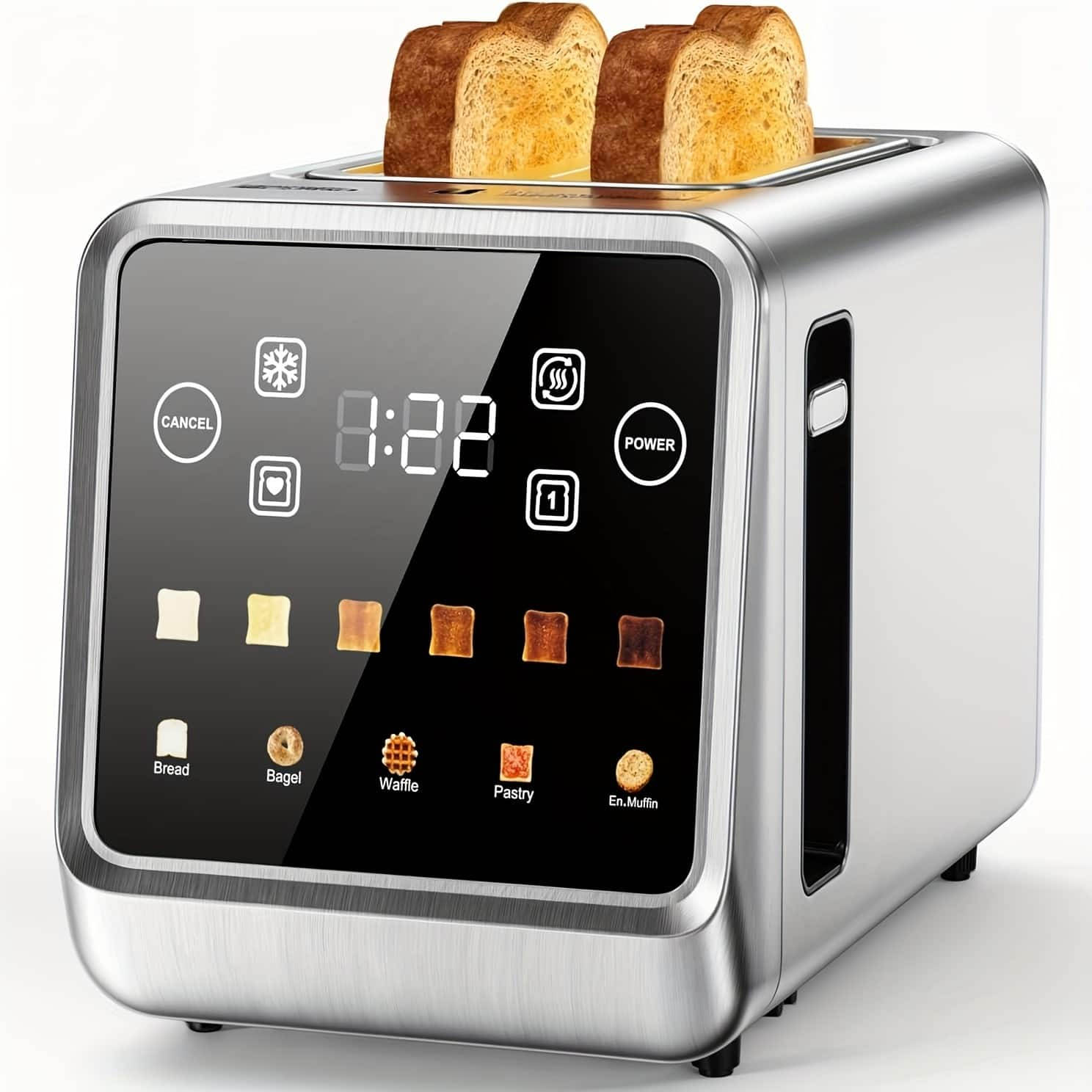
Quick Answer: Which Toaster Is Best for You?
Use this table to narrow your choice before you shop.
| Your situation | Best toaster type | Features to seek |
|---|---|---|
| One person or small kitchen | Two-slice toaster | Compact body, wide slots, removable crumb tray |
| Family or shared kitchen | Four-slice toaster | Independent controls, two shade settings, high lift |
| You eat bagels often | Four-slice bagel toaster | Bagel mode, wide slots, clear side markings |
| You keep bread in the freezer | Two- or four-slice toaster | Frozen or defrost setting |
| You toast thick bread | Wide-slot toaster | Slots at least 1.25 inches wide |
| You want to cook more than toast | Toaster oven | Temperature control, timer, rack space |
| You want simple controls | Basic pop-up toaster | Shade dial, cancel button, easy cleaning |
| You care about long service life | Repairable or well-supported model | Strong warranty, replaceable parts where available |
For most buyers, a four-slice wide-slot toaster with independent controls offers the best balance. It gives you room for different bread types and lets two people choose different browning levels.
Do not buy a large toaster just because it has more buttons. Buy the smallest type that fits your daily routine.
Two-Slice or Four-Slice Toaster?
Choose a two-slice toaster when space, price, and simple use matter most. Choose a four-slice toaster when two people often eat toast at the same time.
Two-slice toasters
a two-slice toaster is a good fit for:
- One person
- Small apartments
- Dorm rooms
- A second kitchen or office
- People who rarely toast more than two slices
Two-slice models usually take less counter space. They may also cost less. Their main limit is speed when several people need toast.
Four-slice toasters
A four-slice toaster works better for:
- Families
- Couples with different toast preferences
- Busy mornings
- Large kitchens
- People who toast bread and bagels at the same time
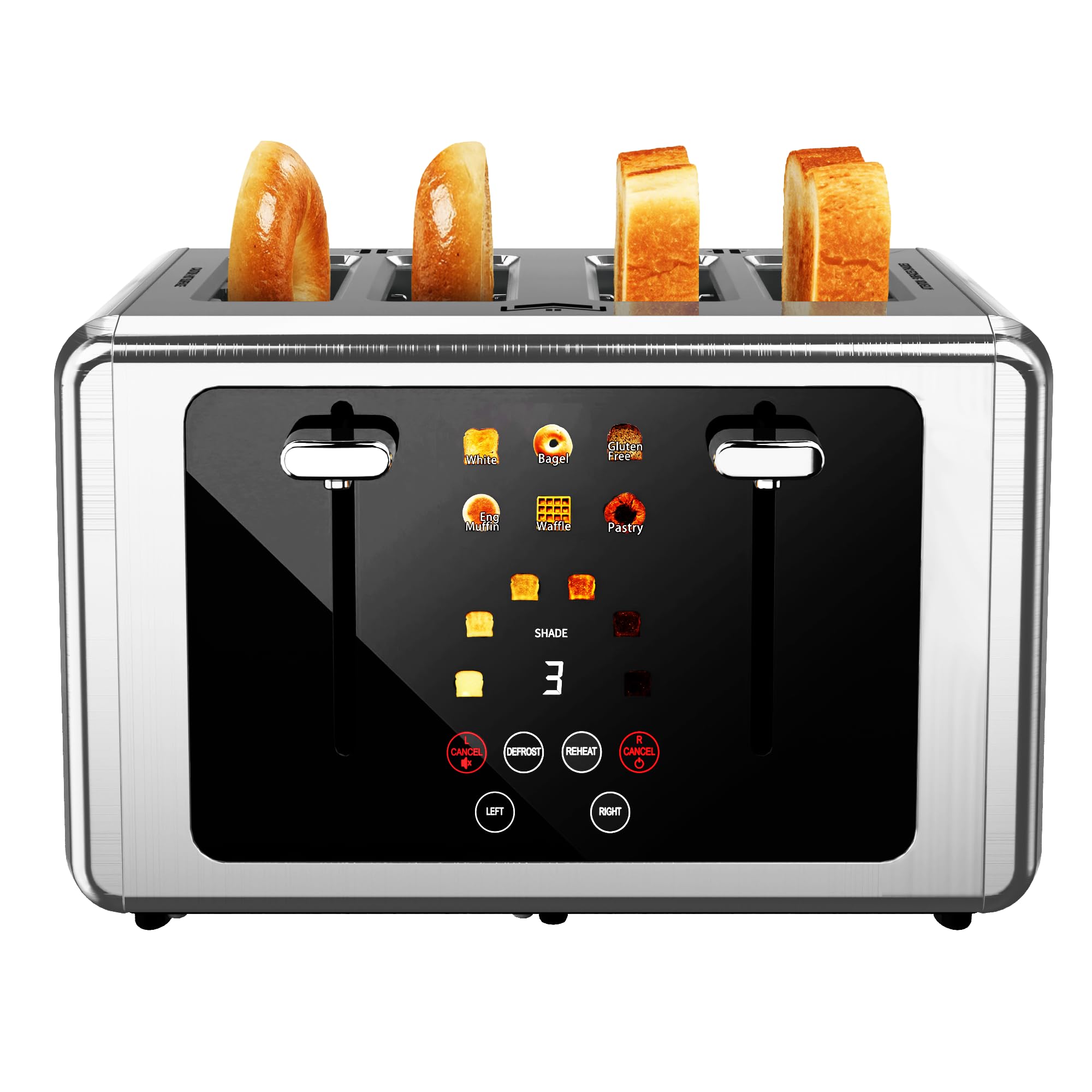
Look for independent controls. This means each pair of slots can use a different shade setting. Without this feature, all four slots may run at the same setting.
A four-slice toaster also takes more space and may use more power during a cycle. Measure your counter before you buy. Include room above the toaster for the bread lever and room around the body for safe use.
Long-slot toasters
A long-slot toaster may hold two large slices in each slot. This design can suit:
- Artisan bread
- Long sandwich bread
- Homemade bread
- Slices that do not fit well in standard slots
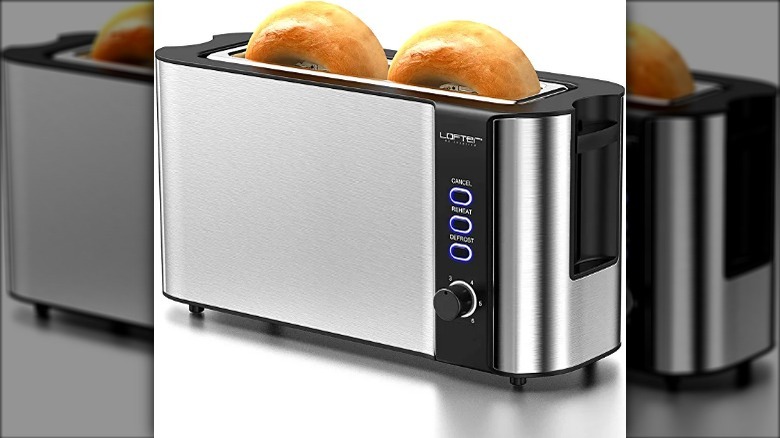
Long slots are not always the same as wide slots. Check both measurements if you often toast thick bread.

Which Toaster Features Matter Most?
The most useful features are wide slots, even heating, independent controls, a high-lift lever, a cancel button, and easy crumb removal. Extra functions matter only when they match your habits.
Wide slots
Standard bread often fits in regular toaster slots. Thick bread, Texas toast, English muffins, and bagels need more room.
A slot around 1.25 inches wide is a useful starting point for thick bread. Some models list a wider opening, but the usable space may be smaller because of the inner guides.
Check the product manual or manufacturer specifications. Do not rely only on phrases such as “extra wide.”
Shade control
A shade dial changes how long the toaster heats the bread. It does not always create the same result across bread types.
A high setting may burn thin white bread but leave dense bread less crisp inside. Bread moisture, thickness, sugar, and starting temperature all affect browning.
A useful toaster should offer:
- Clear shade markings
- A setting that stays consistent from cycle to cycle
- A cancel button for quick stopping
- A lever that raises small items safely
Independent controls
Independent controls are especially useful on a four-slice toaster. One person can choose light toast while another chooses dark toast.
This feature may also help when you toast different foods. For example, you can use a lower setting for thin bread and a higher setting for a thick bagel.
Bagel mode
Bagel mode usually heats the cut side more than the outer side. It may also reduce heat on the outside of the bagel.
This setting can work well for bagels, English muffins, and some thick buns. It is not a guarantee of perfect results. Place the cut side toward the center of the toaster when the manual gives that instruction.
Never force a large bagel into a slot. If it does not fit freely, use a toaster oven or another method.
Frozen or defrost mode
A frozen setting usually adds time so the toaster can thaw and toast bread in one cycle. It can be useful if you store bread in the freezer.
The result may vary by bread size and moisture. A frozen slice may need a second short cycle. Watch the first few uses rather than assuming the numbered shade setting will behave like a fresh slice.
High-lift lever
A high-lift lever raises the bread above the slot. This helps you remove:
- English muffins
- Small slices
- Crumpets
- Thick bread
- Toast that sits low after the cycle
This is a small feature, but it improves safety. It reduces the urge to reach into a hot toaster.
Removable crumb tray
A removable crumb tray makes cleaning easier. It does not remove the need to turn the toaster upside down occasionally, if the manual allows it.
Avoid shaking a toaster over a sink while it is plugged in. Unplug it first and follow the care instructions.
Automatic shutoff
Many pop-up toasters stop heating after the cycle ends. This helps limit the risk of continued heating if bread sticks or the mechanism fails.
Automatic shutoff is not a substitute for supervision. The U.S. Consumer Product Safety Commission advises consumers to use appliances safely and respond to fire risks. Follow the toaster manual and keep combustible items away from the appliance.
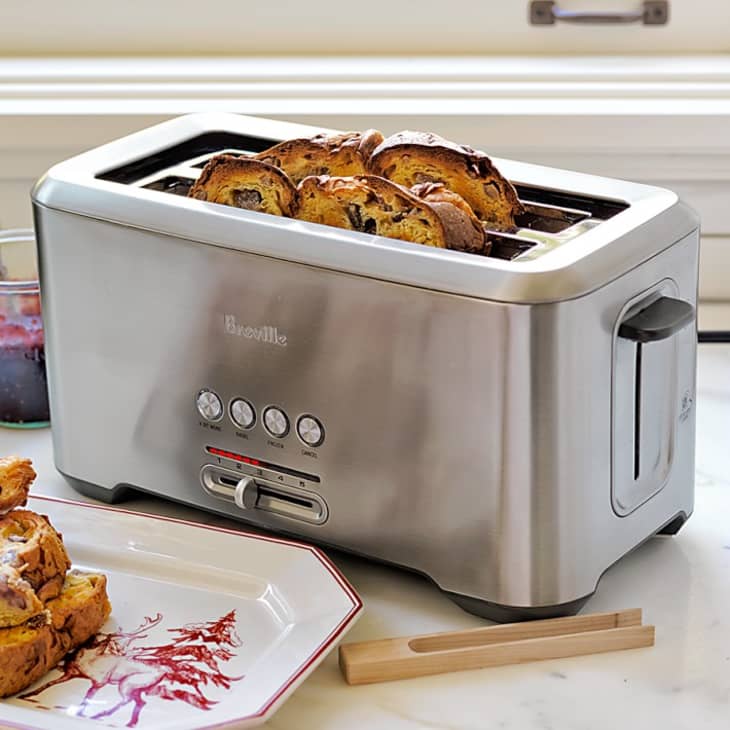
How Wide Should Toaster Slots Be?
Choose slot width based on the bread you eat, not on the number of shade settings.
Use standard slots for ordinary bread
Standard slots are usually enough for:
- Sandwich bread
- Thin sourdough
- Regular rye bread
- Frozen slices of normal thickness
They are often the best value if you rarely buy thick bread.
Choose wide slots for thick foods
Wide slots are better for:
- Bagels
- Texas toast
- Thick sourdough
- English muffins
- Homemade bread
- Thick waffles that are approved for toaster use
A wide slot does not guarantee even browning. The bread guides must hold the food near the heating elements without squeezing it.
Check the usable slot depth
A deep slot can make tall bread easier to toast. However, very deep slots may make small items harder to remove.
A high-lift lever solves much of this problem. If you often toast small pieces, treat high lift as a core feature rather than a luxury.
Toaster or Toaster Oven: Which Should You Buy?
Buy a pop-up toaster for fast, simple toast. Buy a toaster oven when you want a small countertop oven that can perform several cooking tasks.
Choose a pop-up toaster if you mainly want toast
A pop-up toaster is usually best for:
- Toasting bread quickly
- Making bagels
- Preparing English muffins
- Using little counter space
- Keeping controls simple
A pop-up toaster is not designed to cook food in containers or handle foods that may drip. Use only foods and accessories approved by the manufacturer.
Choose a toaster oven if you need more functions
A toaster oven may be better for:
- Reheating pizza
- Baking small portions
- Broiling
- Melting cheese
- Cooking open-faced sandwiches
- Heating food that does not fit in a pop-up toaster
The trade-off is size. A toaster oven takes more counter space and may take longer to heat. It also needs more care because food, grease, and crumbs can collect inside.
Do not treat a toaster oven as a direct replacement for a pop-up toaster unless you are comfortable with its slower, more flexible operation.
Do not confuse air fryers with toasters
An air fryer uses strong air circulation to cook food. It may toast some items, but it does not always produce the same result as a pop-up toaster.
Choose an air fryer for crisp cooking and reheating. Choose a toaster for quick slices of bread. Choose a toaster oven if you want both toast and small-oven tasks.
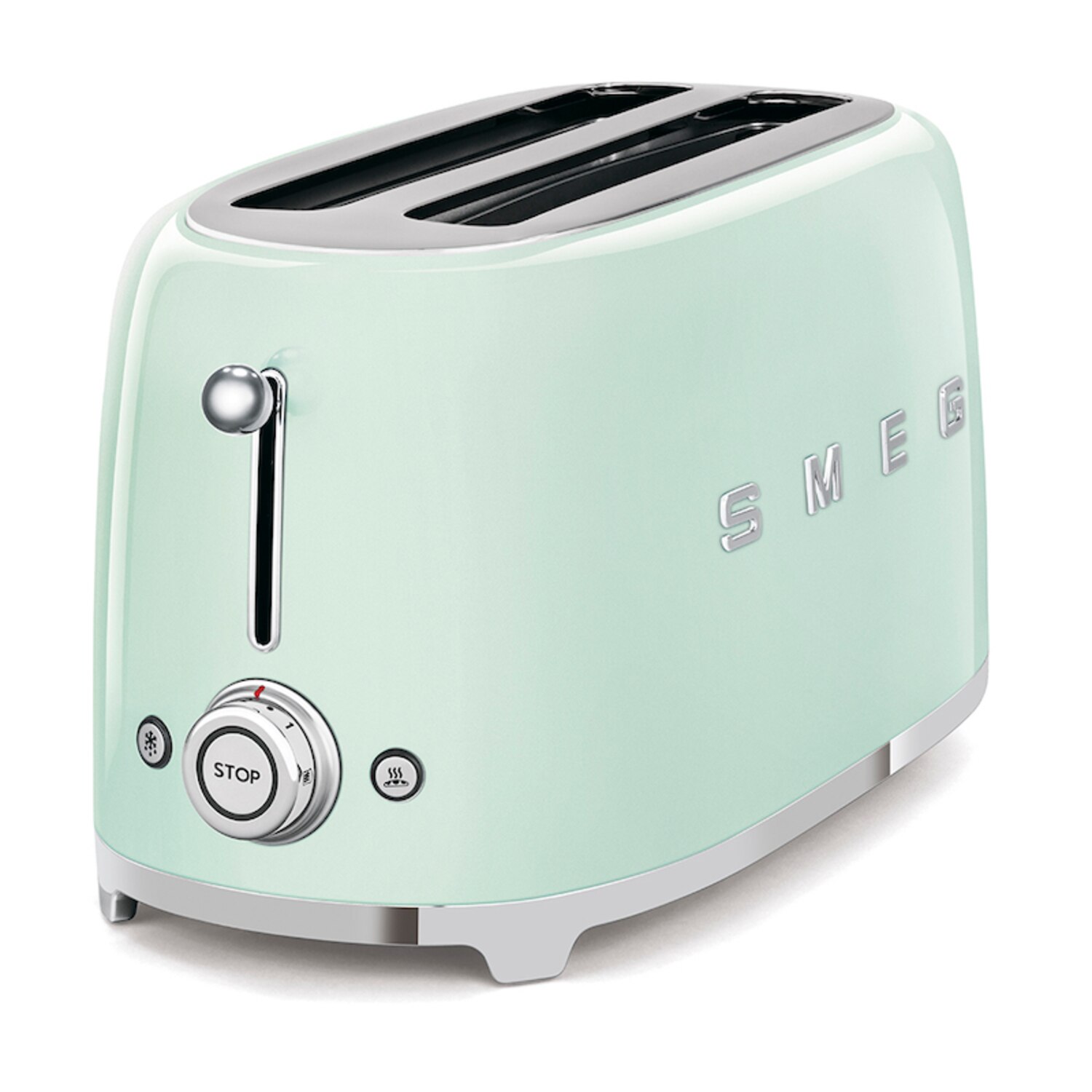
What Size Toaster Should You Buy?
Measure the space before you buy. A toaster needs more than the footprint listed on the box.
Measure:
- The available counter width
- The depth from the wall to the counter edge
- The height below cabinets
- The space around the toaster
- The path needed to remove the crumb tray
Do not place a toaster directly under a low cabinet if the manual warns against it. Heat and steam may damage the cabinet or create a fire risk.
A four-slice toaster may be wide enough to block part of a kitchen work area. A long-slot toaster may be narrow but deep. Compare the full dimensions, not only the number of slots.
Also check cord length and cord placement. A short cord may limit where you can safely place the appliance. Do not use an extension cord unless the manufacturer permits it and the cord is rated for the appliance.

How Much Should You Spend on a Toaster?
Price alone does not show how well a toaster will perform. Spend more when a specific feature solves a real problem.
A basic toaster can be enough when:
- You use ordinary sandwich bread
- You toast only a few times each week
- You do not need bagel or frozen settings
- You want the lowest cost
- You can accept more variation between cycles
A mid-range toaster may make sense when:
- You toast every day
- Two people use different shade settings
- You need wide slots
- You want better controls and easier cleaning
- You want a longer warranty
A premium toaster is worth considering only when:
- It offers a feature you will use often
- Its design fits your bread types
- The warranty and support are clear
- You have checked independent performance evidence
- You are comfortable paying for design or materials
Do not pay more simply for a large number of browning levels. Ten settings do not mean ten useful levels. A toaster with six clear, repeatable settings may be easier to use.
Prices and model availability change in the U.S. Compare the current price, warranty, return policy, and replacement options before buying.
What Toaster Should You Buy for Common Bread Types?
Your bread choice should guide the toaster design.
| Food | Useful feature | Main caution |
|---|---|---|
| Sandwich bread | Standard slots and shade control | Thin bread can brown quickly |
| Bagels | Bagel mode and wide slots | Place the cut side correctly |
| English muffins | Wide slots and high lift | Small pieces may sit low |
| Thick sourdough | Wide or long slots | Check slot depth and width |
| Frozen bread | Frozen setting | The first cycle may need adjustment |
| Homemade bread | Long or wide slots | Uneven shapes may brown unevenly |
| Waffles | Follow package and toaster instructions | Some foods are not safe for pop-up toasters |
Foods with sugar, icing, cheese, oil, or fillings can burn or drip. Read the food package and toaster manual before using them.
Do not toast foods wrapped in plastic, paper packaging, or foil unless the manufacturer specifically says that use is safe.

How to Compare Toaster Models Before Buying
Use the same checklist for every model. This prevents a bright display or long feature list from hiding a poor fit.
Check the design
Look for:
- Two or four slots
- Standard, wide, or long slots
- Independent controls
- High-lift lever
- Stable feet
- Cool-touch areas where documented
- Cord storage or a practical cord path
Check the controls
Look for:
- Shade dial or buttons
- Cancel function
- Bagel mode if needed
- Frozen mode if needed
- Clear labels
- Controls that are easy to reach
Check cleaning and care
Look for:
- Removable crumb tray
- Smooth surfaces
- Instructions for removing stuck crumbs
- Clear limits on cleaning liquids
- A manual that explains safe care
Never immerse a toaster in water. Unplug it and let it cool before cleaning.
Check safety and support
Look for:
- A recognized safety certification mark, such as UL or ETL, where applicable
- A clear U.S. warranty
- A manufacturer support page
- A recall-check process
- Replacement information for trays or other parts
A safety mark is evidence that the product was evaluated against a relevant standard. It does not prove that the toaster will brown every type of bread evenly.
The CPSC provides recall information for consumer products. Check the exact model number, not only the brand name.
Common Toaster Buying Mistakes
The most common mistake is buying for appearance rather than daily use.
Buying a four-slice toaster without measuring
A large toaster can crowd a small counter. Measure first.
Choosing narrow slots for thick bread
If you eat bagels or thick sourdough, narrow slots can cause poor results or stuck food.
Assuming a higher price means better toast
Price may reflect finish, controls, or brand position. It does not automatically prove even browning or longer life.
Ignoring the crumb tray
A toaster that is hard to clean may collect crumbs and become unpleasant to use. A removable tray is a practical feature.
Using metal tools to remove stuck food
Never insert a knife, fork, or other metal object into a plugged-in toaster. Unplug the toaster, let it cool, and follow the manual.
If food remains stuck or the toaster smells of burning plastic, sparks, or repeatedly trips a circuit, stop using it. Do not try to repair internal wiring unless you are qualified to do so.
Toasting unsuitable foods
Foods with wet fillings, loose toppings, or coatings may drip, smoke, or catch fire. Use the appliance only for foods approved by its instructions.
A Simple Toaster Buying Checklist
Before you place an order, confirm these points:
- I know whether I need two or four slices.
- The toaster fits my counter.
- The slots fit the bread I eat.
- I checked the full dimensions.
- The controls are easy to understand.
- I can remove crumbs without difficulty.
- A high-lift lever is included if I toast small foods.
- Bagel or frozen mode is included only if I need it.
- The warranty applies in the United States.
- The seller has a clear return policy.
- The product has a recognized safety certification where applicable.
- I checked current recalls for the exact model.
The best default choice
For most U.S. households, buy a four-slice, wide-slot toaster with independent controls, a removable crumb tray, a high-lift lever, cancel, bagel, and frozen settings.
For a small kitchen or one-person home, buy a two-slice wide-slot toaster with the same basic safety and cleaning features.
Choose a toaster oven instead when toast is only one of several jobs you need the appliance to perform.
Frequently Asked Questions
Is a two-slice or four-slice toaster better?
Neither is always better. A two-slice toaster saves space and suits one person. A four-slice toaster saves time for families and lets users choose different settings when it has independent controls.
Are expensive toasters worth the money?
They can be worth it when they provide useful features, better controls, a stronger warranty, or a design that fits your bread. A high price alone does not prove better browning or longer service life.
What is the best toaster for bagels?
Choose a toaster with wide slots, a bagel setting, and clear instructions for positioning the bagel. If your bagels do not fit freely, use a toaster oven instead of forcing them into the slots.
How many watts should a toaster have?
Do not choose by wattage alone. Wattage affects the electrical load and may affect heating speed, but it does not prove even browning. Compare the manufacturer’s specifications, plug requirements, warranty, and independent performance evidence when available.
Can I put frozen bread in a toaster?
Many toasters include a frozen or defrost setting for this purpose. Use the setting described in the manual and watch the first cycle. Do not put bread in the toaster while it is wrapped in plastic or packaging.
How often should I clean a toaster?
Empty the crumb tray often, especially if you use the toaster daily. Unplug and cool the toaster before cleaning. Follow the manual, and stop using the appliance if it produces sparks, smoke, or a strong burning smell.
Conclusion
The best toaster is the one that matches your bread, counter space, and daily routine. For most homes, a four-slice wide-slot model with independent controls is the strongest all-purpose choice. For small spaces, a two-slice model offers the same basic function with a smaller footprint.
Before buying, measure your counter, check the slot size, confirm the controls you will use, and review the warranty and safety information. A simple model that fits your needs is usually a better choice than a larger model filled with features you will never use.